Every June and December, car owners are faced with the task of paying their car tax. In particular, you may want to verify that you haven't missed the first installment of the car tax due in June, or confirm that your payment has been processed through an annual prepayment application. It is important to understand the correct verification procedures to avoid missing deadlines due to a busy daily schedule during the summer heat, or to prevent confusion such as double payments. In this article, we will explain how to easily and quickly check your car tax payment history, along with important considerations for tax management in various situations.
Real-time Payment Inquiry Using Wetax

The most official and accurate method is to use 'Wetax,' operated by the Ministry of the Interior and Safety. Wetax is a platform that provides integrated local tax payment and inquiry services nationwide. As long as you have a digital certificate or simple authentication, you can check your payment history anytime, anywhere. Many people lose their tax bills or are late in checking their mail, but accessing Wetax can resolve these inconveniences at once.
After logging into the Wetax website or app and navigating to the 'Payment Results' menu, you can view detailed records of all local taxes you have paid by period, not just car tax. One thing to note is the data reflection time. If you paid through a bank counter or ATM, there may be a time lag of 1 to 2 days, or sometimes several days, as information is transmitted from the financial institution to the local government. Therefore, do not panic if it is not confirmed immediately after payment; it is recommended to check again after about 3 days. Additionally, Wetax allows you to check payment history for the past 5 years, which is very useful for systematically managing your records. If you own multiple vehicles, you can see the tax amount and payment status for each vehicle separately, which helps prevent tax omissions.
If the tax amount is higher than expected during the verification process, you should re-check the reduction rate based on the vehicle's model year or your vehicle's engine displacement (cc). The vehicle age reduction system lowers the tax amount as the vehicle gets older, so simply checking if your vehicle qualifies can increase the efficiency of your tax management.
Simple Verification Scenarios via Smartphone Apps
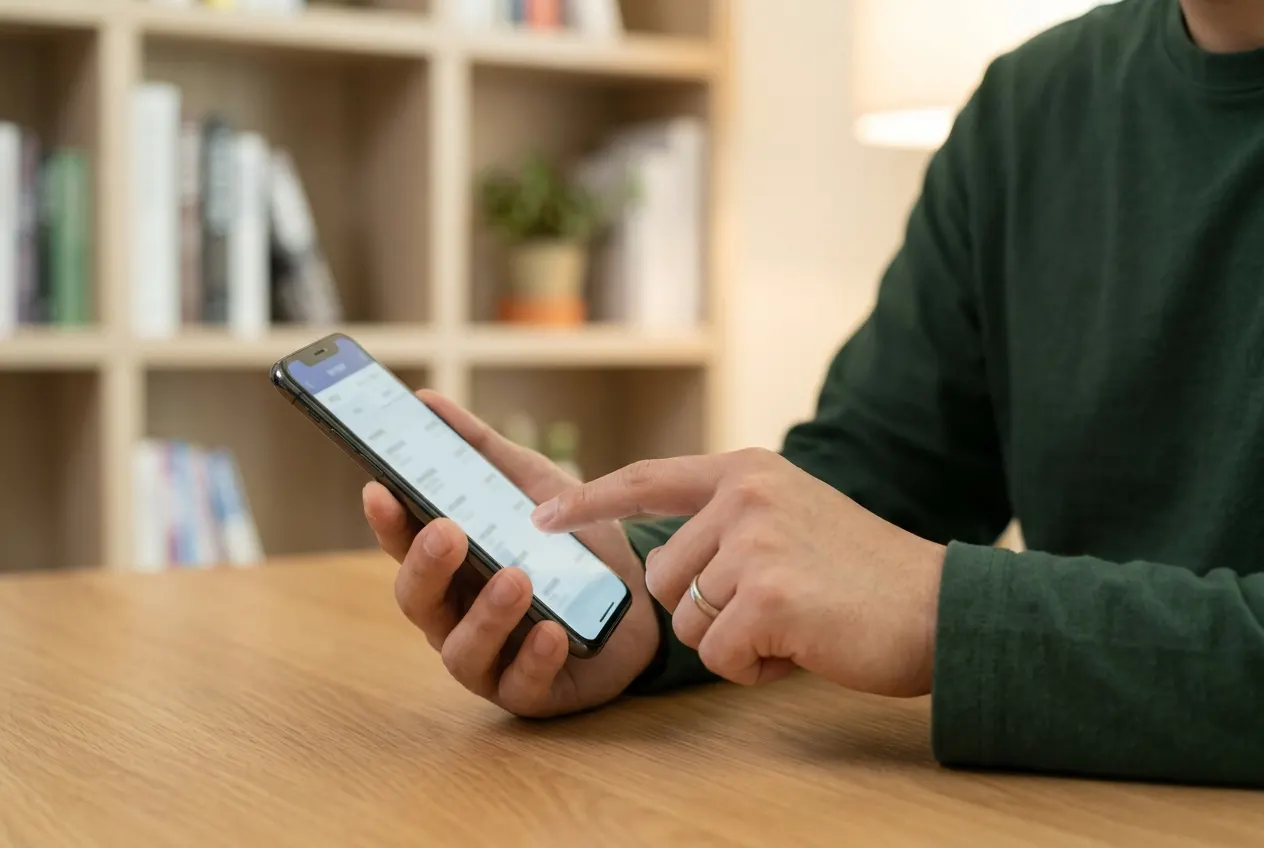
For modern people, the smartphone is the most accessible financial tool. By installing the 'Smart Wetax' app, you can check your payment history on the go without turning on your PC. Recently, more people are applying for electronic notices and managing payment history through private platforms such as KakaoTalk, Naver, and Payco. If you have linked your car tax electronic notice to your preferred simple payment service, you can immediately view the payment completion status in the 'Payment History' tab within that app. This is a highly efficient way to reduce paper waste and prevent missed payments.
When using apps, security precautions are necessary. Ensure that security patches are installed on your device and it is advisable to use your personal data network rather than public Wi-Fi in places like cafes or airports to prevent information leakage. Additionally, setting up biometric authentication allows you to check your payment status safely and quickly without the hassle of entering a password every time. Turning on notification settings allows you to receive push notifications a few days before the deadline, which can fundamentally prevent the occurrence of late fees.
Problems and Countermeasures for Unpaid Car Tax
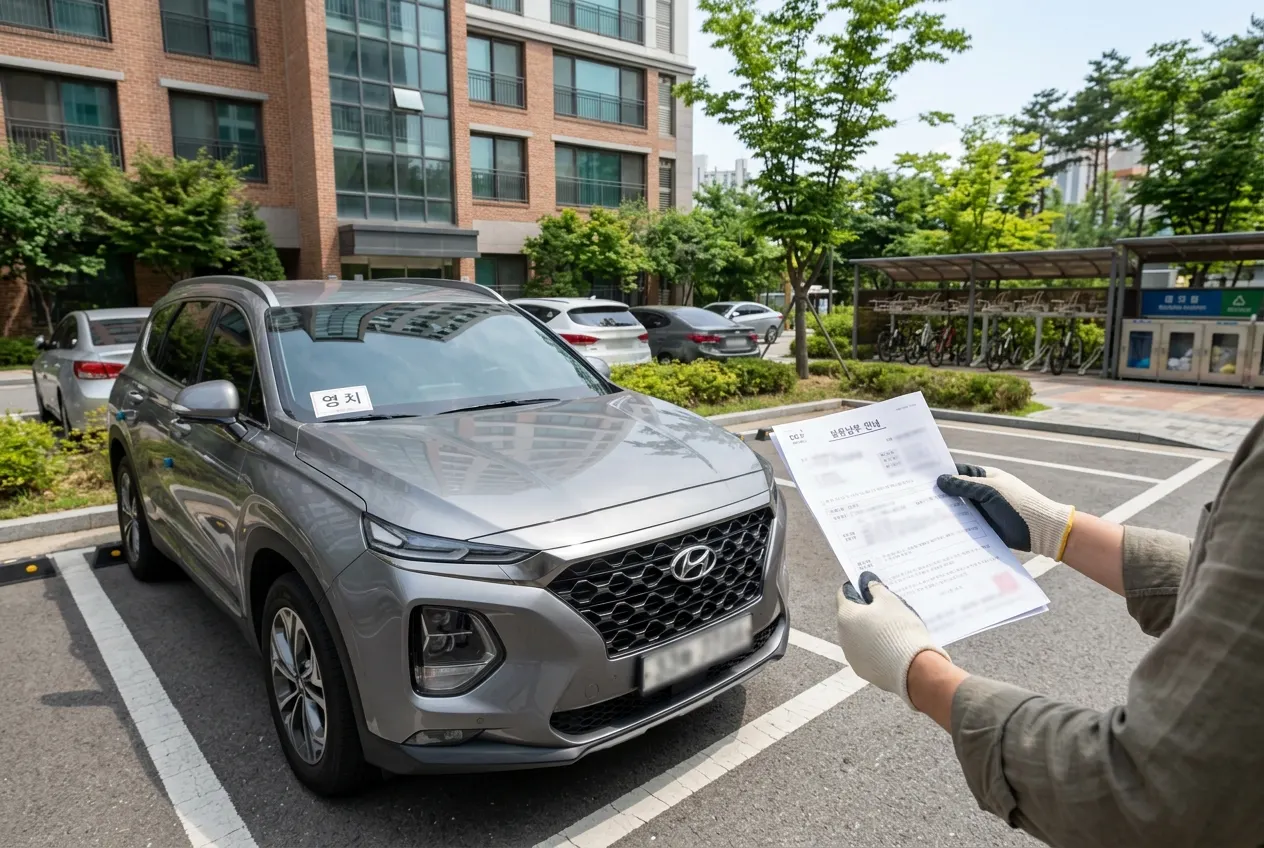
If your check reveals an unpaid status, you should take immediate action. According to the Local Tax Act, late fees are incurred if the car tax exceeds the specified deadline. As the period of delinquency increases, late fees accumulate, and in severe cases, it can lead to forced enforcement procedures such as license plate impoundment or asset seizure. While short-term delays of a few days may result in small or negligible late fees, it is wise to pay immediately upon discovery, as delayed payment itself can lead to disadvantages during future vehicle inspections or sales.
If you confirm that you have unpaid taxes, simply click the 'Pay' button on the Wetax app or website to proceed with the payment. At this time, there are various payment methods available, such as credit cards, bank transfers, and simple payments, so you can choose the most convenient method for you. If you believe you have made a double payment or an overpayment, you can contact the tax department of your local government to apply for a refund. Overpayment refunds are generally deposited into an account in your name, and you can also check for refunds on Wetax. If your license plate has been impounded due to continued delinquency, you must visit the local tax department to pay the full amount and apply for the release of the impoundment to get your license plate back. It is best to check your payment history in advance to avoid such inconveniences.
Furthermore, if delinquency proceedings are underway, local governments operate 'Delinquency Management Units' or 'Collection Teams,' so it is a good idea to consult honestly about your situation and check if installment payments are possible. If a lump-sum payment is burdensome, installment payments may be permitted according to local ordinances, so active communication is more important than simply ignoring the issue.
Checklist for Reviewing Payment History by Situation
There are three main situations where checking your car tax payment history is necessary. First, when trading a used car. When selling or buying a car, it is essential to verify that the previous owner has paid the car tax in full. Buyers must demand a certificate of full payment or check via Wetax to ensure they do not inherit unpaid car taxes. Second, when you are approaching a periodic inspection. Unpaid car tax can cause problems with passing the inspection, so it is a good habit to check before booking your inspection. Third, when you are unsure about your annual prepayment status. If you don't remember if you used the annual prepayment system applied for every January, check your payment history to see if there is an 'Annual Prepayment' entry. Using annual prepayment allows you to receive a discount on a certain percentage of the annual tax, which is a significant economic advantage.
To respond to these situations, it is best to apply for 'Local Tax Electronic Notice' in advance. Paper notices have a high risk of being lost, but electronic notices are sent via KakaoTalk or email, drastically reducing the chance of missing a deadline. Some local governments also offer small tax deduction benefits when applying for electronic notices, so it is worth checking the policies of your local government. Applying for electronic notices allows you to handle everything from receiving the notice to payment in one stop, making it the most recommended tax management method for busy modern people. Even if you missed the January application period, you can apply additionally in March, June, and September, so utilizing the benefits of annual prepayment can reduce the hassle of having to keep track of it every month.
Precautions for Accurate Information Verification
There are many baseless tips on the internet regarding car tax payments. For example, information claiming that 'using a specific card will automatically exempt you' or 'there is a trick to delay the payment period' is mostly untrue or contains specific conditions. It is safest to pay taxes accurately according to the law. Also, it is very dangerous to enter personal or financial information on unverified private sites rather than Wetax. Please ensure you are using the official government domain 'wetax.go.kr'. Be wary of phishing sites or smishing text messages, and if you receive a suspicious text message regarding tax payment, do not click the link; instead, access the official Wetax website directly to verify the information.
Finally, car tax is a tax that is differentially imposed based on the vehicle's engine displacement and model year. If your vehicle is a used car, you need to check if it was calculated pro-rata with the previous owner and compare whether only the tax corresponding to the period you owned the vehicle was paid accurately. Such careful verification ultimately prevents unnecessary financial loss and helps ensure a worry-free driving life. Keeping track of payment deadlines is not only the beginning of fulfilling your tax obligations but also the most certain preventive measure to avoid being caught off guard by sudden delinquency notices. Every June and December, periodically check your tax payment status through Wetax to prevent the occurrence of unnecessary late fees in advance.
Frequently Asked Questions
Can I check immediately if I have paid my car tax?
You can check in real-time through the 'Payment Results' menu after logging into the Wetax website or app. However, it may take 1–3 days after payment at a financial institution due to the time lag in information transmission.
How do I check if I don't remember if I applied for annual prepayment?
You can check your payment history on Wetax. If you have prepaid, it will be recorded that the car tax for that year has been processed normally, and it will be displayed as 'Annual Prepayment' or 'Paid in Full'.
What are the disadvantages of unpaid car tax?
Late fees are charged after the deadline. In the case of long-term delinquency, forced measures such as license plate impoundment or asset seizure may be taken, and problems may also occur during periodic vehicle inspections.
Is it essential to check car tax when trading a used car?
Yes, it is very important. To ensure the buyer does not inherit taxes unpaid by the previous owner, you must check the certificate of full payment or verify delinquency via Wetax before the contract.