Why is the price of Ripple (XRP) so volatile? Many investors check the Ripple price every morning, trying to gauge the direction of the market. To put it simply, the price of Ripple is determined by three massive pillars: technological advancements, the outcomes of legal disputes, and the overall liquidity of the virtual asset market. It is important to look beyond just the charts and understand the environment in which Ripple operates.
Key Factors in Determining Ripple Price: What Moves the Market?

Unlike other virtual assets, Ripple was designed with a clear purpose: to streamline remittances between financial institutions. Therefore, the Ripple price often reacts in a slightly different way than other coins. The first thing to note is the scalability of the international remittance network that Ripple is developing. How many banks around the world adopt Ripple's technology serves as a benchmark for long-term valuation. Ripple provides cross-border payment solutions that are faster and cheaper than the existing SWIFT system, and market expectations are reflected in the price whenever this technology becomes established as actual banking infrastructure.
The second factor is the regulatory environment. In particular, the litigation process with the U.S. Securities and Exchange Commission (SEC) has been the most direct variable affecting the Ripple price over the past few years. The market reacts sensitively to every court ruling because it is directly linked to whether Ripple is considered a security, which determines its future trading convenience within the U.S. market. Investors should watch how the process of resolving these legal risks is priced in. Regulatory clarity is the key to attracting institutional capital, which is directly linked to securing Ripple's long-term liquidity.
The third factor is market sentiment and liquidity flow. Because Ripple is classified as a top-tier asset by market capitalization, it tends to be strongly correlated with the overall upward trend of Bitcoin and Ethereum. Global macroeconomic indicators, especially U.S. interest rate decisions and liquidity supply policies, stimulate investment sentiment across the entire virtual asset market, which is immediately reflected in the price volatility of Ripple.
Checkpoint: Identifying the Reality of Financial Partnerships
The price often fluctuates whenever announcements of financial institutions partnering with Ripple are made. However, one should not just look at whether a partnership has been signed, but also check how actively the institution is using Ripple's ODL (On-Demand Liquidity) service. Actual usage volume is like the lifeblood of the network, and it serves as an indicator that proves Ripple's intrinsic value. Investors should consistently monitor actual transaction volume and network activity through Ripple's quarterly reports.
Analyzing Ripple's Reaction Patterns Based on Market Conditions

When the entire virtual asset market is in a bull run, Ripple often shows signs of 'sector rotation,' gaining momentum later than others. Conversely, during Bitcoin price corrections, it tends to fall more sharply along with other altcoins. The important factor here is 'trading volume.' If the Ripple price surges without accompanying volume, it is highly likely to be the result of temporary intervention by market makers. Trading volume is an indicator of market participation and the most honest metric for judging the sustainability of a price increase.
For example, if trading volume explodes when a specific financial partnership is announced, it can be interpreted as a sign that the market trusts the news. Conversely, if the price reacts to the news but volume is negligible, it may mean the market has already priced in the issue or has low interest. Additionally, checking the Fear and Greed Index alongside this can help determine whether the current Ripple price is in an overbought or oversold zone.
Precautions: Market Overheating and Cooling
Investors tend to get overly excited by specific news and engage in chase buying. However, since large assets like Ripple react very sensitively to market news, a surge immediately after news is released carries a high risk of a sharp drop due to short-term profit-taking. You must always respond to volatility through partial buying and selling strategies. Furthermore, panic selling during a market cooling period can lead to the greatest losses for long-term investors, so cool-headed market analysis must come first.
How to Utilize Technical Indicators and On-Chain Data
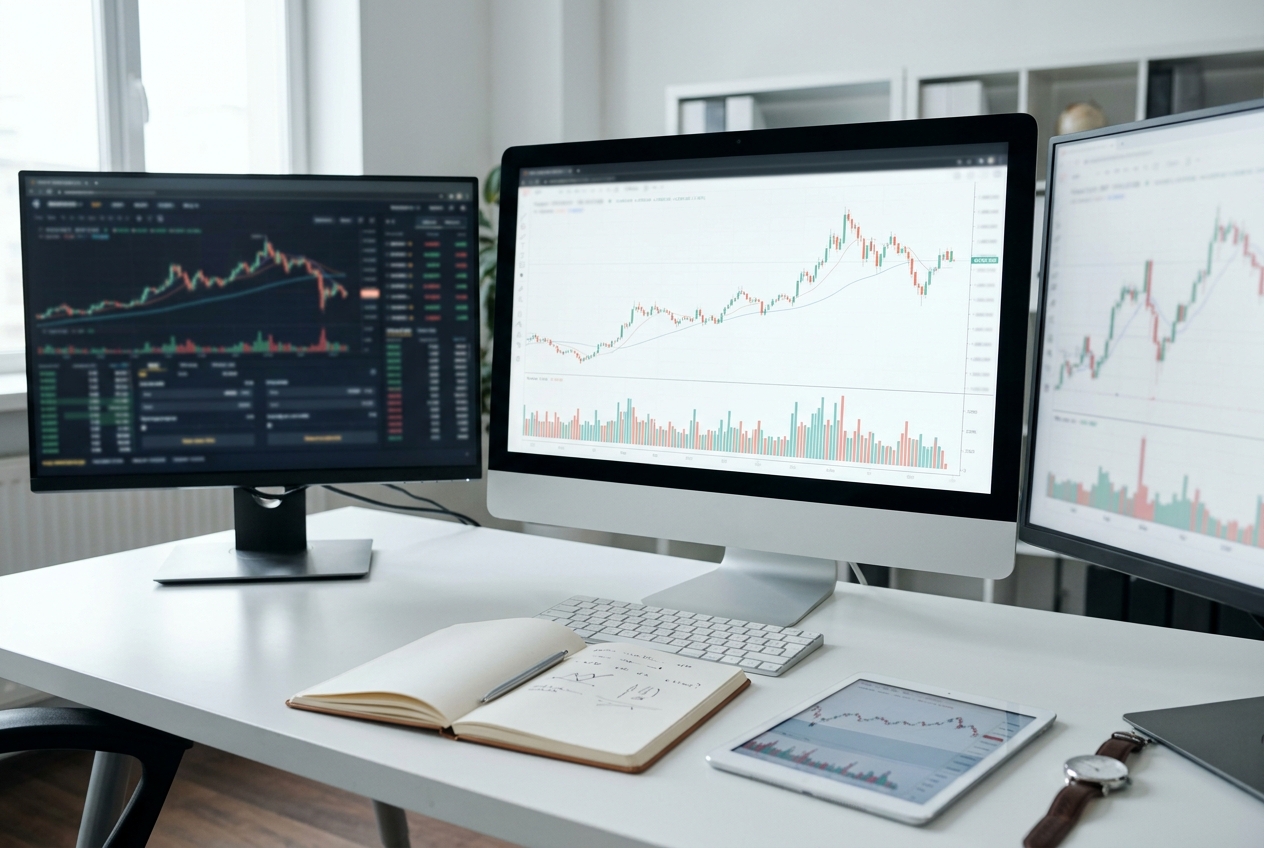
When analyzing the Ripple price, many experienced investors use moving averages and volume indicators as a baseline. However, the importance of 'on-chain data' has recently been growing. When large-scale XRP movements occur on the XRP Ledger (XRPL), it is important to check whether they are heading to exchanges or personal wallets. Large inflows to exchanges usually act as selling pressure. Conversely, large withdrawals from exchanges to personal wallets can be interpreted as a move for long-term holding, suggesting that market selling pressure is decreasing.
Also, the volume of 'Escrow' lock-up releases, a unique characteristic of Ripple, should be checked regularly. Ripple releases a certain amount of XRP into the market every month. Understanding the price pressure when this volume is released into the market is an essential checkpoint for long-term investors. Since escrow releases are on an official schedule, you should be aware that market volatility may increase around those dates and manage your portfolio accordingly. While on-chain analysis has the advantage of transparent data, it is wise to consider multiple indicators rather than drawing conclusions from a single data point.
Comparison Criteria: Correlation with Other Assets
Ripple has its own unique ecosystem operation method compared to Bitcoin or Ethereum. Therefore, it is recommended to periodically check the price correlation coefficient with other altcoins. If the entire market is falling but Ripple shows an independent upward trend, it is highly likely that there is strong positive news internal to Ripple or that a specific market force is acting to defend the price. Conversely, if the entire market is rising but Ripple is left behind, it is worth checking if there is a temporary stagnation within the Ripple ecosystem.
Risk Management Investors Must Pay Attention To

Because virtual asset investment is highly volatile, going 'all-in' based solely on the Ripple price is dangerous. In particular, Ripple has strong characteristics of a 'news-based asset' where prices change rapidly due to external variables such as lawsuits or regulatory news. Therefore, it is important to appropriately adjust the proportion of Ripple in your investment portfolio. Adhering to asset allocation principles is the only way to survive the long-term investment journey.
Also, do not get swept up in baseless rumors or excessive optimism in communities. Due to the nature of the project, Ripple is an asset that should be viewed from a long-term perspective, not a target for gambling on short-term price gains. Always make a habit of verifying information through official disclosures and reliable news sources. In particular, unverified information spread on social media is the biggest factor that clouds investment judgment. Keep in mind that investing based on unverified information is a shortcut to losses.
Action Plan: Setting Rules for Risk Management
1. Set Stop-Loss Criteria: Pre-determine the range of loss you can handle and sell mechanically if that range is reached. 2. Partial Trading: Do not invest all your assets at once; use a strategy of buying in installments over a period to lower your average cost. 3. Information Filtering: Subscribe to only three or more credible channels to obtain information and exclude emotional posts from communities. 4. Regular Portfolio Review: Check your asset allocation ratio every month as market conditions change and rebalance if necessary.
Conclusion: The Right Perspective on Ripple Price
Ultimately, the Ripple price is the result of a combination of technical figures and market sentiment. Rather than being swayed by short-term fluctuations, you should comprehensively judge whether the future of the financial services Ripple aims for is actually being realized and what phase the overall virtual asset market is in. If you analyze the Ripple price based on the factors discussed today, you will be able to make rational, data-driven decisions rather than emotional ones. Investing is like a marathon. Do not be shaken by momentary price changes; consistently learning and sticking to your investment principles is the key to successful investing. The market is always changing, but only investors who stick to their principles can turn that volatility into their own profit opportunities.
Frequently Asked Questions
Why does the Ripple price surge?
The main reasons are usually Ripple's partnership announcements, favorable rulings in legal disputes, or an increase in liquidity across the virtual asset market.
What should I look at first when starting to invest in Ripple?
In addition to basic chart analysis, it is recommended to check Ripple's official news, regulatory trends in the U.S., and on-chain data such as large-scale XRP movements.
How much is the Ripple price correlated with Bitcoin?
As Bitcoin is the market leader and drives the overall flow, Ripple is often affected when Bitcoin falls. However, it may show independent movement when there is specific positive news for Ripple.
What is the biggest risk factor for investing in Ripple?
Changes in the regulatory environment and legal risks are the biggest factors. In particular, judicial decisions related to the controversy over whether it is a security in the U.S. can have a massive impact on the price.