3 Essential Checkpoints Before Starting Your Seoul Trip
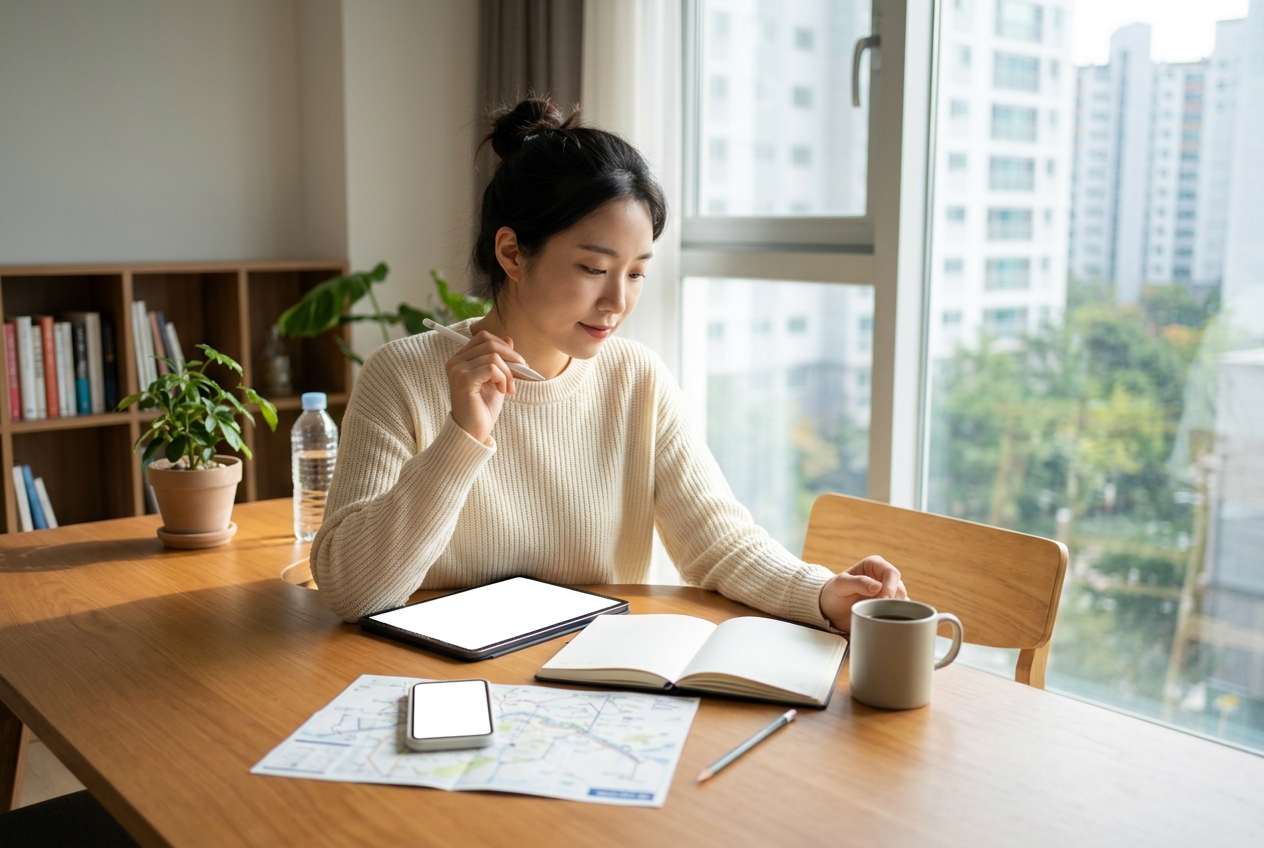
- Accessibility of Transportation: Is the location reachable within 30 minutes by public transport? Seoul has a very dense subway network. Therefore, if you set your first destination near a subway station, your subsequent route will be much easier. Minimizing transfers is the key to reducing fatigue.
- Indoor vs. Outdoor Ratio: Have you balanced indoor and outdoor spaces to account for weather variables? Seoul's weather varies significantly by season. Outdoor activities in summer can be exhausting, so it is necessary to plan for air-conditioned indoor museums or cafes after 2 hours of outdoor activity. In winter, we recommend the opposite: visiting outdoor landmarks briefly after viewing indoor exhibitions.
- Flexibility of Stay Duration: Do you have a Plan B in case you spend more time than expected at a certain place? Popular attractions can have long wait times. It is better for your mental health to limit your schedule to a maximum of 3 places per day rather than setting unrealistic goals. In particular, it is safer to add at least 30 minutes to your estimated wait time for popular restaurants.
Recommended Places to Visit in Seoul by Taste: A Categorized Approach
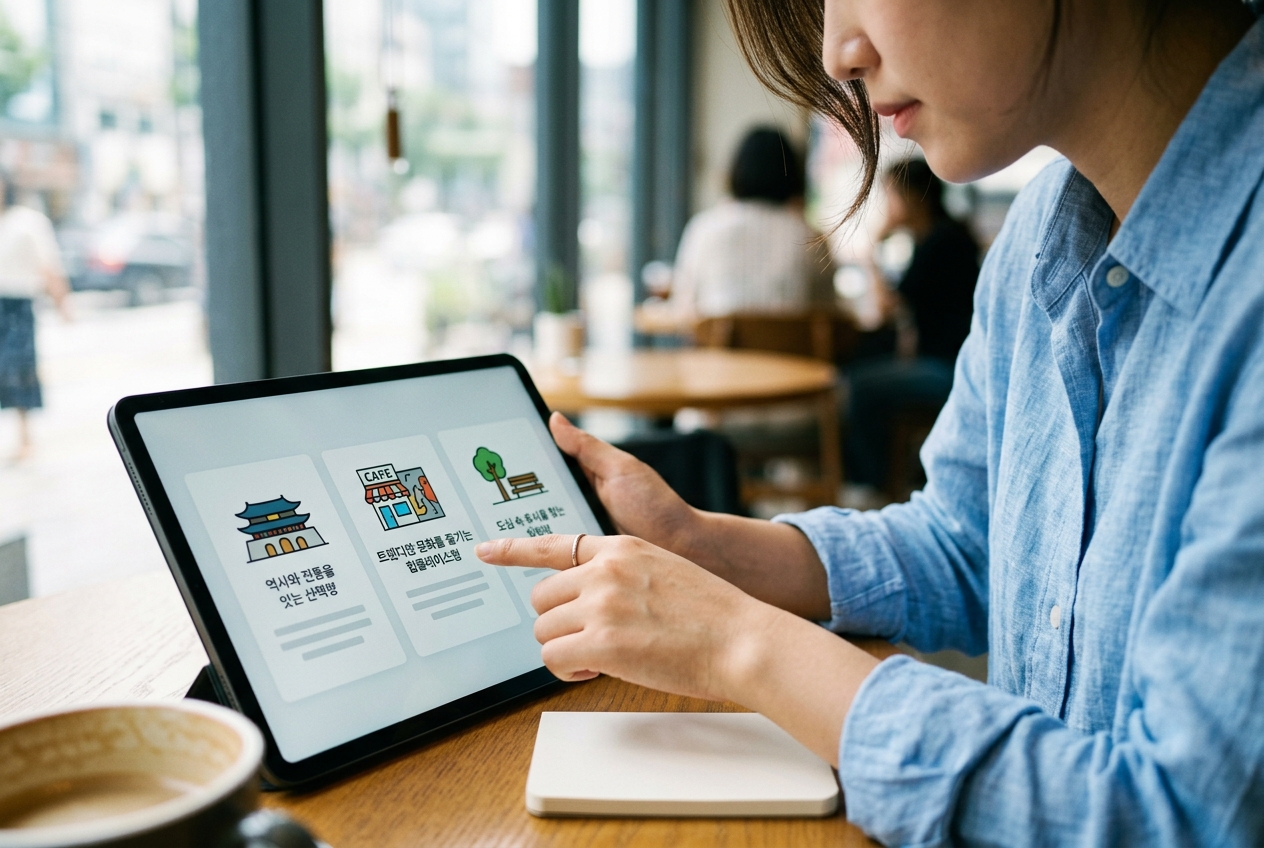
Walking Course Connecting History and Tradition
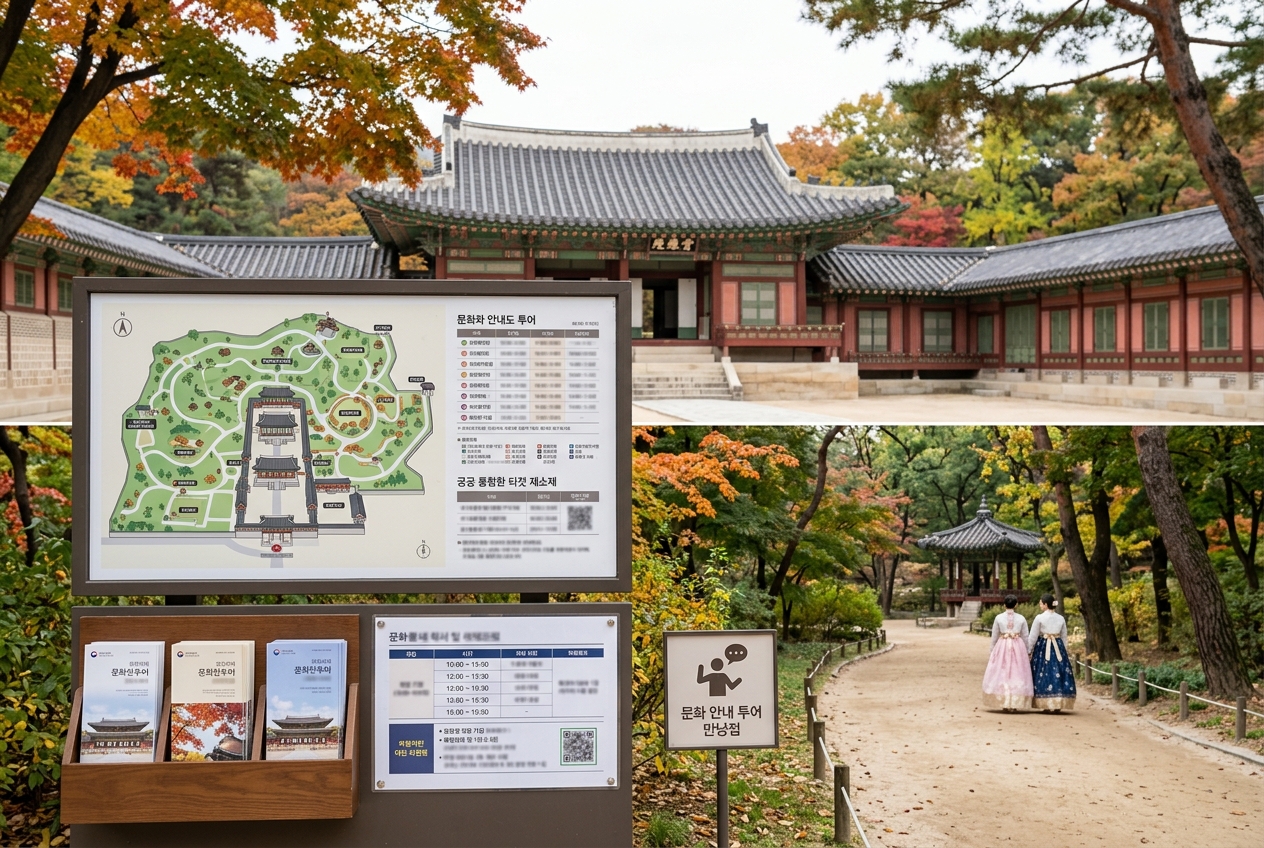
Gyeongbokgung, Deoksugung, and Changdeokgung are symbols of Seoul. When visiting these places, it is recommended to check the cultural docent tour times or look into the integrated palace admission pass in advance. Especially in spring and autumn, booking for night openings is essential. Nearby Samcheong-dong or the alleys of Seochon are optimal for walkers due to the many small galleries and cafes. During a palace tour, you can have a deeper experience by including not just the main gate, but also the secret gardens or small nearby museums.Trendy Culture and Hip Places
Seongsu-dong has transformed from a former factory district into an area densely packed with artists' studios and cafes. It is important to check for pop-up stores or exhibitions in advance rather than just visiting cafes. Simply checking current events through Instagram or portal sites can change the quality of your trip. Recently, Seongsu-dong has many complex cultural spaces, offering the advantage of being able to handle shopping, dining, and exhibitions all within one building.Healing in the City
Seoul Forest or Hangang Park are the best spaces to enjoy nature within the city. If you are planning a healing trip, we recommend preparing a picnic mat or simple snacks to spend time in the park. Especially at sunset, Hangang Park is perfect for enjoying the night view of Seoul. At the second turning point, you should consider route optimization. Rather than trying to visit too many places in one day, we recommend a 'base travel' method where you enjoy a specific area in depth. For example, if you choose 'Seongsu,' focus on exploring Seoul Forest and the area around Ttukseom Station. Walking is the best way to get around within a region, but if it's too wide, try using shared bicycles.Practical Checklist to Increase the Efficiency of Your Seoul Trip
- Check Visit Times: Weekends from 2 PM to 5 PM are the busiest times for most popular attractions. We recommend visiting before 11 AM or on weekdays if possible. Famous restaurants may require an 'open run' (lining up before opening).
- Check Reservation Systems: National museums or specific experience programs require advance booking. Check the official website 3 days before your visit so you aren't caught off guard on-site. Cancellations sometimes appear on the day of, so real-time checking is effective.
- Parking Availability: Parking in Seoul is notoriously difficult. We recommend using public transport whenever possible. If you must bring a car, check nearby public parking lots in advance using an app like 'Modoo Parking.' Private parking lots are expensive, so finding one that offers a daily discount is more economical.
- Update Information: Business hours shown in search results may differ from reality. Get into the habit of checking the official Instagram or announcements on Naver Maps for the business just before you visit.
Variables and How to Deal with Them During Your Seoul Trip
It is very common for sudden rain or unexpected crowds to disrupt your schedule. It is a good idea to have a list of indoor spaces ready for such times. For example, if an outdoor palace schedule is canceled due to rain, have a backup plan to immediately move to the National Museum of Modern and Contemporary Art, a nearby large bookstore, or a complex cultural space. Also, actively use the 'Ttareungi' (Seoul bike) or public transport apps provided by the city. Seoul has a very well-equipped public transport system, so just checking transfer information can save you significant money and time. Real-time arrival information in subway apps is very useful for finding your way. If you want to avoid crowded subway stations, checking bus routes can be an alternative. Finally, a point to check when finishing your trip is 'fatigue management.' You will walk quite a lot in Seoul. Be sure to include time in your schedule to rest in cafes or sit in parks from time to time. An overly packed schedule will eventually diminish the joy of your trip. Taking a light walk along the Han River in the evening to wrap up the day is also a good method.Final Checklist: Verify Before You Leave
Finally, please check the following once more before leaving home:- Check the closing days of the places you plan to visit (many places are closed on Mondays or Tuesdays).
- Check your public transport card balance and top up (using a mobile transport card is convenient without needing a separate card).
- Prepare a portable battery and comfortable shoes (cushioned shoes are essential as there is a lot of walking).
- Capture emergency contacts and reservation confirmations (write down or screenshot major reservation numbers in case of digital device errors).
- Re-check the weather forecast (check weather information once more on the morning of your visit to decide whether to prepare an umbrella or a coat).
Frequently Asked Questions
How do I park when traveling in Seoul?
Parking in central Seoul is expensive and it is difficult to find parking spaces. It is best to use public transport, but if you must use a vehicle, we recommend checking the location and fees of public parking lots near your destination in advance via the 'Modoo Parking' app.
Are there days when many places are closed?
Most museums, art galleries, and palaces are often closed on Mondays or Tuesdays. You must check the official website of the specific place you intend to visit to confirm their closing days first.
Can you recommend walkable areas in Seoul?
If you want a historical atmosphere, we recommend the area around Gyeongbokgung Palace and Bukchon Hanok Village. If you want trendy cafes and pop-up stores, we recommend the Seongsu-dong or Hannam-dong areas. Both are perfect for exploring the charm of alleys on foot.
Where should I go when the weather is bad?
When it rains or the weather is bad, it is recommended to visit indoor cultural spaces such as complex shopping malls (COEX, The Hyundai Seoul, etc.), the National Museum of Modern and Contemporary Art, or large bookstores in each region.