One of the first concerns when planning a trip to Jeju Island is transportation. Since it is difficult to visit hidden gems using only public transport, many people choose to rent a car. However, the sheer number of companies, complex insurance systems, and unfamiliar vehicle pickup procedures can feel overwhelming. Today, we will address potential issues you might encounter when using a Jeju rental car and provide a detailed guide on how to resolve them wisely for a safe trip.
Choosing a Jeju Rental Car Company: What Should Be Your Top Priority?
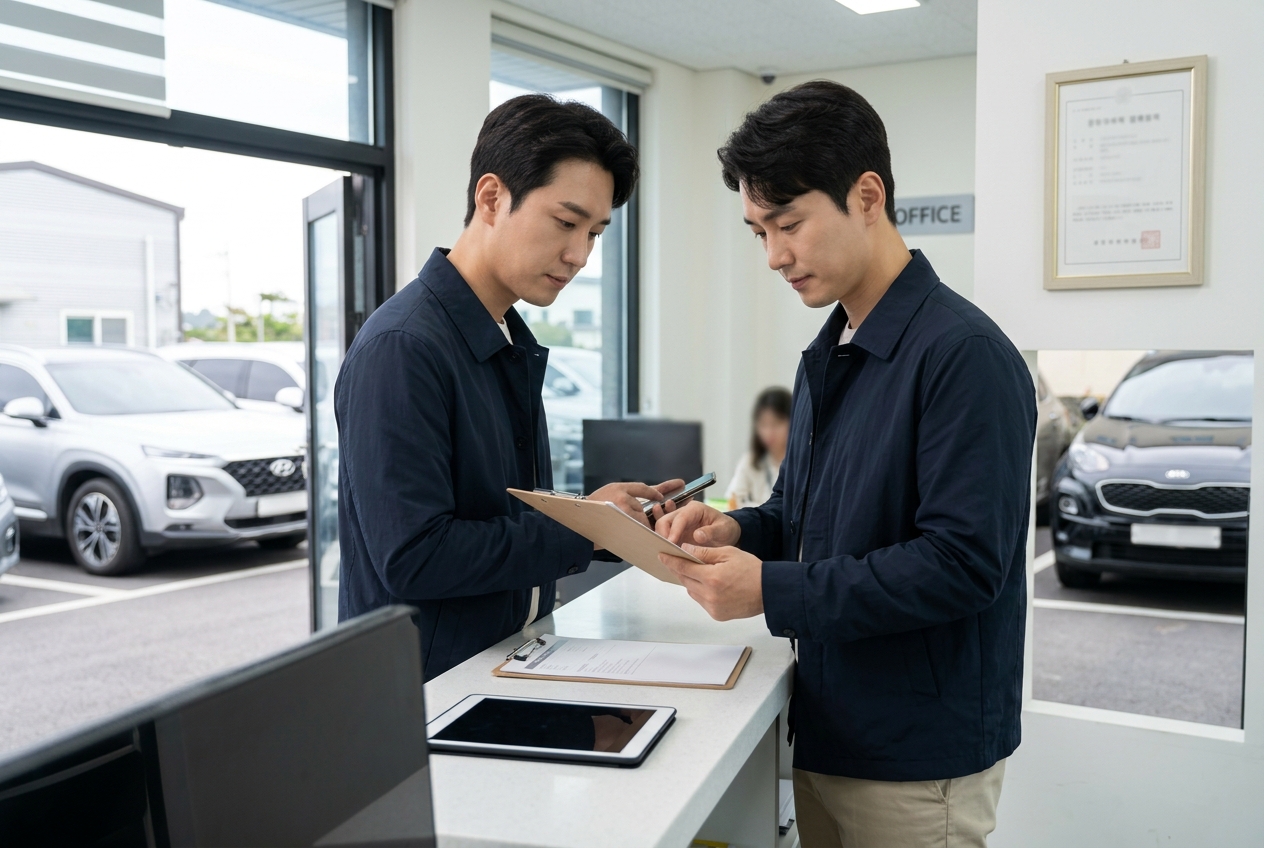
The first problem you face is 'which company to choose.' If you only look for the cheapest price, you may face unexpected additional costs or service dissatisfaction. First, it is basic to check if the company is officially registered. It is recommended to see if they are registered with the Jeju Special Self-Governing Province Rental Car Association or have a long-standing reputation for reliability.
When using price comparison sites or platforms, you should compare based on the 'total amount.' Some companies set very low rental fees but later demand excessive insurance premiums or convenience feature charges. Also, the distance between the pickup location and the airport is important. If the shuttle bus ride is long, it can increase fatigue from the start of your trip, so be sure to check accessibility to the airport.
Checkpoints for selecting a company include the vehicle's model year and maintenance status. Cheaper companies are more likely to assign older vehicles. It is important to check if it is a latest model or at least a vehicle released within the last 3–5 years. Also, if you can check the interior cleanliness or whether it is a non-smoking vehicle in advance, it will make your trip much more comfortable. Let's look at a real-life example. Person A booked the cheapest company based solely on price but had to wait over 30 minutes for a shuttle at the airport. On the other hand, Person B chose a location adjacent to the airport, even if it cost a bit more, and was able to start their trip much faster. This shows the need to consider the value of time and money. When looking at company reviews, it is more helpful to prioritize feedback on 'vehicle condition' and 'shuttle operation' written within the last 1–3 months rather than just star ratings. Also, since reservations can close early during peak season, it is recommended to confirm your booking at least 2–3 weeks in advance. When booking, choose based on your driving proficiency according to the vehicle class (compact, small, mid-size, SUV, electric vehicle). For example, if you are uncomfortable driving on narrow Jeju alleys, a compact or small car is reasonable, while for a family trip, an SUV is better to ensure safety and cargo space.
Understanding Insurance Types and Coverage

The most important part of using a Jeju rental car is definitely insurance. Unlike general insurance, rental car insurance operates under the concept of a 'waiver system.' Terms often called 'Full Coverage' or 'Super Coverage' vary in scope by company, so you must read the terms and conditions carefully.
Generally, even with 'Full Coverage,' damage to tires, wheels, or the vehicle interior is often excluded. Jeju, in particular, has many unpaved roads and narrow alleys, making tire-related accidents frequent. If you are an inexperienced driver or unfamiliar with Jeju's geography, choosing 'Super Coverage' or 'Unlimited Coverage' with the widest range of protection is much more psychologically stable.
Insurance selection criteria should consider your driving experience and the number of times you have visited Jeju. For novice drivers, it is recommended to choose the maximum coverage to prepare for accident risks. To avoid panic in the event of an accident, inquire in advance about insurance limits and whether a 'loss of use' fee applies. The loss of use fee is the amount that compensates the company for the loss of business while the vehicle is being repaired; this cost can be higher than expected. Checking if this fee is waived in your insurance plan is a mandatory checkpoint. Also, it is very helpful in emergencies to check if 24-hour emergency roadside assistance is provided and if the accident reporting process is simplified. Additionally, be sure to check if single-vehicle accidents (accidents without another vehicle involved) are covered. Many basic insurance plans only cover accidents with other vehicles, so single-vehicle accidents, such as hitting a tree or scraping a parking facility, may require a separate special rider.
Checklist for Vehicle Pickup
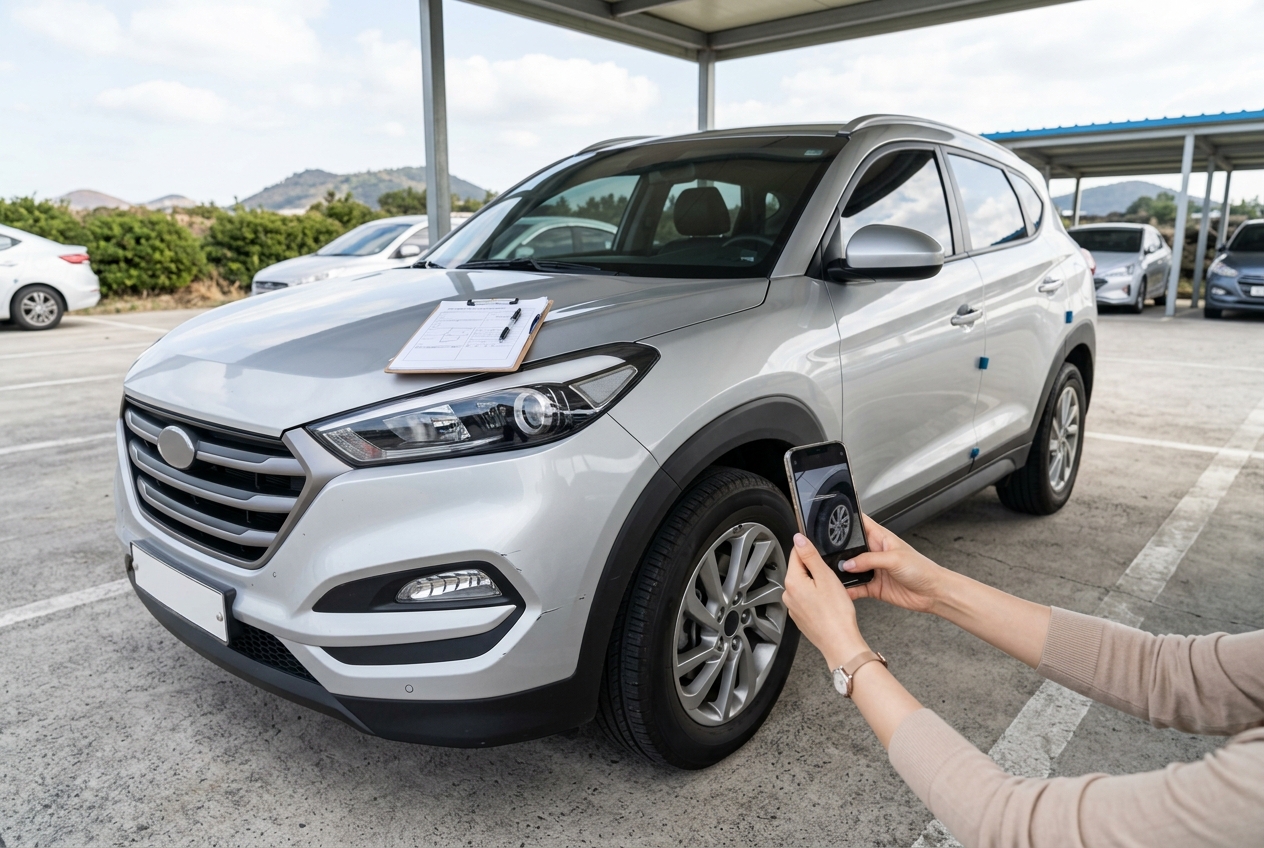
The moment you pick up the vehicle is the most exciting time, but it is also when you need to be most meticulous. Do not drive off immediately; walk around the vehicle to check its condition. Inspection at the time of pickup is the only way to prevent future disputes over liability.
- Check for external scratches and dents: It is best to record all sides with your smartphone. Be especially careful with the lower bumper, side mirrors, and wheels, as they are easy to miss.
- Tire condition: Visually check for wear and air pressure, and notify staff immediately if there are any issues.
- Fuel gauge check: Take a photo of the current fuel level to match it upon return.
- Internal function check: Verify that basic functions like side mirror adjustment, air conditioning, navigation, wipers, and dashcam are working properly.
In particular, wheel scratches can be a source of dispute upon return. Taking photos in advance can prevent you from being unfairly charged for repairs. If there is existing damage, clearly notify the staff that 'this part has already been checked' and keep a record. Also, check for seat stains or navigation errors immediately after pickup. If defects are found, it is best to take photos, notify on-site staff, and request a vehicle change if necessary. Even if it feels tedious, this 5-minute check ensures peace of mind throughout your trip. Additionally, check where the manual and emergency contact information are located, and identify the fuel cap position (left or right) to avoid confusion at gas stations. If you are renting an electric vehicle, it is essential to ask staff about how to use the charging card and the location of the charging port.
Jeju Traffic Environment and Driving Precautions
Jeju has a unique traffic environment different from the mainland. Because there are many tourists, you will often see vehicles braking suddenly in unexpected places, and some drivers may cut you off aggressively, taking advantage of the fact that you are in a rental car. Therefore, defensive driving is not an option, but a necessity.
Also, Jeju has many roundabouts without traffic lights. Always remember that vehicles already in the roundabout have the right of way. Get into the habit of checking to your left and slowing down before entering. Relying solely on navigation can lead you onto narrow farm roads, so it is better to set your route mainly using major roads. Since rental car drivers are often unfamiliar with the area, they may change routes suddenly, so always maintain a sufficient safety distance.
At night, many roads lack streetlights, making visibility poor. Use high beams appropriately, but be courteous and switch to low beams when a vehicle approaches from the opposite direction. Also, Jeju's weather is very fickle. In case of sudden thick fog or rain, it is essential to reduce your speed by more than 20% and turn on your headlights. A relaxed mindset is most important for a safe trip. Since you rented a car to enjoy Jeju's beautiful scenery, prioritize safety over rushing. Especially on coastal roads where winds are strong, the car body may sway, so hold the steering wheel firmly and reduce speed. Also, parking spaces around tourist attractions are often scarce, so searching for parking availability in advance is a tip to save time.
Return Procedure and Final Checklist
There are also points to note when returning the car after a fun trip. First, it is basic to fill the fuel to the same level as when you received it. If fuel is insufficient, the company will charge you according to their regulations, which is usually more expensive than at a gas station. Therefore, it is better to top up at a nearby gas station before returning and keep the receipt.
Also, check once more to ensure you haven't left any belongings in the vehicle. Sunglasses, chargers, and wallets are often hard to find when stuck in seat crevices. Do a quick final check of the vehicle condition before returning, and complete the final inspection with a staff member. Accompanying the staff while they inspect the car is the most transparent way to handle the return.
After returning, it is recommended to take photos of the overall condition of the vehicle for any potential post-trip issues. We hope you finish your trip meticulously so that the end is not unpleasant. If you are preparing for a trip right now, re-read the terms and conditions of your rental company and check if you have brought your physical driver's license. It is also a good idea to check if your smartphone has enough storage space for photos during pickup. Above all, do not forget that the completion of a safe trip is thorough preparation and finishing. If you think you will be late for the return time, it is important to contact the company in advance to inform them of the situation. Unauthorized delays not only incur additional fees but can also harm the next renter. After returning, it is recommended to clear the navigation history containing personal information for privacy protection. Finally, even minor contact accidents during the trip must be reported and handled by the company to prevent large repair bills later. Using a meticulous checklist will be a solid foundation for a successful Jeju trip.
Frequently Asked Questions
Do I have to bring my physical driver's license when booking a rental car?
Yes, you must bring your physical driver's license. While some companies accept mobile licenses, many require the physical card by regulation, so it is safest to bring the physical copy to avoid inconvenience.
Can I get a refund if I return the car with more fuel than I started with?
Most rental car companies do not provide refunds for excess fuel. Therefore, it is more economical to return the car with a fuel level as close as possible to the initial gauge.
Does 'Full Coverage' insurance really mean zero cost in the event of an accident?
Even with 'Full Coverage,' the scope of coverage varies by company. Items such as tires, wheels, and internal parts are often excluded, so you must check the exemption clauses in the insurance terms in detail before signing.
What should I do first if an accident occurs?
Immediately contact the rental car company's customer center to report the accident. Do not repair or handle even minor accidents arbitrarily; follow the company's instructions to ensure proper insurance coverage later.