The bus is the public transportation we encounter most frequently in our daily lives. From commuting to weekend outings, it is important to accurately understand the structure of the bus system and etiquette to travel to your destination safely and economically. Beyond simply checking routes, utilizing transfer discount systems and real-time location information can dramatically reduce travel time. Systematic bus usage not only saves time but also contributes to smoothing the overall traffic flow of the city. As public transportation is a shared asset, the small considerations of individual users come together to create a more pleasant travel environment.
The Essentials of Checking Bus Routes and Real-Time Information

The first step to successful bus travel is identifying the correct route. In the past, we relied on paper timetables posted at stops, but now you can check real-time locations via smartphone applications. The Bus Information System (BIS) provides the vehicle's current location and estimated arrival time at the stop in minutes, reducing the time spent waiting aimlessly. Using both the electronic display boards installed at each stop and mobile apps together can provide even more accurate information. Additionally, the recently introduced smart bus stop system is equipped with fine dust blocking and heating/cooling functions, improving the waiting environment.
When using apps, it is a good habit to check the congestion level of the vehicle displayed next to the route number, rather than just the arrival time. If the first bus is full, choosing the following vehicle ensures a much more comfortable trip. Also, by setting frequently used routes as 'favorites,' you can save the hassle of searching every time. When checking routes, the key is to check real-time traffic information that reflects actual road conditions and congestion sections, rather than the straight-line distance to the destination. Since information on bus route changes or temporary detours is updated frequently via in-app notices, please be sure to check for the latest information before long-distance travel.
Reducing Costs Using the Transfer Discount System
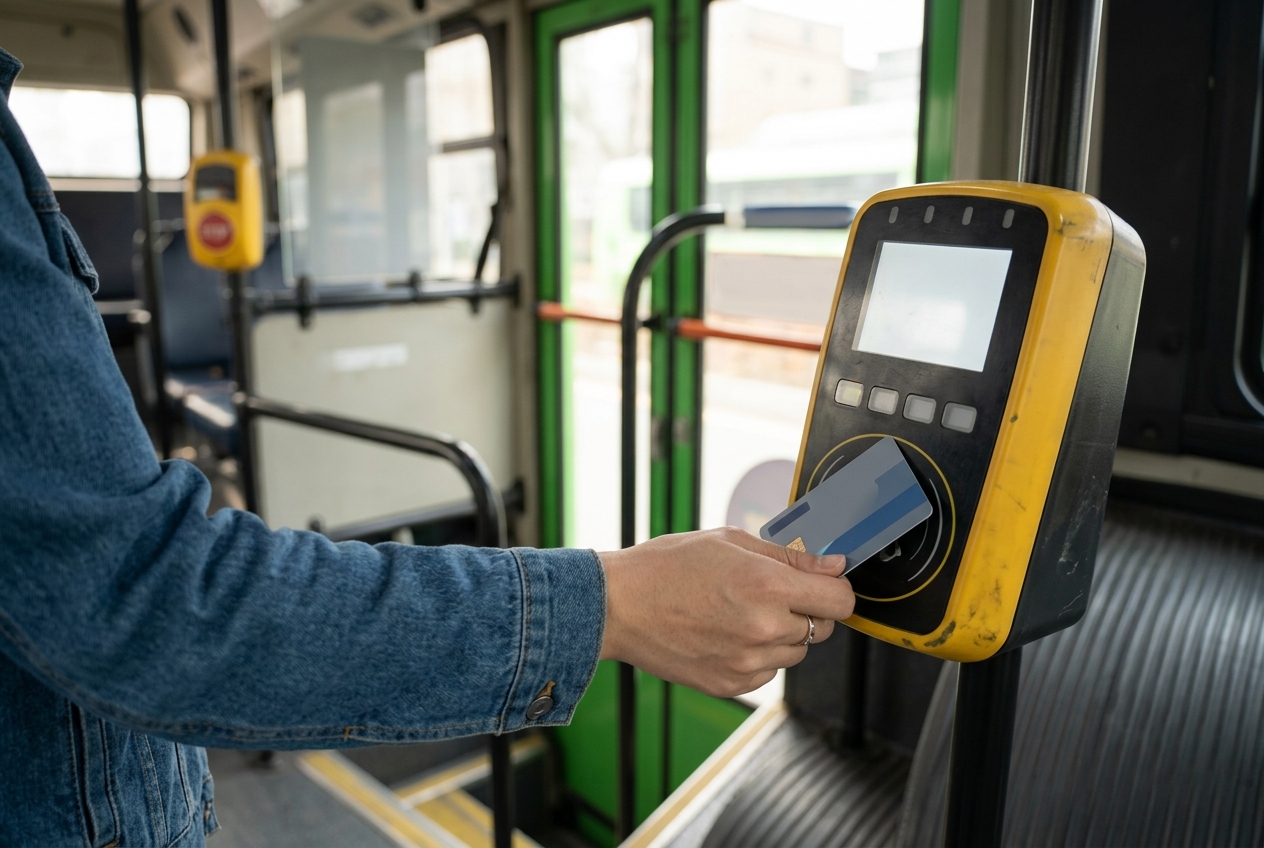
The biggest benefit of using public transportation is the transfer discount. You must tag your card on the reader when getting off to receive a discount on your next transfer. The transfer window is generally within 30 minutes of disembarking, but standards may differ during late-night hours, so you should familiarize yourself with regional transportation card regulations in advance. If you forget to tag off, you may not only lose the transfer benefit but also face the disadvantage of being charged the basic fare again. The transfer discount system is a key mechanism that not only eases the economic burden on citizens but also organically connects trunk and feeder buses to increase the accessibility of public transportation.
Note that transfers between buses of the same route are generally not possible. If you need to take the same bus number again, the transfer discount will not apply, so you must consider this when planning your route. Also, if you are with a group, each person must use their own card to tag, and please be aware that transfer benefits may be limited when paying for multiple people. To receive transfer discounts, it is important to develop the habit of accurately tagging your card every time you board and ensuring the card is correctly recognized by the payment terminal when you get off. If a tagging error occurs, notifying the driver immediately and taking action is the fastest way to prevent future fare settlement issues.
Manners and Safety Rules for a Pleasant Bus Experience
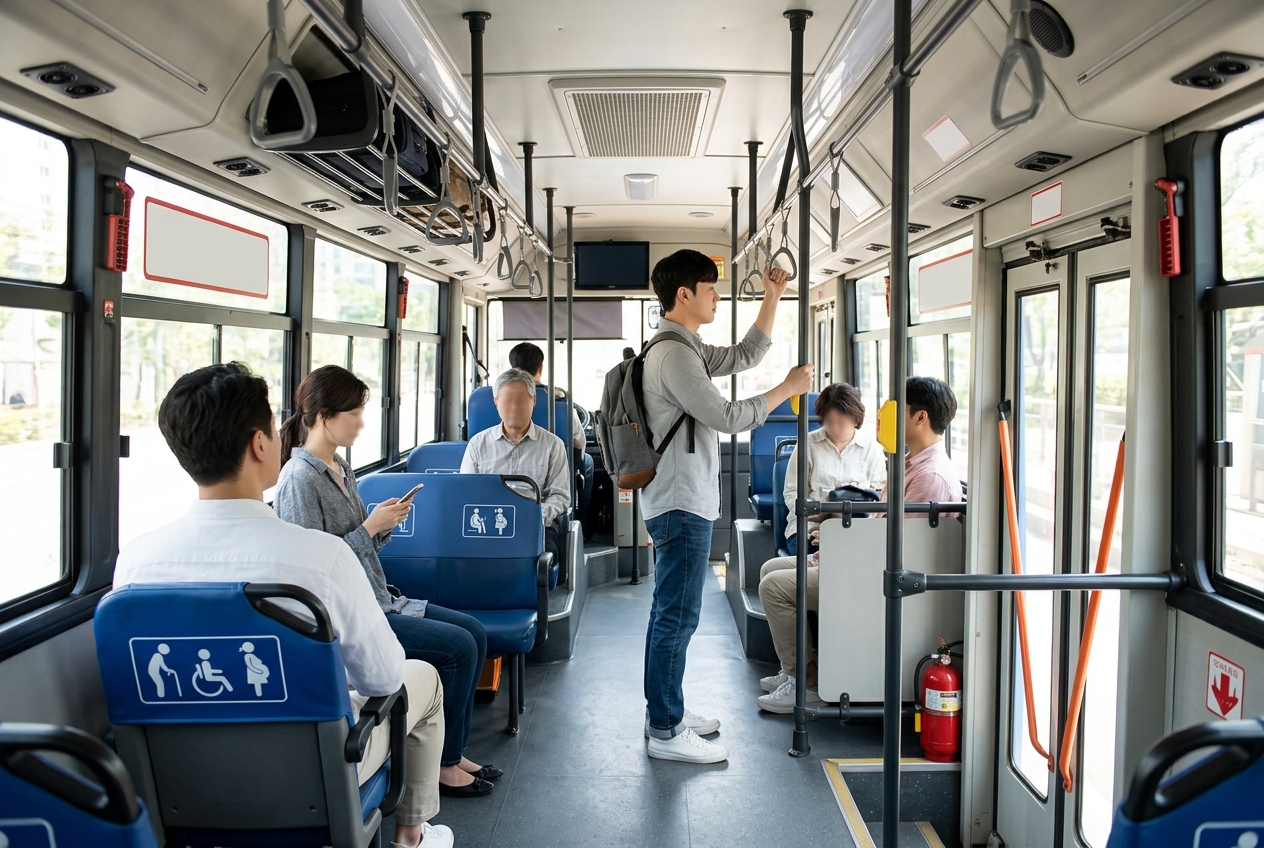
The bus is a public space used by many people. Etiquette that does not harm others is essential inside the vehicle. Especially during rush hour, it is recommended to wear your bag in front or place it on the floor to keep the aisle clear. Maintaining a posture that does not inconvenience the person next to you and keeping phone calls quiet or refraining from them altogether is a sign of mature civic consciousness. Also, bringing food onto the bus is discouraged due to concerns about odors or contamination, so it is recommended to avoid it, except for beverages in containers with lids.
Safety is paramount. Moving inside a moving bus is very dangerous. You should wait until the vehicle has come to a complete stop while seated or holding a handle before moving to the exit door. It is necessary to always be prepared to prevent accidents that may occur during sudden stops. Especially when accompanied by the elderly or children, if the vehicle has seatbelts, you must wear them, and when standing, it is best to hold the handle firmly with both hands. A culture of naturally yielding seats for the elderly or pregnant women when such passengers board should be established.
How to Handle Unexpected Situations Inside the Bus
Occasionally, a bus may skip a stop or be delayed due to an unexpected accident. In this case, do not panic; check the vehicle number and route number posted inside the bus, and then inquire with the relevant transport company or the local government's civil service center. You can also search for information on found items by using the 'Lost and Found' feature in smartphone apps. In the event of mechanical failure or a traffic accident inside the bus, following the driver's instructions to disembark in an orderly manner is the top priority. In an emergency, knowing the location of the emergency escape hammer or emergency opening device installed inside the bus in advance is also very helpful.
If you lose an item on the bus, the most important thing is to remember the bus number, the time you got off, and the stop where you got off. Recently, systems have been well-established to identify the vehicle you boarded through card payment information, so please take action calmly without panic. Since lost items are often transferred to the garage or the transport company's office for that route, checking the contact information for the transport company operating that route immediately after the loss is a quick solution. If you cannot remember the bus number, checking your transportation card usage history to trace the boarding time and vehicle number is another method.
Final Checklist for Efficient Bus Usage
To maximize the efficiency of bus usage, regular card balance checks and app updates are necessary. Transportation cards must always be kept with a sufficient balance, and recently, you can easily pay with just your smartphone without a physical card by using a mobile transportation card. Mobile transportation cards require the NFC function to be enabled, so please check your settings before boarding. Also, updating your transportation card information regularly can prevent system errors and allow you to experience faster tagging response speeds.
Finally, using the bus is more than just a means of transportation; it is a part of daily life that flows with the city. Maintaining order at the bus stop and a light nod to the driver are the foundations for creating a more mature public transportation culture. Although it is a bus you ride every day, if you remember that the bus you are using today is a link in our society, it will be a much more enjoyable journey. Since bus policies for each region are always announced through local government websites or official transportation portals, please check relevant information periodically so you do not miss out on benefits that apply to you.
Frequently Asked Questions
Do I have to tag my card when getting off the bus?
Yes, you must tag your card when disembarking. If you do not tag off, you cannot receive transfer benefits, and the basic fare may be charged again upon your next boarding.
How long is the transfer discount valid?
Generally, the discount applies if you transfer within 30 minutes of disembarking. However, standards may vary depending on regional policies or late-night hours, so it is recommended to check the public transportation information for your area of residence.
Do I get a transfer discount if I take the same bus number again?
No, in principle, transfers between buses of the same route do not qualify for a discount. Please note that you will be excluded from transfer benefits if you need to use a vehicle with the same number again, so keep this in mind when planning your route.
What should I do if I lose something on the bus?
After checking the bus number, time of disembarkation, and the stop where you got off, you can contact the transport company directly, inquire with the local government's public transportation department, or search through the National Police Agency's integrated lost and found portal.