Gastroenteritis is one of the most common digestive disorders that modern people encounter in their daily lives. Beyond simply experiencing stomach pain and diarrhea, it refers to a state where inflammation occurs in the intestinal mucosa, reducing the ability to absorb nutrients and regulate water. While many dismiss it as a minor issue that will naturally heal in a few days, appropriate medical intervention is essential depending on the cause. The core mechanism of gastroenteritis is a defense response where bacteria, viruses, or toxins that have entered the intestinal tract destroy the barrier function of the intestinal mucosa, causing our body to discharge excessive amounts of water.
To properly manage gastroenteritis, it is more important to identify the root cause of the inflammation and give the intestines time to recover than to simply take anti-diarrheal medication. Special care is required for infants and the elderly, as dehydration can progress rapidly. Regardless of the severity of the symptoms, gastroenteritis is a signal that the entire digestive system needs rest, and ignoring the warnings sent by your body is the fastest way to delay recovery.
Main Causes and Classification of Gastroenteritis
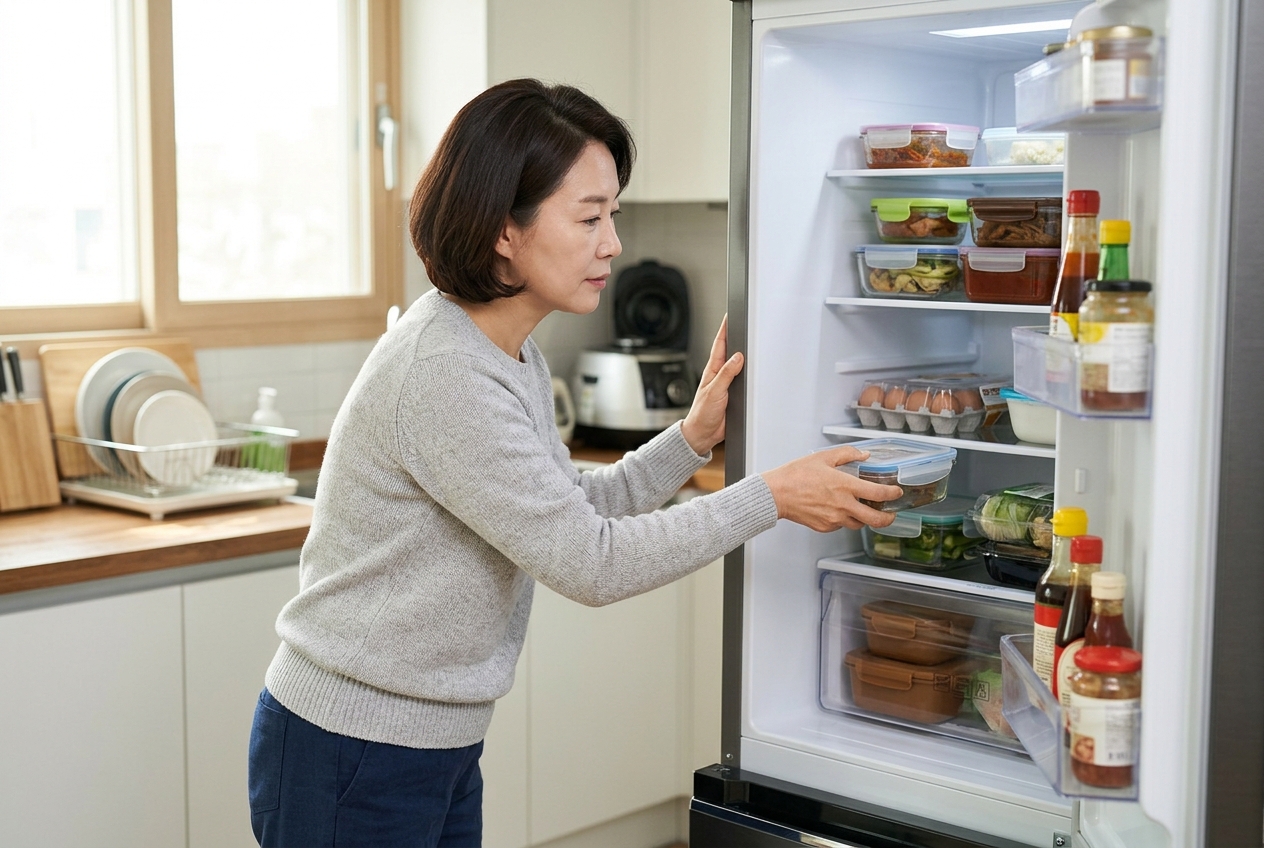
Gastroenteritis is broadly divided into infectious and non-infectious types. Infectious gastroenteritis is mainly caused by bacteria (Salmonella, Vibrio parahaemolyticus, E. coli, etc.) or viruses (Norovirus, Rotavirus, etc.) ingested through contaminated food or water. On the other hand, non-infectious gastroenteritis occurs due to the consumption of irritating foods, drug side effects, or allergic reactions.
The types of infectious gastroenteritis that are prevalent vary by season. Bacterial gastroenteritis is frequent in summer due to the hot and humid environment, while viral gastroenteritis, such as Norovirus, is rampant in winter. Understanding these differences is very helpful in establishing prevention strategies. Non-infectious gastroenteritis is closely related to daily eating habits or stress. If you have hypersensitivity to certain foods or enjoy excessively spicy food, caffeine, or alcohol, the intestinal mucosa may become chronically irritated, leading to symptoms of gastroenteritis.
In real-world situations, the criterion for distinguishing gastroenteritis is the onset of symptoms. If sudden vomiting and chills are accompanied, it is likely infectious; if persistent bloating and abdominal pain follow after eating specific foods, non-infectious causes or indigestion should be suspected first. Recently, cases of infectious gastroenteritis due to hygiene issues during the cooking process have been consistently reported as delivery food consumption has increased. If you suspect gastroenteritis, the first step in prevention and identifying the cause is to review the types of food consumed and their hygiene status within the last 24 hours.
Suspected Symptoms and Step 1 of Response: Hydration
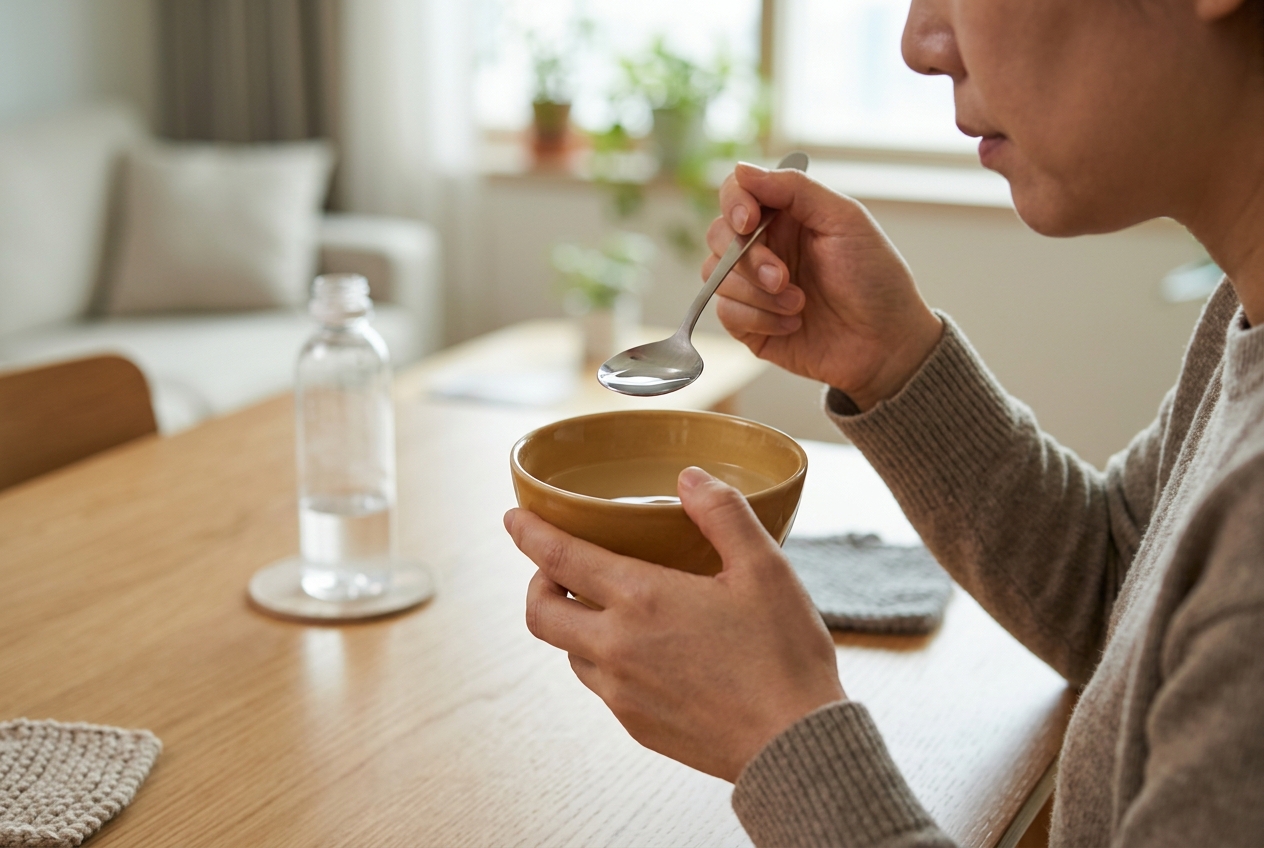
The representative symptoms of gastroenteritis are abdominal pain, vomiting, diarrhea, and fever. In particular, diarrhea is the body's natural reaction to expel toxins from the intestines, so stopping it unconditionally is not always the best solution. The most important thing is how to replenish the water and electrolytes lost due to diarrhea.
Step 1 is to stop eating solid food and drink lukewarm water or oral rehydration solutions in small amounts frequently. Cold water should be avoided as it can further irritate the intestines. If vomiting is severe, it may be difficult to even swallow water; in this case, it is better to use a spoon to moisten the mouth with very small amounts of water frequently. If dehydration is suspected—that is, if urine output decreases sharply, the mouth feels very dry, or you feel dizzy—you should visit a medical institution without delay.
Checkpoints to monitor are the color and frequency of urine. If urine output is significantly lower than usual or the color is dark yellow, it is a sign that dehydration is already underway. In this case, it is more effective to purchase and take oral rehydration solutions containing electrolytes from a pharmacy rather than just drinking plain water. A note of caution: be careful with sports drinks that contain too much sugar, as they can increase intestinal osmotic pressure and trigger diarrhea. It is advisable to dilute them with water in a 1:1 ratio or choose a dedicated rehydration solution with low sugar content. Also, caffeinated beverages should be strictly avoided as they promote diuresis and accelerate dehydration.
Step-by-Step Dietary Management: From Porridge to Regular Meals
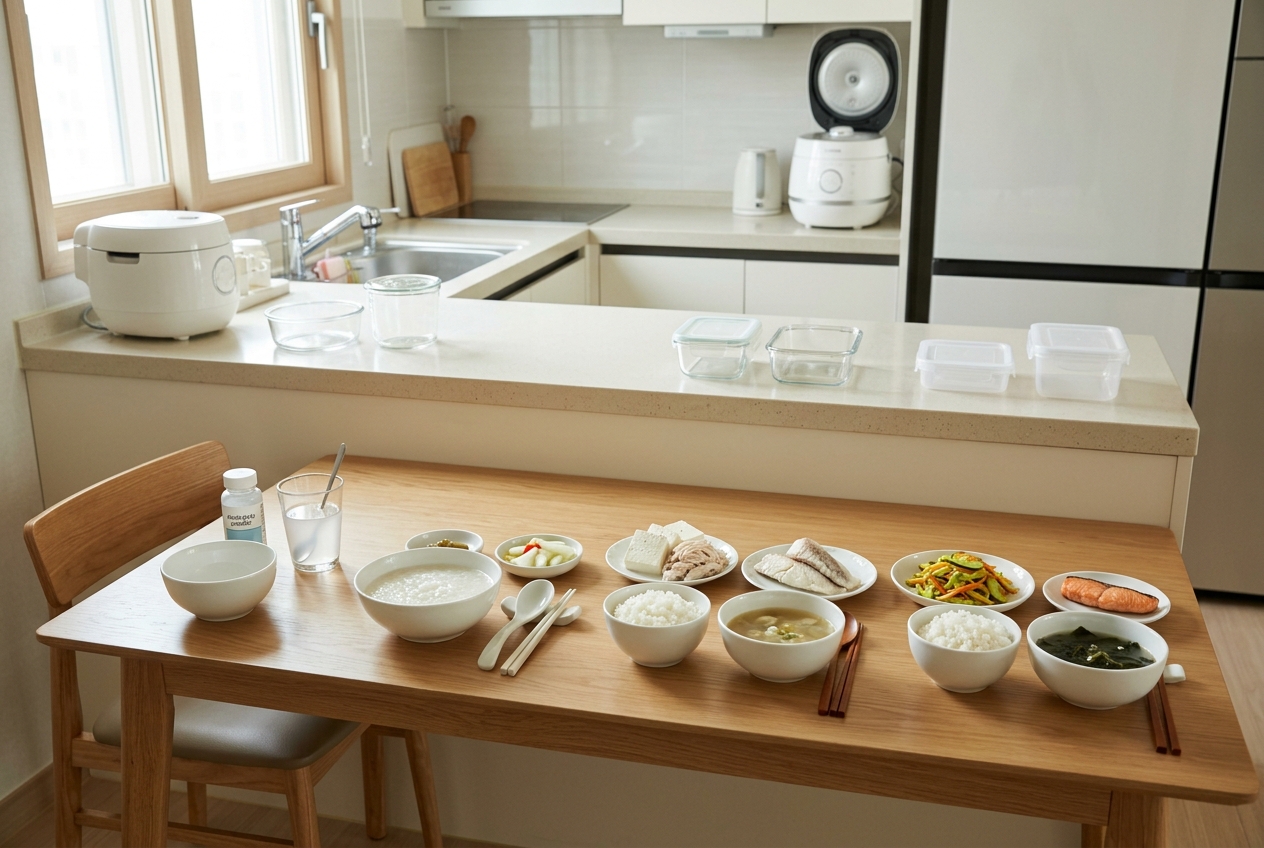
Once symptoms of gastroenteritis begin to subside, dietary control becomes the key to recovery. Starting regular meals too soon is highly likely to cause a relapse. Follow the step-by-step dietary guide to minimize the burden on your intestines.
Step 1 (Acute Phase): Fasting or thin rice gruel. Give the intestines time to rest. At this time, drink water or diluted sports drinks. Securing a physical rest period for the intestines to recover on their own is most important.
Step 2 (Recovery Phase): White porridge. Eat small amounts of soft white porridge with little to no seasoning and check your digestive status. Porridge provides minimal energy while minimizing intestinal peristalsis.
Step 3 (Stabilization Phase): Add protein. Gradually add foods rich in protein and low in fat, such as white fish, tofu, and chicken breast. Since fat places a heavy burden on the intestines during digestion, ensure the diet consists mainly of fat-free protein.
Step 4 (Return to Daily Life): Avoid irritating foods until the end and gradually increase the intake of fiber-rich vegetables. Refrain from spicy and salty seasonings until you return to a completely normal diet.
The criteria for choosing a diet are 'softness' and 'low fat'. Raw vegetables with high fiber content can scratch and irritate the intestinal wall, so they should be avoided initially. Also, be careful with dairy products like milk or cheese, as you may temporarily lack lactase during the recovery phase of gastroenteritis, which can worsen diarrhea. As a practical method, it is better to eat small portions at 4-5 hour intervals rather than eating a lot at once, so the intestines use less energy for digestion. The thing to be most wary of in a recovery diet is 'impatience'. Eating greasy delivery food just because symptoms have improved slightly is the most common cause of gastroenteritis recurrence.
Daily Checkpoints for Preventing Gastroenteritis
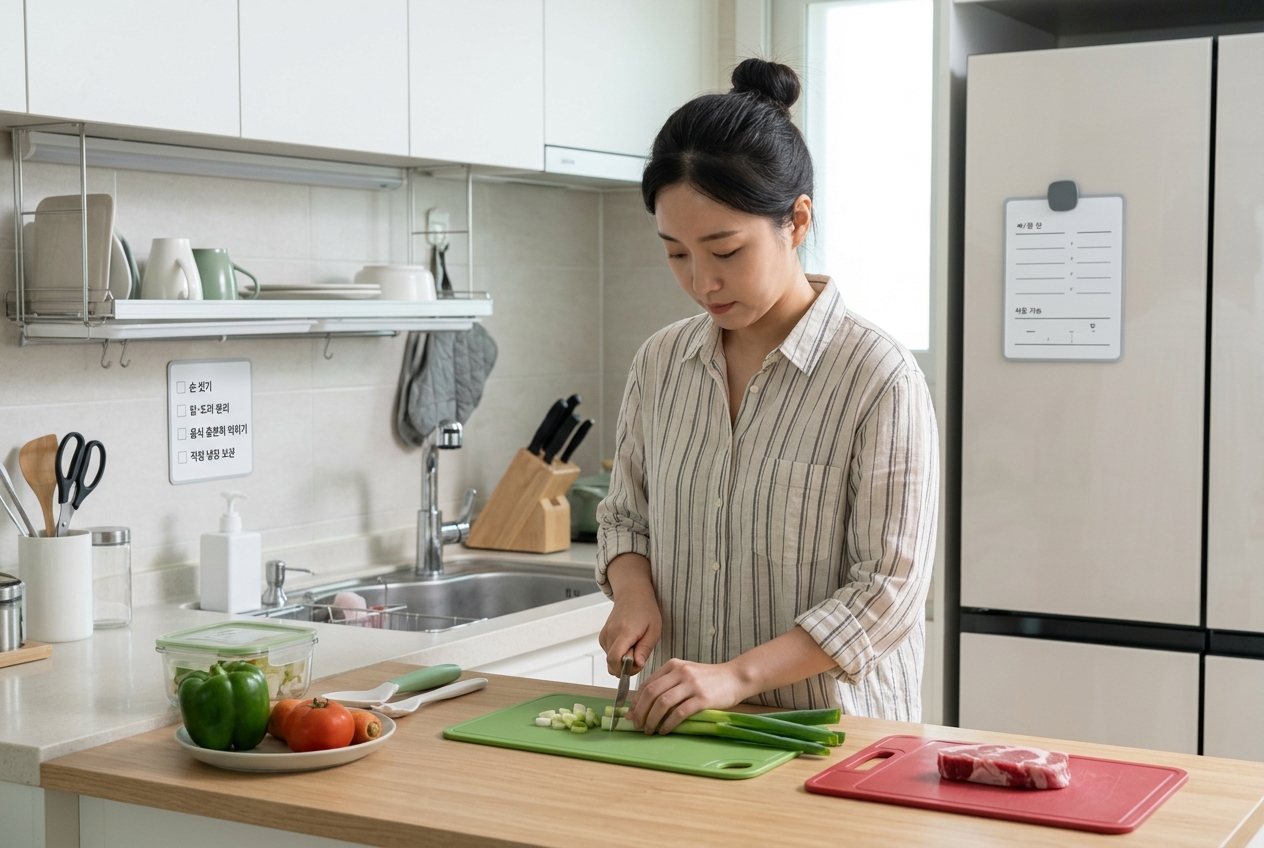
Preventing gastroenteritis ultimately begins with the harmony of hygiene management and eating habits. First, hand washing is the most basic yet powerful preventive measure. After going out, before meals, and after using the restroom, you must wash your hands with soap under running water for at least 30 seconds. Second, develop the habit of cooking food thoroughly. In particular, ensure that meat and seafood are heated sufficiently to the center. Third, use separate cooking utensils. Simply using separate knives and cutting boards for meat and vegetables can significantly reduce cross-contamination.
A point of caution is that you should not feel safe just because food is stored in the refrigerator. Since there are bacteria that multiply even inside the refrigerator, you need to develop the habit of discarding food that has been cooked for a long time. Especially in summer, it is safe to refrigerate or discard food left at room temperature for more than 2 hours after cooking. Finally, periodically check your intestinal health status. If frequent abdominal pain or diarrhea repeats, it may not be simple gastroenteritis but irritable bowel syndrome or inflammatory bowel disease. In this case, identifying the exact cause through a consultation with a gastroenterologist is a priority. Health is determined by small habits. Gastroenteritis is preventable, and if it occurs, knowing the correct response can help you return to your daily life quickly.
Another factor not to be forgotten during the recovery process of gastroenteritis is 'stress management' and 'sufficient sleep'. The intestines are so closely connected to the autonomic nervous system that they are called the second brain. Extreme stress or fatigue weakens the intestinal defense mechanism, making it more vulnerable to bacterial invasion. Therefore, when you have symptoms of gastroenteritis, lowering the intensity of work or study and getting enough rest is a key strategy to increase physical resilience. Also, maintaining an appropriate indoor temperature to keep the abdomen warm helps stabilize intestinal peristalsis.
This information is a general health management guideline and cannot replace diagnosis or treatment for individual symptoms. If accompanied by severe abdominal pain, bloody stools, or high fever, please be sure to see a doctor. Especially for children or the elderly, dehydration symptoms can worsen rapidly, so active monitoring is required from the early stages of symptom onset.
Frequently Asked Questions
Can I take anti-diarrheal medication immediately when I have gastroenteritis?
Caution is needed as anti-diarrheal medication can prevent the discharge of toxins from the intestines. If symptoms are severe, you must consult a doctor or pharmacist before taking it at the appropriate time.
Does drinking sports drinks help with gastroenteritis recovery?
Yes, it helps prevent dehydration. However, if there is too much sugar, it can worsen diarrhea, so it is recommended to dilute it with water in a 1:1 ratio.
How long does gastroenteritis last?
It usually improves within 3-5 days, but it can last longer depending on the causative bacteria or individual immunity. If symptoms persist for more than a week, you should visit a hospital.
What are good foods for gastroenteritis?
Low-irritation white porridge, bananas, apples, and well-cooked vegetables are good. However, you should increase your intake little by little while checking your condition to see if it is easily digested.
Can I share a towel with a gastroenteritis patient?
In the case of infectious gastroenteritis, sharing towels or tableware can pose a risk of transmission to family members. It is recommended to use separate hygiene products while symptoms are present.