Lung cancer is often called a silent disease because it frequently shows no distinct symptoms in its early stages. Many people easily mistake it for a cold or simple bronchitis, so the habit of carefully observing your own body is more important than anything else. While early symptoms of lung cancer start very subtly, they gradually increase in intensity or begin to interfere with daily life over time. Early detection is crucial because it secures the 'golden time' for treatment, which can dramatically increase survival rates.
1. Understanding Why Early Lung Cancer Symptoms Are Vague

The lungs are organs with almost no pain-sensing nerves. Therefore, even if cancer cells grow inside the lung tissue, you may feel little to no pain in the early stages. Abnormal signals only occur when cancer cells invade the surrounding pleura or bronchi, by which time the disease is likely already somewhat advanced. For this reason, early detection of lung cancer is very difficult, and proactive measures through health checkups are emphasized.
The biggest reason early symptoms are confused with a cold is due to coughing and phlegm. While a common cold improves within 1 to 2 weeks, a cough caused by lung cancer typically persists for more than 3 weeks or does not improve even with medication. If you find yourself coughing more frequently than usual, do not simply blame the change of seasons; you must carefully track the duration of the symptoms. Furthermore, it is important to check not just the frequency of the cough, but whether the nature of the cough has changed. You should also pay close attention if a dry cough suddenly turns into a cough with phlegm, or if a hoarse voice does not return to normal. These subtle changes may be signals that cancer cells are irritating the bronchi or compressing the laryngeal nerve. In particular, if cancer cells located in the upper part of the lung irritate the laryngeal nerve, it can cause a persistent, painless hoarseness.
2. Key Signals to Watch Out For
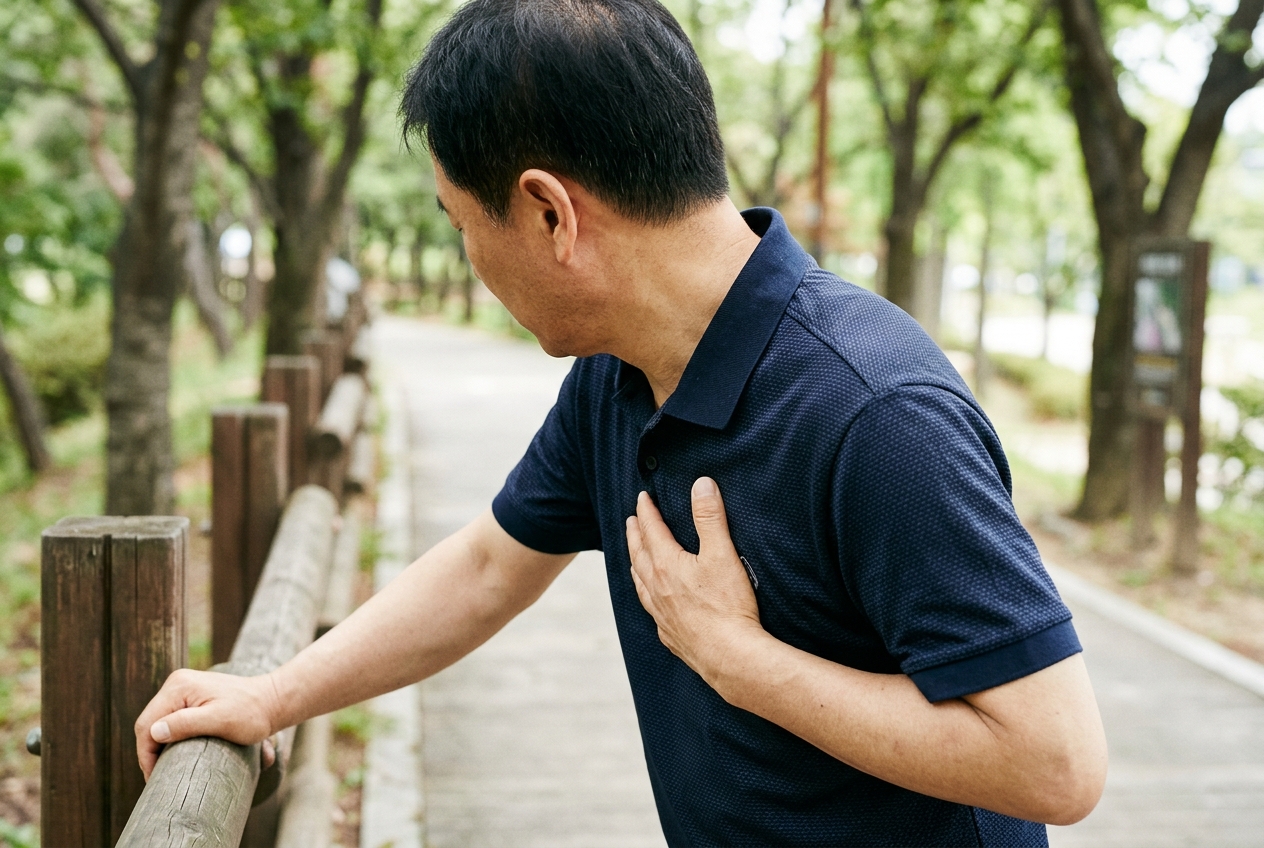
There are various signs that can appear as early symptoms of lung cancer. The most representative is the persistent cough mentioned earlier, followed by chest pain or shortness of breath. If cancer cells compress the airways, you may feel breathless, or you might experience shortness of breath when climbing stairs or doing light exercise, unlike your usual self.
Changes in Cough and Phlegm
If you suddenly develop phlegm when you usually do not, or if you experience hemoptysis (coughing up blood), you should visit a medical institution immediately. Bloody phlegm is one of the important warning signs of lung cancer. Additionally, as the inside of the bronchi narrows, you may hear a wheezing sound when breathing. While wheezing is common in asthma patients, if it occurs suddenly in adulthood, the possibility of a physical obstruction inside the lungs cannot be ruled out. If the color of the phlegm is red or rusty, an immediate imaging test is required.
Chest Pain and Systemic Symptoms
If you experience persistent dull pain in the chest area or pain when taking a deep breath, caution is needed. This may be a symptom that occurs when cancer cells irritate the chest wall. Also, unexplained weight loss, loss of appetite, and persistent, unexplained chronic fatigue can be warnings from your body. Lung cancer can sometimes present as a systemic disease; some patients feel pain radiating to the shoulders or back in addition to distinct chest pain. This may be referred pain caused by cancer cells in the upper lungs touching surrounding nerves, so do not dismiss it as simple muscle pain; if it does not improve with orthopedic treatment, consider visiting a pulmonologist. Additionally, although rare, symptoms such as clubbing (thickening of the fingertips) or facial swelling can occur, so you should carefully observe any systemic changes.
3. Self-Diagnosis Checklist for Lung Cancer Risk

Reflecting on your lifestyle and environment is the first step toward early detection. If many of the items below apply to you, you should actively consider consulting a specialist.
- Do you have a cough that has lasted for more than 3 weeks?
- Is there blood in your phlegm, or has its color changed?
- Is there a family history of lung cancer?
- Are you currently a smoker, or do you have a history of long-term smoking?
- Do you work in an environment exposed to harmful substances like fine dust, asbestos, or radon?
- Do you experience shortness of breath or intermittent chest pain?
- Has your voice changed, or has hoarseness lasted for more than 2 weeks?
- Have you experienced unexplained weight loss of more than 5kg within 3 months?
- Do you feel chest tightness or experience wheezing?
This checklist is not a diagnostic tool but an auxiliary indicator to help you recognize risks. If 2 or more of these items apply to you, it is recommended to consider regular chest screenings even if you have no symptoms. In particular, for those over 50 or those with a history of long-term smoking, getting screened every year regardless of symptoms is key to increasing survival rates. When assessing your risk, you should comprehensively consider not only your past medical history but also the ventilation status of your current living environment and occupational exposure.
4. Lifestyle Strategies for Lung Cancer Prevention
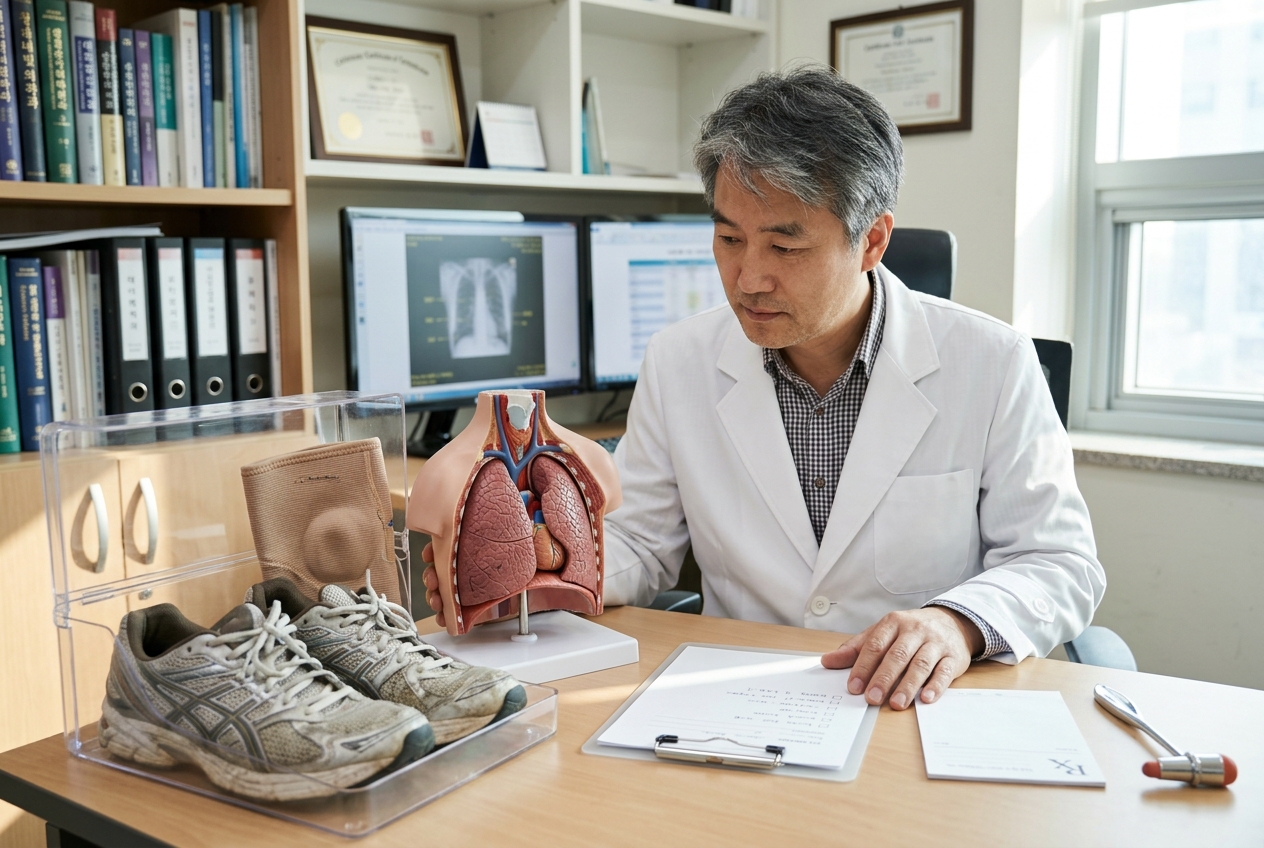
The most effective preventive measure is quitting smoking. Smoking is the leading cause of lung cancer, and both direct and secondhand smoke have a fatal impact on the lungs. Simply quitting smoking can significantly lower the risk of developing lung cancer. Also, environmental management, such as frequent indoor ventilation and refraining from outdoor activities on days with severe air pollution, is important. In particular, fine dust and harmful gases generated during cooking can negatively affect lung health, so using a range hood and opening windows should be a habit. Maintaining ventilation for at least 30 minutes after cooking is very helpful for improving indoor air quality.
A balanced diet and regular exercise can help boost immunity and suppress the proliferation of cancer cells. In particular, it is recommended to consume plenty of vegetables and fruits rich in antioxidants. Foods containing Vitamin C, E, and beta-carotene contribute to preventing cell damage. However, maintaining a healthy lifestyle does not mean the risk of lung cancer becomes 0%, so it cannot replace regular checkups. Exercise should focus on aerobic activities, and it is helpful to maintain lung capacity by consistently engaging in exercise that does not strain your cardiopulmonary function. Light walking or swimming for about 30 minutes, at least 3 times a week, is effective in strengthening lung function and maintaining overall health.
5. Precautions and Considerations for Screening
When visiting a hospital for lung cancer screening, you should provide detailed information about your smoking history and family history to the medical staff. Low-dose chest CT is known to be an effective tool for detecting early-stage lung cancer, so if you are in a high-risk group, it is wise to consult with a doctor to establish a regular screening plan. Even for healthy individuals, it is recommended to have a chest screening once every 1 to 2 years after the age of 40. It is best to get enough rest the day before the screening and avoid environments that may trigger respiratory symptoms on the day of the test.
If abnormal findings are discovered during the screening, there is no need to panic. It could be a simple nodule or an inflammatory reaction. The important thing is to immediately proceed with additional detailed tests to determine the direction of treatment early on. Remember that delaying tests due to vague fear is the most dangerous behavior. Lung cancer detected early can have a significantly higher cure rate through surgical treatment. With the development of modern medicine, various targeted therapies and immunotherapies have been introduced, so even if detected late, the range of treatment options is widening; therefore, it is necessary to maintain a hopeful attitude. During the treatment process, receiving collaborative care from pulmonologists, thoracic surgeons, and radiologists through a multidisciplinary care system is the best way to establish an optimal treatment strategy for the patient.
In conclusion, early symptoms of lung cancer are very subtle and difficult to distinguish from common illnesses. Therefore, rather than being complacent and thinking, 'I'm sure it's fine,' seeking a specialist to identify the exact cause if even a small, unusual signal persists is the most reliable safety net. Please do not forget that you are the first person who can notice your own health. Regular checkups are not just a process of finding a disease, but the most valuable investment to protect your healthy daily life. I encourage you to check your respiratory status right now and have the courage to visit a professional medical institution for a consultation if necessary.
Frequently Asked Questions
Does a long-lasting cough automatically mean lung cancer?
No, coughing is caused by various reasons such as colds, bronchitis, and allergies. However, if a cough persists for more than 3 weeks or is accompanied by hemoptysis, it may not be a simple cold, so an examination is necessary.
Can I get lung cancer even if I don't smoke?
Yes, even non-smokers can develop lung cancer due to secondhand smoke, fine dust, radon exposure, and genetic factors. In particular, there are quite a few female non-smoking lung cancer patients, so caution is needed.
Can lung cancer be diagnosed based on early symptoms alone?
It is impossible to diagnose cancer based on symptoms alone. An accurate lung cancer diagnosis is only possible through imaging tests such as chest X-rays or low-dose chest CT scans, and biopsies.
What is a low-dose chest CT?
It is a test method designed to detect lung cancer early while reducing radiation exposure compared to a standard CT scan. It is one of the standard tests recommended for high-risk lung cancer groups.