When planning a recent trip or purchasing Japanese products directly, the first thing you check is the yen exchange rate. While the yen is a very familiar currency to Koreans, its high volatility often makes it difficult to decide when it is advantageous to exchange money. It is important not just to look at exchange rate charts, but to establish a response strategy that fits your specific situation. This is because exchange rates are complex indicators that reflect not just numerical fluctuations, but the health and policy intentions of both countries' economies. In particular, since the value of the yen can change rapidly depending on the global economic situation, a systematic approach tailored to each individual's purpose is necessary.
Currency Exchange for Travelers: What Matters More Than Timing?
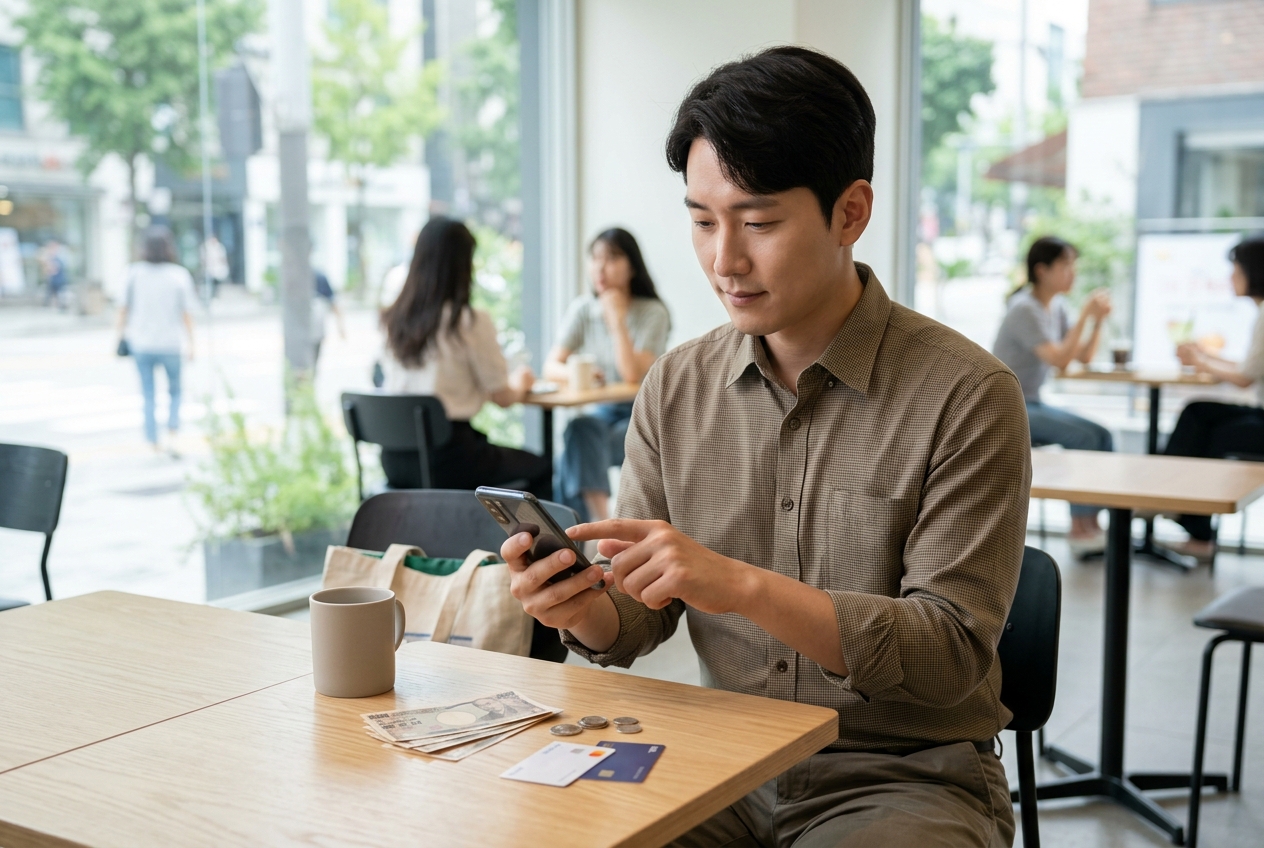
For those planning a trip to Japan, the biggest concern is, 'Should I exchange now, or wait for it to drop further?' In reality, for the scale of travel expenses, the impact of minor exchange rate fluctuations on the total budget may not be as significant as you think. Assuming you exchange 100,000 yen, a 5-won fluctuation in the exchange rate results in a difference of only 500 won. Therefore, rather than stressing over timing, it is much more economical for travelers to find ways to reduce fees.
Checking the currency exchange preferential rates on banking apps is the first step. Utilizing preferential coupons of 90% or more provided by your primary bank or specific platforms can drastically lower exchange fees. Recently, many people use foreign currency rechargeable cards like Travelog or Travel Wallet. These services have the advantage of applying real-time exchange rates with almost no fees, relieving the burden of carrying large amounts of cash. The wisest habit is to plan your spending at your destination in advance and exchange money in small amounts as needed. Also, don't forget to check in advance for fees or network charges incurred when withdrawing from local ATMs to prevent unexpected expenses. When using a card locally, paying in the local currency (yen) is the key secret to avoiding 'double currency conversion fees'.
Long-term Exchange Strategies for Students and Business Professionals
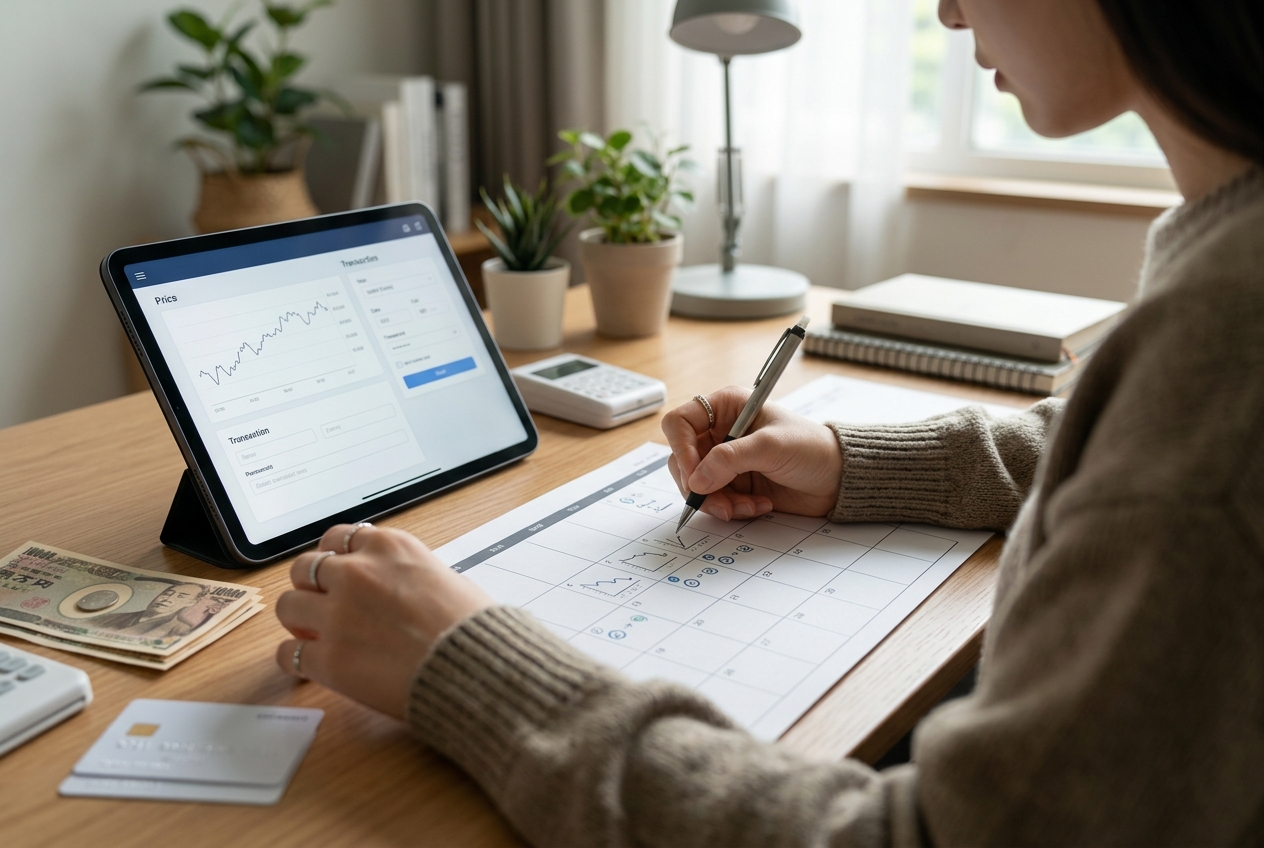
Unlike short-term travel, if you need to remit yen periodically for study abroad or business, your approach must be different. In this case, a 'split purchase' strategy is essential. Since no one can predict exchange rates, exchanging a large amount at once is like gambling. We recommend the 'Cost Averaging' method, where you exchange a fixed amount on a fixed date every month to lower the average purchase price. This method is excellent for reducing the risk of buying at a high point and offsetting market volatility over the long term.
Also, you should carefully compare remittance fees and telegraphic transfer selling rates. Since remittance exchange is often cheaper than general cash exchange, it is advantageous to use bank transfers if you do not need cash immediately. A key part of the strategy is to check in advance for regular remittance services or preferential benefits provided by financial institutions to reduce fixed costs. For long-term residents, if it is possible to open a local bank account, managing salary or living expenses directly in the local currency to minimize the number of exchanges is a core practical method for cost reduction. Additionally, when exchange rate volatility is high, flexibly adjusting the remittance timing to a more favorable time of the month is a good way to save costs.
Why You Should Be Cautious About Investing in the Yen
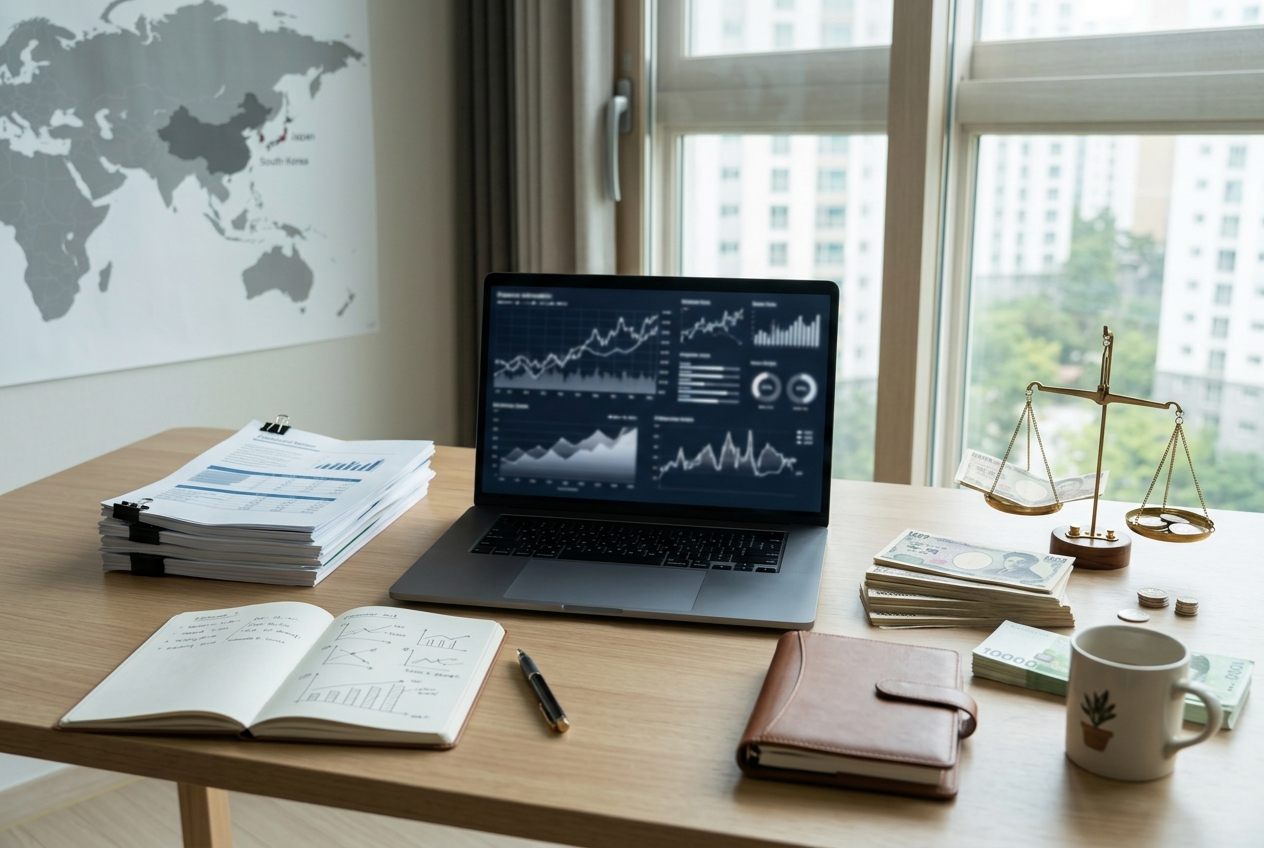
Investing in the yen to profit from exchange rate differences has recently attracted much attention. However, while the yen is classified as a safe asset, it is also influenced by unique economic conditions such as Japan's low-interest-rate policy. If you are considering investment, you should not approach it simply because the exchange rate is low. You must comprehensively consider changes in Japan's economic policy, the possibility of interest rate hikes, and its relative value against the Korean won. In particular, while the yen tends to strengthen during global economic crises, one must also examine structural factors such as Japan's internal debt problems and low birth rate and aging population.
Before investing, it is recommended to refer to Understanding Yen Exchange Rate Fluctuations: Basic Principles and Practical Exchange Guide to master the basic principles of exchange rate determination. Excessive leveraged investment can lead to significant losses in a volatile market, so approach it only at a level you can afford within your asset portfolio. Investment is a personal judgment and should be decided carefully according to your own economic situation. Also, since tax issues can vary depending on whether the invested asset is a cash-equivalent asset or yen-based stocks or bonds, an understanding of financial income tax should also be accompanied. In particular, since yen deposits may have low interest income, you must consider opportunity costs if your sole purpose is to profit from exchange rate differences.
Checklist to Verify When Exchanging Currency
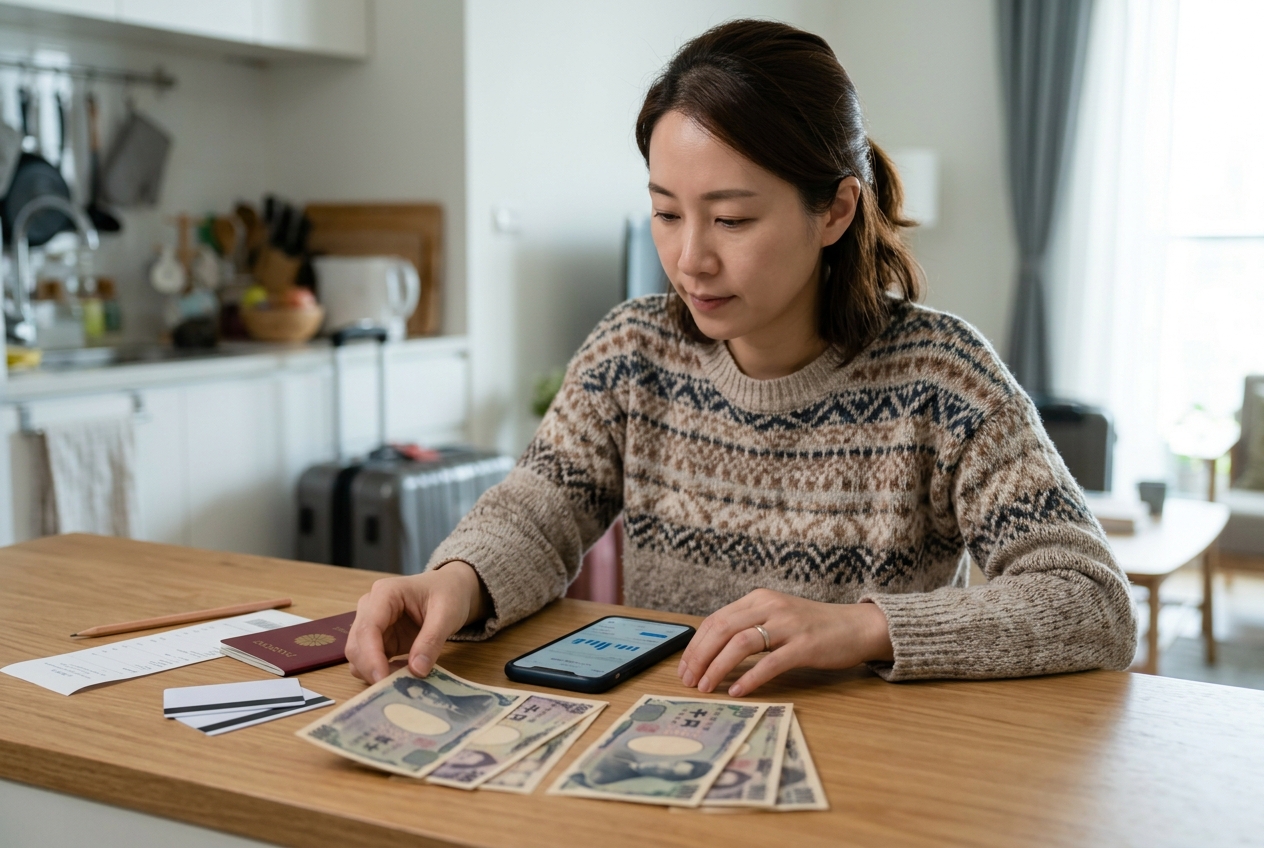
Before exchanging currency, checking the items below can help reduce mistakes.
- Check preferential exchange rates: Preferential rates in banking apps vary depending on the time and conditions.
- Compare transaction fees: Check the spread (difference) between buying and selling cash.
- Consider currency denominations: Mix small and large denominations appropriately for use at your destination.
- Utilize cards: Minimize cash holdings and check in advance for environments where card payment is possible.
- Verify financial information: Since exchange rates fluctuate in real-time, refer to data from financial authorities or reputable financial companies.
An additional thing to check is the 'available exchange hours'. While mobile apps allow 24-hour exchange, you must adhere to bank operating hours if you need to visit a branch. Also, since exchange booths at airports often have very high fees, it is much more advantageous to exchange at a city bank in advance. Bringing an ID is essential for large-scale exchanges, and depending on the amount exchanged, you should also look into additional benefits such as travel insurance provided by the bank. Finally, it is good practice not to throw away exchange receipts, as they may allow you to receive preferential rates when re-exchanging remaining yen back into won later.
Precautions for Currency Exchange and Financial Transactions
Exchange rate information fluctuates in real-time, and the information I provide is not an investment recommendation. Financial transactions are conducted at your own risk, and policies or fees may change depending on the bank's circumstances. In particular, be aware of financial crimes such as currency exchange fraud or voice phishing. You must avoid places that offer excessively high exchange rate preferences or induce transfers to personal accounts. It is always safe to use institutional financial institutions.
To summarize the most realistic responses by situation: travelers should actively utilize fee-preferential services, students should manage their average cost through split purchases, and investors should first study macroeconomic trends. Choosing the most efficient method that fits your purpose rather than being swayed by the exchange rate is the core of financial life. Finally, keeping leftover change for your next trip or utilizing electronic currency charging methods that allow you to spend even coins locally is a good method. Keep in mind that unnecessary cash holdings increase the risk of loss and can lead to a decrease in asset value due to exchange fees incurred when converting back to won later. From a long-term perspective, exchange rates eventually follow economic fundamentals, so it is most important to maintain a consistent attitude within your asset management plan rather than reacting too sensitively to short-term fluctuations.
Frequently Asked Questions
Is it a good idea to exchange yen now?
Since exchange rates fluctuate daily, there is no absolute answer. If your purpose is travel, find a method with a high fee preference rate; if your purpose is investment, we recommend split purchases according to your asset plan.
What are Travel Wallet or Travelog?
These are foreign currency rechargeable card services that allow you to exchange and pay without fees when traveling abroad. They are often more advantageous in terms of fees than exchanging cash directly.
How can I reduce yen exchange fees?
It is recommended to use preferential coupons from banking apps, utilize fee-free foreign currency charging cards, and check for preferential benefits by grade from your primary bank.
Should I invest in the yen if the exchange rate drops?
A drop in the exchange rate does not guarantee profit. You must consider Japan's interest rate policy and economic situation, and investment must be decided carefully at your own judgment.
What should I be careful about when exchanging cash?
It is important to check bank operating hours and reduce the risk of loss by combining card payments rather than holding too much cash.