Gold has maintained a unique position as a store of value for a long time. Whenever economic crises occur or currency values waver, gold prices tend to capture the attention of investors. However, for those considering gold investment for the first time, the daily price charts can feel complex and difficult. Let's take a step-by-step look at why gold prices change and how to approach them practically.
The Basic Principles of How Gold Prices Are Determined

Gold prices are not determined solely by the scarcity of the metal itself. The most significant factors are the value of the dollar and interest rates. Generally, when the value of the dollar falls, gold prices tend to rise because gold is perceived as a safe-haven asset that replaces the dollar. Additionally, interest rates are a crucial indicator for determining the appeal of gold. Since gold does not generate interest while held, lower market interest rates reduce the opportunity cost of holding gold, leading to increased demand and rising prices.
Of course, geopolitical risks and inflationary pressures are also major variables. When conflicts between nations deepen or inflation causes the purchasing power of currency to decline, people flock to gold as a tangible asset. Understanding these macroeconomic trends is the first step in reading gold price changes. To analyze this, market participants closely observe daily U.S. employment data, the Consumer Price Index (CPI), and the monetary policy direction of the Federal Reserve (Fed). In particular, gold's investment appeal tends to be maximized when real interest rates enter negative territory. Investors should cultivate a perspective that interprets the impact of these economic indicators on the gold market comprehensively, rather than just looking at the price numbers.
Checklist Before Starting Gold Investment
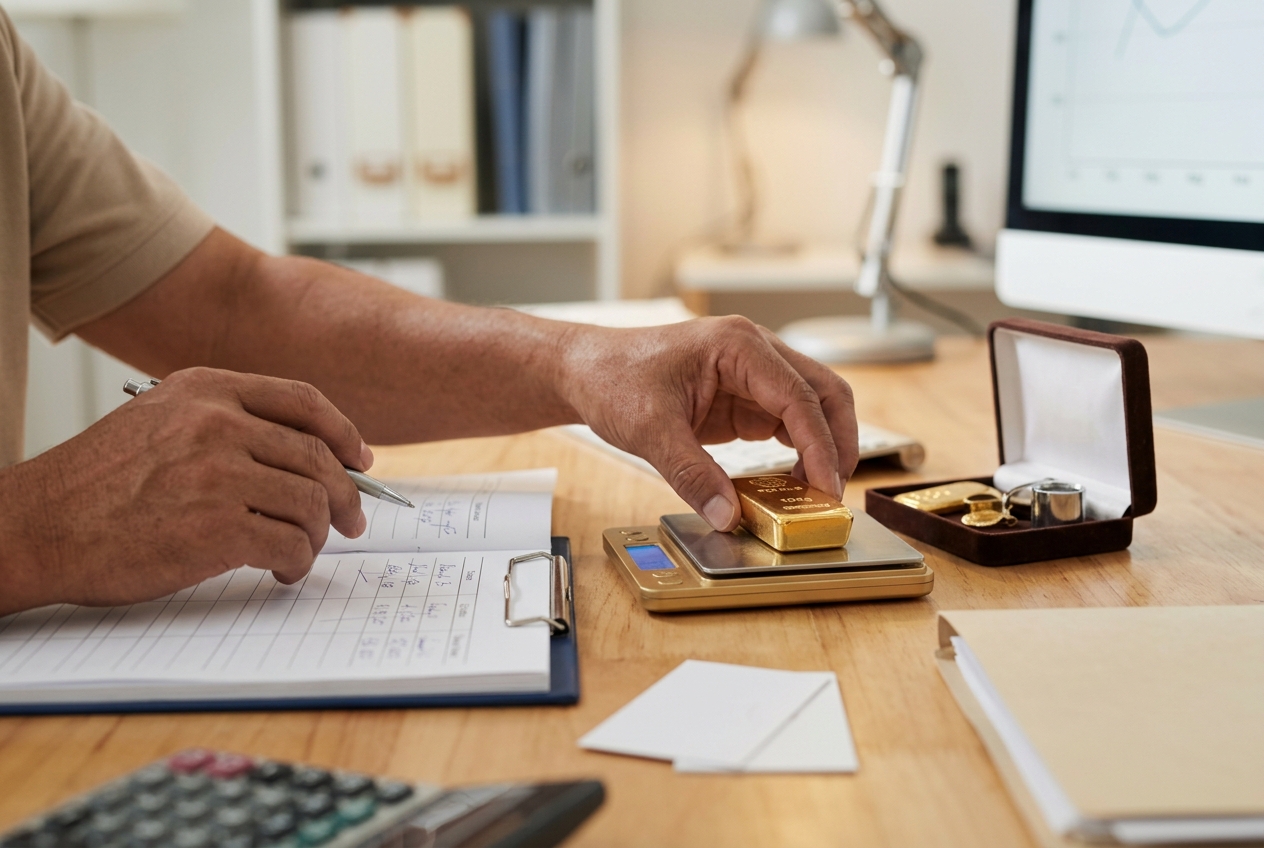
Before you start buying gold, you must clarify your investment purpose. Your approach will differ entirely depending on whether you are aiming for short-term capital gains or long-term preservation of a portion of your assets. It is also important to decide whether you will hold physical gold or track prices through financial products.
Physical gold offers the psychological stability of being able to hold it in your hands, but it incurs value-added tax (VAT) and fees upon purchase, and requires storage. On the other hand, financial products like gold bank accounts or ETFs allow for small-amount trading and high liquidity, but you may not be able to withdraw the physical asset, and management fees may apply. Compare the pros and cons of each method to find the best option for your situation. Before starting, it is recommended to set the proportion of gold in your overall asset portfolio. Experts often recommend a 5–10% allocation, which acts as a cushion to mitigate the volatility of the entire portfolio. If you find it difficult to decide on your own, identify whether your investment style is aggressive or conservative and simulate how much gold can contribute to your financial goals.
Precautions and Cost Structure for Physical Gold Trading

When purchasing physical gold from a jeweler or bank, the first thing to check is 'today's gold price.' Note the difference between the buying and selling price, known as the 'spread.' When buying gold, you pay a premium for craftsmanship and fees, and when selling, you receive a lower price. Because this gap is larger than you might expect, short-term trading is difficult to profit from. Therefore, it is reasonable to approach physical gold with the premise of holding it for at least 3 to 5 years.
Also, when purchasing 99.99% pure gold bars, you must ensure you have a certificate issued by a trusted institution. If you buy from an unverified source just because it is cheap, you may not receive its full value due to purity issues when you try to resell it. The 10% VAT incurred at the time of purchase is a significant cost, so it is wise to explore ways to reduce it in advance. For example, using the KRX Gold Market is preferred by many investors because it offers VAT exemptions and is tax-free on capital gains. Since physical gold carries the risk of loss, consider safe storage in a vault or a bank's safe deposit box service. If you own physical gold, it is also recommended to check if you have insurance coverage against fire or theft.
Step-by-Step Strategy for Utilizing Gold Price Volatility

Since gold prices fluctuate daily, a 'dollar-cost averaging' strategy is recommended rather than investing a large sum at once. Buying a fixed amount of gold at regular intervals helps diversify the risk associated with price fluctuations. You end up acquiring more when prices are low and less when they are high, which can help lower your average purchase price. This is the most stable method for general investors who find it difficult to react to market conditions daily.
A common mistake beginners make is panic-buying when prices spike. Gold is better approached as a supplementary tool to increase portfolio stability through asset allocation, rather than a speculative asset that fluctuates wildly like stocks. Attempts to perfectly predict market highs and lows are likely to fail. Instead, set a rule to buy mechanically at certain price levels and strictly adhere to it; this is the key to increasing long-term returns. Remember that gold investment has a strong 'insurance' character rather than short-term profit. When the market overheats, the self-discipline to stick to your investment principles determines your returns.
Making Wise Decisions in a Flood of Information
The internet is flooded with gold-related forecasts every day. However, even experts' opinions often conflict. The most important thing is to maintain an attitude of not being swayed by specific news or predictions. Do not forget the essence of gold as a long-term store of value. While it is good to have the habit of checking prices, it should not be the entirety of your investment. You must develop the ability to distinguish between noise and signals.
Keep up with gold-related news periodically, but train yourself to think about how it affects the macroeconomy. Additionally, doing the legwork to compare the actual fee policies of financial institutions or gold shops that support gold trading is very helpful. Cultivating the eye to read the value beyond the visible numbers is the true beginning of gold investment. Gold prices tend to rise when market fear is maximized, while the appeal of gold investment may decrease when the economy enters a stable phase. Understanding these cycles allows you to turn market volatility into an opportunity. When interpreting economic indicators, do not rely on a single piece of data; practice drawing a comprehensive picture centered on the four key axes: employment, inflation, interest rates, and exchange rates.
Conclusion: Consistency is the Key to Gold Investment
Gold prices are the result of complex economic indicators. Predicting them perfectly is nearly impossible. However, if you understand the characteristics of gold as an asset and execute your plan consistently according to your investment goals, it will be an excellent tool to enhance your asset's defensive strength. Rather than being greedy for large profits today, I recommend starting step-by-step with the mindset of building your asset's foundation. Investing is ultimately a battle with yourself, and gold investment will be a reliable companion that remains unchanged throughout that long journey. Remember that continuous learning and calm responses are the path to successful gold investment. If you maintain consistent interest, cool-headed judgment, and the principle of dollar-cost averaging, gold will become a solid pillar protecting your assets.
Frequently Asked Questions
Is it better to invest in gold for the short term?
Because gold involves high fees and taxes (such as VAT) upon trading, it is more advantageous to approach it from a long-term perspective as part of asset allocation rather than short-term trading.
Why do gold prices change every day?
International gold prices fluctuate in real-time based on the dollar value, U.S. Treasury yields, global economic conditions, and geopolitical risks, and these prices are reflected in the domestic gold market.
What should I be careful about when buying physical gold?
You should purchase from a trusted seller, ensure you receive a certificate of authenticity, and verify whether the fees and VAT incurred at the time of purchase are included in the total cost.
Which is better, a gold bank account or physical gold?
Physical gold offers the satisfaction of ownership and the benefits of a tangible asset, but it is difficult to store and costly. Gold bank accounts allow for small-amount investments and have high liquidity, but separate costs may apply when withdrawing physical gold.