One of the most talked-about brands in the global automotive market recently is undoubtedly China's BYD. Having started as a battery manufacturer and now emerging as the world's largest electric vehicle (EV) maker, BYD is rapidly expanding its market share through proprietary technology and a vertically integrated supply chain, going beyond simple price competitiveness. The Korean market is not immune to these global trends, and there is much debate over whether the arrival of BYD EVs will provide a new option for consumers or present challenges that need to be addressed. This article explores everything from the technical features of BYD EVs to practical checkpoints to consider upon their domestic introduction.
1. BYD's Growth Background and Vertical Integration Strategy
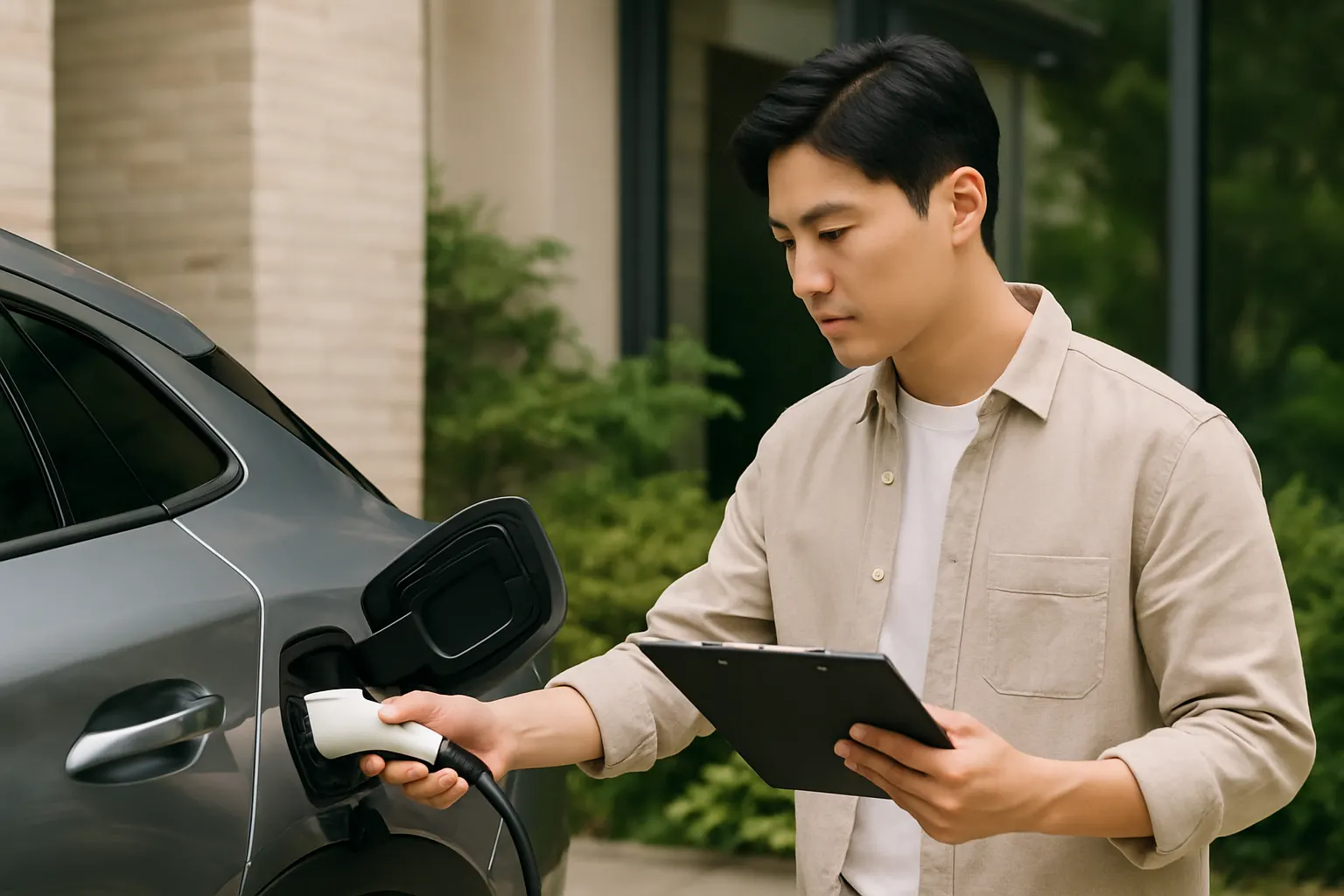
The key factor behind BYD's overwhelming success in the EV market is its near-perfect vertical integration. The capability to produce core components in-house—from battery cells and motors to power control units and automotive semiconductors—is a powerful weapon that other manufacturers find difficult to match. This structure allows for flexible responses to fluctuations in external supply chains and serves as a foundation for maximizing price competitiveness through cost reduction.
In particular, expertise in the battery sector is synonymous with BYD. The company is credited with not only leading the popularization of Lithium Iron Phosphate (LFP) batteries but also capturing both safety and energy density through its next-generation battery technology known as the 'Blade Battery.' This contributes to optimizing the efficiency of the entire vehicle, going beyond mere component supply.
For consumers, vertical integration leads to stability in parts supply. With a unified supply chain, the possibility of vehicle production delays is reduced, and because the manufacturer retains direct control over future maintenance and parts replacement, there is potential to establish a consistent service system.
2. Technical Features and Safety of the Blade Battery
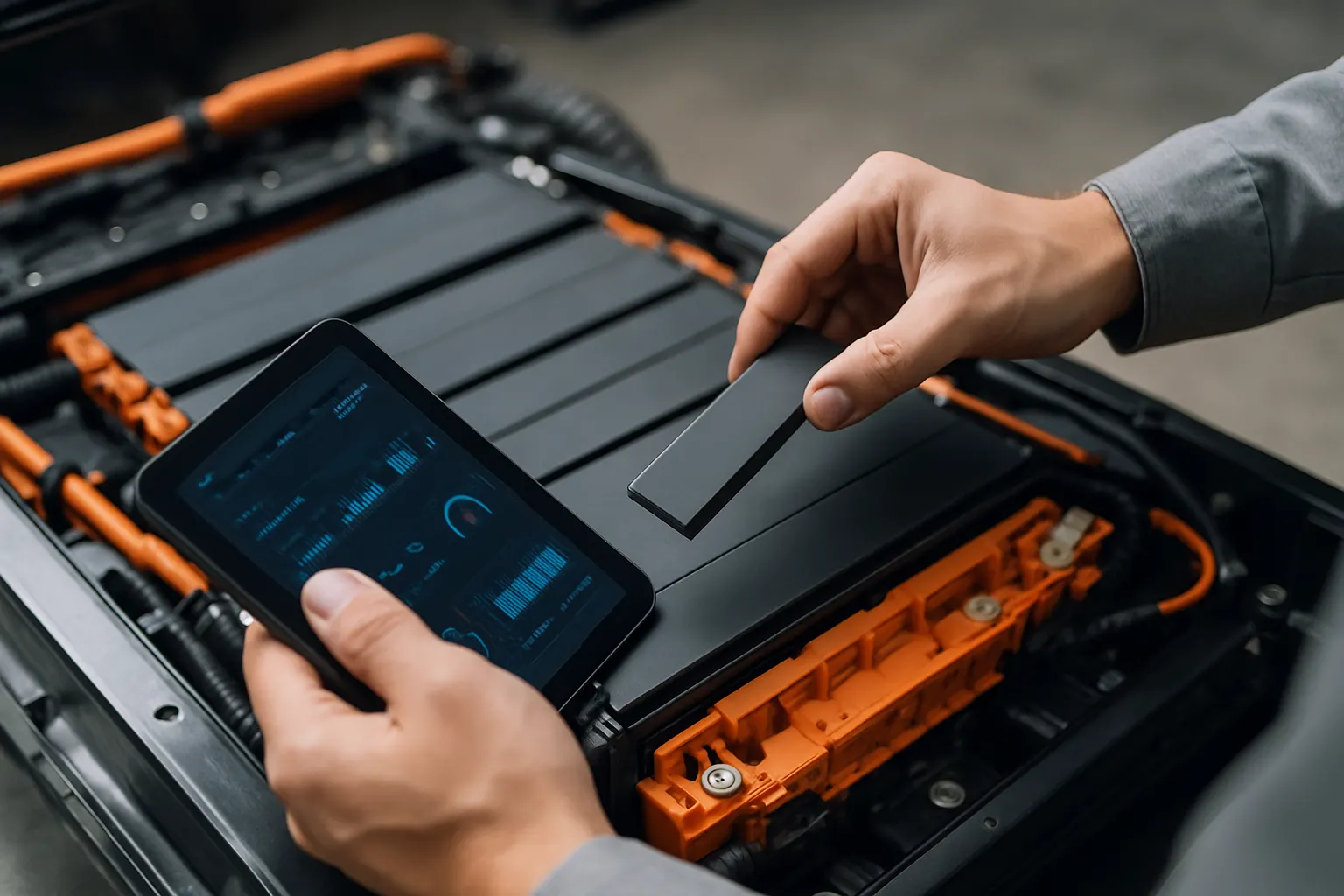
The biggest technical reason BYD is receiving global attention is the Blade Battery. While existing LFP batteries had the disadvantage of low energy density, BYD designed the battery cells in a thin, long, blade-like shape to maximize space efficiency. This increases energy density at the pack level and strengthens structural rigidity, dramatically reducing fire risks even in external impact or penetration tests.
Safety is the top priority for consumers when purchasing an EV. The Blade Battery is designed to suppress thermal runaway and monitors its status in real-time through integration with the Battery Management System (BMS). This is being accepted as a technical alternative for drivers who have vague anxieties about EV fires.
However, technical safety does not mean 100% flawlessness in actual accident situations. All EVs must account for the characteristics of high-voltage systems in the event of an accident, and the vehicle's physical structure must harmonize with the battery pack design. Therefore, before purchasing, it is necessary to check how the vehicle passed domestic safety standards and whether sufficient emergency response manuals are in place.
3. Price Competitiveness and Market Ripple Effect
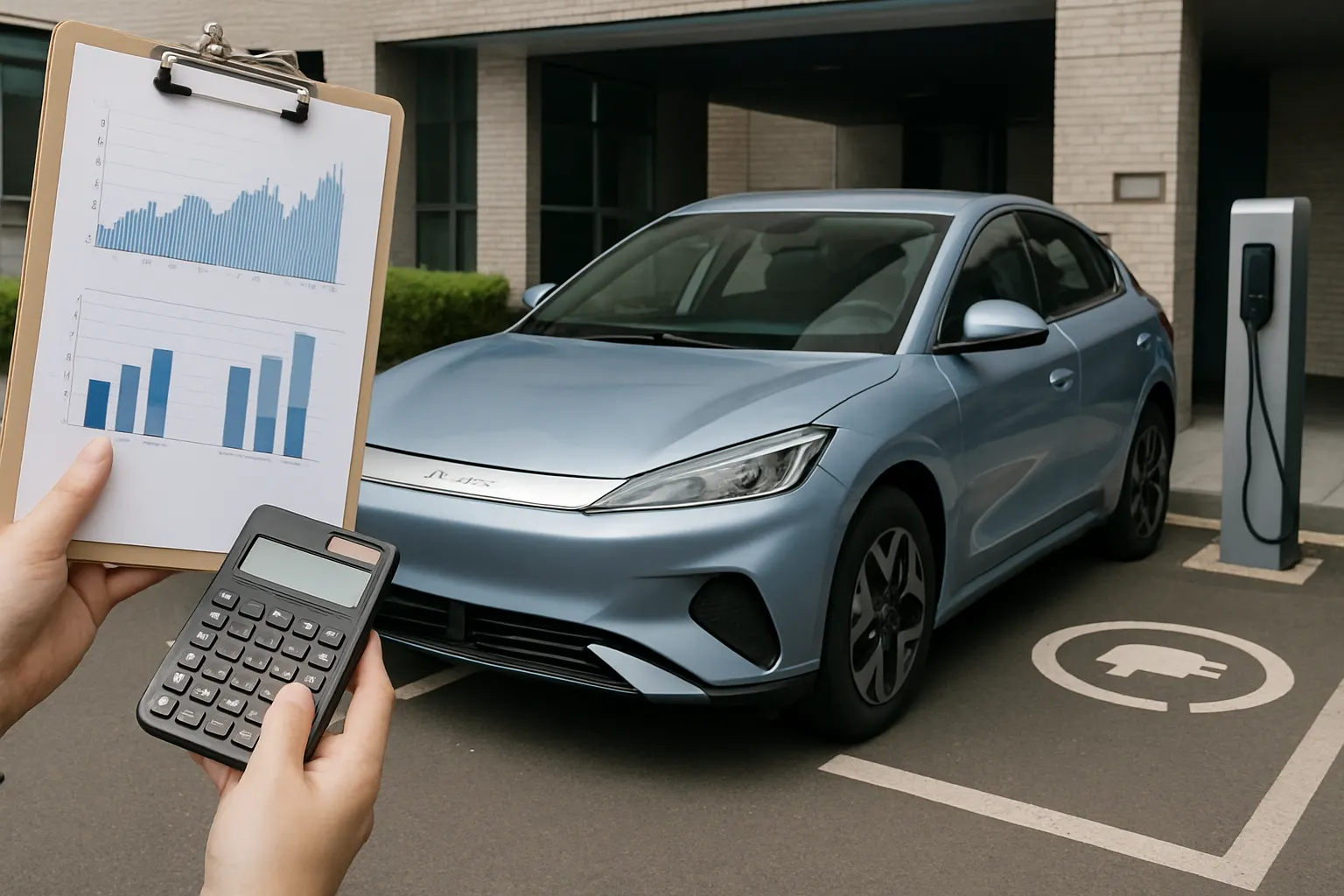
BYD's EV pricing is very aggressive in the global market. This is due to the aforementioned vertical integration, but also because of the economies of scale achieved through mass production. If they enter the Korean market, this price competitiveness will be a point of differentiation from existing domestic or imported EVs. Especially when considering subsidy benefits, the actual purchase price is likely to be very attractive to consumers.
While price is a key factor in purchase decisions, one should not judge the value of a vehicle solely based on a low price. The vehicle's fundamentals, driving range, software interface, and navigation and convenience features optimized for Korean road conditions are just as important as the price. One should compare from multiple angles whether there are compromises in material or finish quality due to the low price, and what the long-term value retention (used car depreciation) will be.
Furthermore, BYD's entry could affect the price structure of the domestic EV market. While a positive effect of wider consumer choice is expected, this could simultaneously induce changes in the pricing policies of existing brands. Therefore, consumers should establish criteria to coldly evaluate actual performance and value for money rather than brand loyalty.
4. Korean Road Conditions and Infrastructure Compatibility
While EVs use many globally common parts, adapting to different charging standards and road environments in each country is a separate issue. Korea's fast-charging infrastructure is built primarily around the DC Combo standard. It is crucial how BYD will support this charging standard when entering the domestic market and how it will resolve compatibility issues with domestic public charging networks.
Additionally, Korea's residential environment, characterized by many apartment complexes, often makes installing slow chargers difficult. Beyond the vehicle's charging efficiency, optimization in software aspects such as potential communication errors with domestic chargers and integration with payment systems is essential. Beyond simply bringing in cars, how deeply the brand can integrate into Korea's EV ecosystem will be the key to its success.
Users must check before purchase whether the manufacturer provides portable chargers or has plans to build a nationwide service center network. Purchasing a vehicle without sufficient infrastructure can lead to significant inconvenience in daily operation. In particular, one should carefully examine data on how battery efficiency changes in Korea's low winter temperatures.
5. Software and Infotainment Systems
Modern EVs are often called 'computers on wheels,' and software plays a significant role. BYD equips its vehicles with a proprietary infotainment system. While visually impressive and feature-rich, verification is needed regarding its integration with domestic-specific platforms familiar to Korean consumers, such as TMAP and KakaoNavi.
One of the biggest difficulties many global automotive brands face when entering the Korean market is the absence of Korean-style navigation and voice recognition services. For BYD, how much localized software it provides will be the key to determining the user experience. Beyond simple smartphone connectivity (Android Auto, Apple CarPlay), one should check how well the convenience features embedded in the vehicle system itself are refined for the Korean situation.
Checkpoint: Check for OTA (Over-the-Air) software update support and update frequency. Modern EVs see improved efficiency or added features through software improvements even after purchase. It is advisable to look at the manufacturer's update policy to see if continuous after-sales management is possible.
6. After-Sales Service (AS) and Parts Supply System
A car is a durable good used for at least 5 to 10 years once purchased. Therefore, after-sales service is just as important as the initial purchase price. If BYD enters the Korean market, it must secure a service network by region, similar to the service center methods operated by existing imported car brands.
While EVs have fewer parts to maintain than internal combustion engine vehicles, maintenance related to battery management or high-voltage systems requires specialized skills and equipment. If parts supply is not smooth and repair times become long, driver inconvenience will be maximized. How efficiently BYD's parts logistics center can operate in Korea will determine the quality of after-sales service.
Before signing a vehicle contract, consumers must check if there is an official service center near their residence or how emergency roadside assistance is operated. More important than brand recognition is how quickly and accurately you can receive service when your car breaks down. This is a very realistic issue directly linked to insurance premium calculations and used car residual value.
7. Value Assessment in the Used Car Market
The value of a used EV varies significantly depending on battery life. While BYD EVs have high price competitiveness in the new car market, depreciation can be steep in the used car market if brand awareness and an after-sales service system are not established. In particular, how the battery performance warranty period is set and whether the warranty is transferable determines competitiveness in the used car market.
To maintain high used car value, the manufacturer's brand trust is important. If there is uncertainty about how long BYD will stably operate in the Korean market, this could lead to low used car prices. Therefore, when purchasing, one should carefully review conditions such as lifetime battery warranties or long warranty periods provided by the manufacturer.
Actionable advice: It is recommended to look at the depreciation rates of existing vehicles from the brand, even if indirectly, through used car platforms or communities. Also, whether a battery health diagnostic system is well-equipped and if there is a standardized way to check the State of Health (SOH) during used car transactions are important considerations.
8. EV Subsidies and Policy Response
Korea's EV subsidies change their criteria every year and are calculated by comprehensively considering not only the vehicle price but also safety technology and after-sales management systems. Whether the models BYD launches domestically can meet these subsidy criteria is a policy variable. Since subsidies play a decisive role in lowering the actual purchase price, whether or not one can receive them is a top priority in vehicle selection.
The government's subsidy policy considers both the protection of the domestic industry and consumer safety. Therefore, manufacturers may need to equip higher levels of safety features as standard to meet the requirements of the Korean government. While this could be a factor in price increases, it could ultimately serve as an opportunity to provide consumers with safer vehicles.
Precautions: Subsidies may end early if the budget is exhausted. When planning a vehicle purchase, check the subsidy announcement for that year and grasp the remaining subsidy status by local government. Also, it is wise to set a financial plan while always keeping in mind the possibility of discriminatory policies or changes regarding specific brands.
9. Rational Selection Criteria as a Consumer
In conclusion, the introduction of BYD EVs is a positive signal that increases market diversity. However, rather than being buried in technical superiority or price competitiveness, one needs the ability to judge for oneself whether the vehicle fits one's lifestyle and driving environment. One should not forget that a vehicle is an asset directly linked to safety, beyond being a mere means of transportation.
Readers considering a purchase should ask themselves three questions: First, is charging smooth in my residential environment? Second, are there sufficient official service centers nearby? Third, is the battery warranty period reasonable? Only when you can find clear answers to these three questions can you make a choice without regrets.
Also, as a brand introducing new technology, it is one strategy to purchase after sufficient market verification rather than buying the initial model. The more information you have about a car, the better choice you can make. By synthesizing reviews from various users and analyses from experts, please judge based on actual performance and the quality of after-sales service rather than brand reputation.
※ This content provides general information and does not recommend or guarantee the purchase of any specific vehicle. As automotive-related policies and technical specifications can change frequently according to official manufacturer announcements and government policies, please be sure to check the latest announcements and official manuals when actually purchasing.
For financial consultations, legal disputes, or serious defects related to EV purchases, it is safe to consult with experts in each field.
Frequently Asked Questions
When is the official launch date of BYD electric vehicles in Korea?
BYD is continuously preparing to enter the Korean market, but the official launch date may vary depending on the manufacturer's strategy and government certification procedures. It is most accurate to check the official schedule announced through the official website or media reports.
Are BYD batteries safe from fire?
BYD's Blade Battery is evaluated as having reduced fire risk by adding structural rigidity to the inherent safety of LFP batteries. However, since all EVs have high-voltage risks in the event of an accident, it does not mean they are perfectly flawless. For safety, make it a habit to check the Battery Management System (BMS).
Won't repairs be difficult if there are not enough AS centers?
Due to the nature of imported car brands, building initial infrastructure is important. Before purchasing, you must check for the presence of official service centers near your residence and whether emergency roadside assistance is supported. If the after-sales service network is insufficient, you may experience great inconvenience in maintenance.
Can BYD electric vehicles also receive Korean EV subsidies?
EV subsidies are paid only if the vehicle meets criteria set by the government, such as vehicle price, safety technology, and after-sales management capability. Whether the vehicles to be launched meet domestic subsidy payment criteria can only be accurately known by checking the government announcement at the time of launch.