When you do not own a car or find yourself in a situation where you need to borrow someone else's vehicle, the first thing you worry about is insurance. If you usually rely on public transportation but suddenly need to go on a long-distance trip or drive an acquaintance's car, you may feel psychological and financial anxiety if you do not have car insurance. This is where '1-day car insurance' becomes useful. This content covers practical information in detail, from the definition of 1-day car insurance and the sign-up process to the differences from the often-confused short-term driver expansion special contract.
Financial and insurance products can vary significantly in coverage and premiums depending on the terms and conditions at the time of sign-up and individual circumstances. Therefore, this information is provided for general guidance purposes. When actually signing up, we recommend that you check the specific product terms through the insurance company's official website or call center and choose the optimal product for your situation.
1. What is 1-Day Car Insurance (On-Day Insurance)?

1-day car insurance is, as the name suggests, a short-term car insurance product that can be purchased on a daily basis. Typically, you can set the desired period from 1 day up to a maximum of 7 days. The biggest feature is that you can easily sign up via a mobile app just before driving someone else's car, even if it is not your own. Since it often takes effect immediately upon sign-up, it serves as an essential safety device in situations where you need to borrow a vehicle urgently.
Unlike general car insurance, which is renewed annually, this product is economical because you only pay for the time you need. Coverage often includes bodily injury, property damage, self-injury, and even the cost of restoring another person's vehicle (vehicle damage). However, since coverage items and limits vary by insurance company, you should carefully check the options you select when signing up. In particular, whether it covers accidents that occur when borrowing a private vehicle rather than a rental car is key.
This insurance premium is calculated based on the driver's age and driving experience. When signing up, you must accurately enter the driver's license information, and since it does not automatically extend after the coverage period ends, you must go through the sign-up process again if additional driving is required. Also, some insurance companies limit the vehicles eligible for coverage, so the first step is to check whether the vehicle you intend to drive meets the insurance company's conditions.
2. Differences from the Short-Term Driver Expansion Special Contract
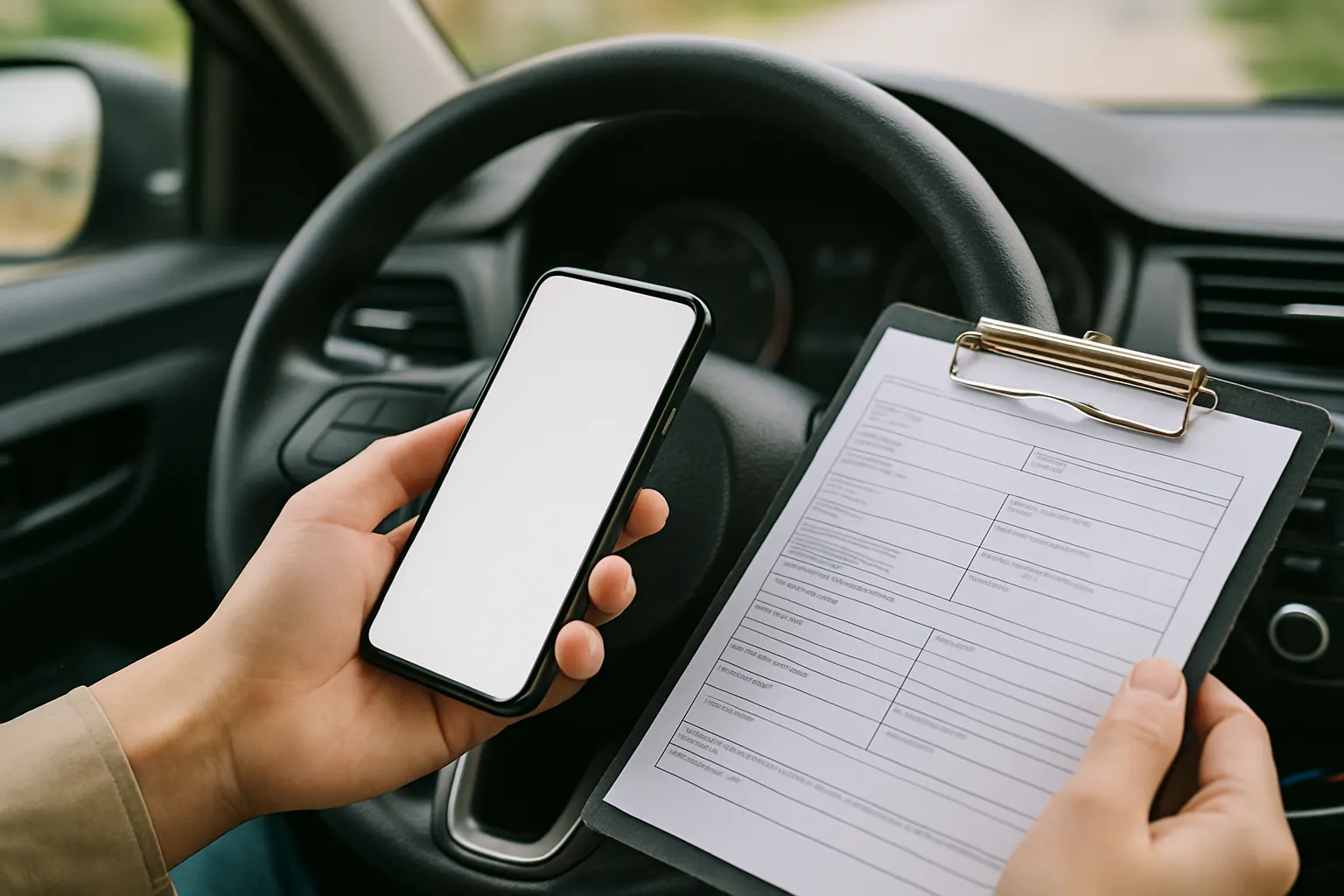
Many drivers confuse 1-day car insurance with the short-term driver expansion special contract. While the two products have similar purposes, there are decisive differences in who signs up and how coverage is provided. The short-term driver expansion special contract is a special clause that the 'vehicle owner' adds to their own car insurance. In other words, the owner contacts the insurance company in advance to expand the coverage range so that others can be covered while driving for a specific period.
On the other hand, 1-day car insurance is a policy that the 'person who will drive' signs up for directly. Therefore, there is no need to contact the owner to ask them to add a special contract, and the driver can sign up immediately under their own responsibility. Recently, due to the development of mobile platforms, the demand for 1-day insurance has been steadily increasing because of the convenience of being able to sign up immediately just by entering the vehicle number.
In the case of the short-term driver expansion special contract, the insurance often takes effect from 0:00 the day after sign-up, which can make it difficult to apply if you need to drive urgently on the same day. Conversely, many 1-day car insurance products take effect immediately upon sign-up, making them advantageous for urgent responses. However, in terms of coverage limits, the short-term driver expansion special contract may be more comprehensive because it is based on the owner's existing insurance. Your selection criteria should depend on whether your situation is 'planned driving' or 'sudden driving'.
3. Checklist to Check Before Signing Up
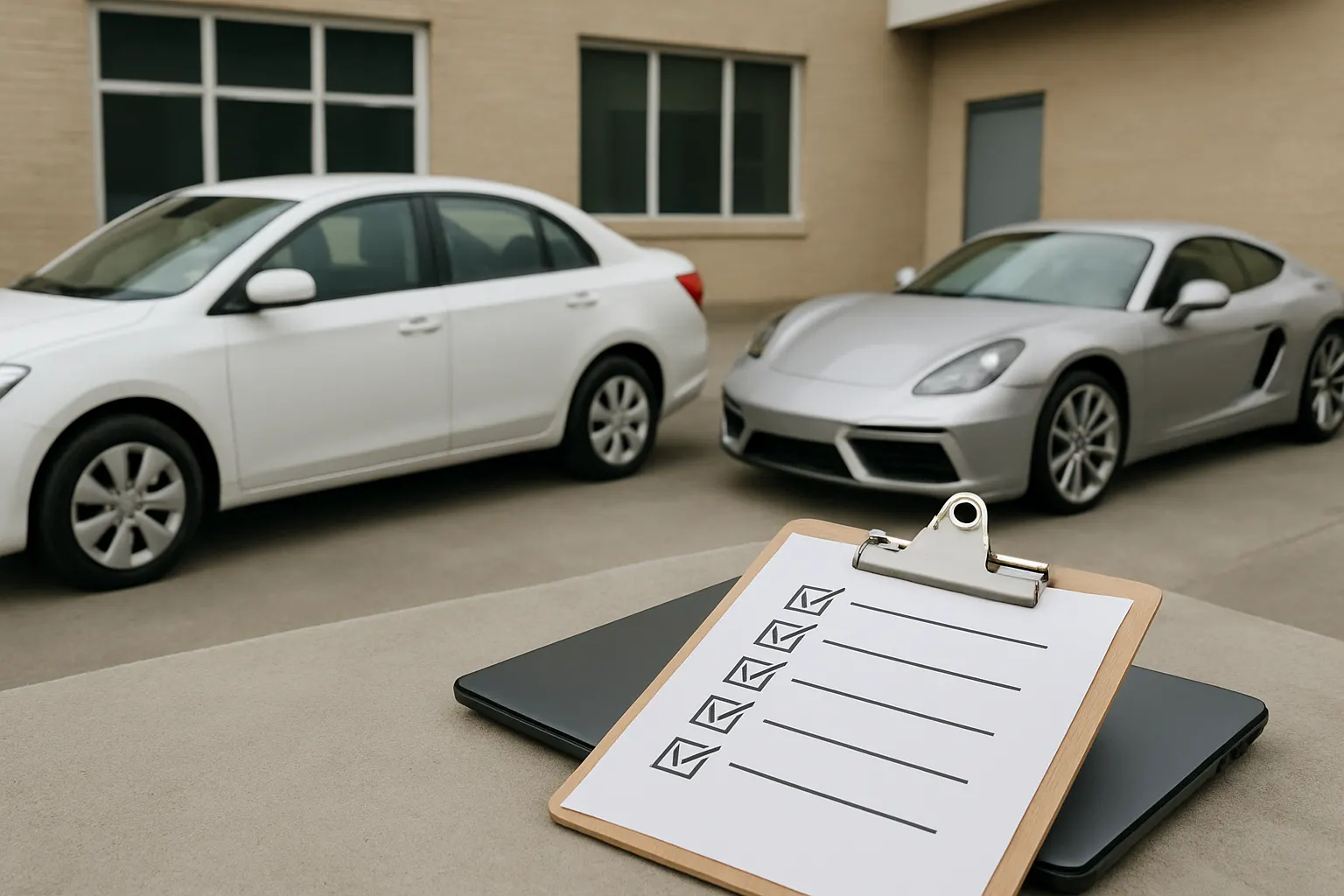
Before signing up for 1-day car insurance, you must check several essential items. First, the coverage limits for 'property damage' and 'own vehicle damage'. You need to check whether it covers not only the cost of repairing another person's vehicle in the event of an accident but also the repair costs for the vehicle you were driving. Some cheaper products may exclude own-vehicle damage coverage or have high deductibles set in the event of an accident.
Second, whether there are restrictions on the eligible vehicle. Some insurance companies may refuse or limit coverage for imported cars, expensive sports cars, or vehicles that are too old. Third, the eligible age and driving experience. If you are under 21 or have not held a driver's license for a certain period, sign-up may be restricted. Fourth, whether it is a 'corporate vehicle' or 'commercial vehicle'. Most 1-day car insurance policies are for private passenger cars, and business or rental cars may require separate insurance arrangements.
Finally, check for overlapping coverage. If you already maintain other car insurance or if your credit card benefits include driver insurance-related items, unnecessary expenses may occur due to duplicate coverage. However, since liability for damages that occur when driving someone else's car is often not covered by existing insurance, it is wise to compare the terms and conditions in detail.
4. Sign-up Process and Step-by-Step Execution
The sign-up process is mostly very simplified. First, install the insurance company's mobile app on your smartphone or access the website. Then, select the '1-Day Insurance' or 'Short-Term Driver Insurance' menu. When you enter the vehicle number, the vehicle's information is automatically retrieved, and you will go through an identity verification process.
Next, set the insurance coverage period. It is common to select a start date and an end date rather than hourly units. After selecting the period, choose the coverage details. If the product allows you to adjust the limits for bodily injury, property damage, and own-vehicle damage, set appropriate limits considering your driving skills and the value of the vehicle. The premium is calculated in real-time and displayed on the screen.
At the payment stage, you can use various convenient payment methods such as credit cards, bank transfers, and Kakao Pay. Once payment is complete, the insurance policy is immediately sent to your mobile device. Since this policy serves as evidence for insurance processing in the event of an accident, it is recommended to save it on your phone or take a screenshot. It is important to have the habit of checking one last time that the information entered during the sign-up process matches the actual vehicle information.
5. Accident Handling Process and Response Tips
If an accident occurs during the insurance period, do not panic and report the accident to the insurance company's call center immediately. Having the policy number or sign-up information issued at the time of sign-up ready will speed up the process. At the accident scene, you must take photos from various angles, exchange contact information with the other party, and record the situation at the scene.
The insurance company provides on-site dispatch services after the accident is reported. When the dispatched agent arrives, explain the circumstances of the accident and follow the insurance company's instructions for subsequent measures. Even after the accident is handled, 1-day car insurance involves the insurance company acting on your behalf for settlements with the victim or payment of vehicle repair costs, so you should not engage in direct financial transactions. All accident handling must be conducted through the insurance company to avoid disadvantages later.
Note that the accident reporting method or the scope of emergency dispatch services may vary by insurance company. Before signing up, it is good to check whether the insurance company operates a 24-hour accident reporting center and whether prompt dispatch is possible in rural areas. Also, always keep in mind that coverage may be refused in cases of exclusions defined in the insurance terms, such as drunk driving or driving without a license.
6. Criteria for Comparing Service Quality by Insurance Company
While low premiums are important, how quickly and kindly the company responds in the event of an accident is also an important criterion for choosing an insurance company. By referring to the complaint disclosure data from the Korea Consumer Agency or the Financial Supervisory Service, you can identify cases of dissatisfaction or complaint rates for each insurance company. Recently, there is a trend toward preferring insurance companies that are well-equipped with digital services that allow you to check everything from accident reporting to processing status in real-time within the app.
Also, the connection speed of the call center and the professionalism of the consultants cannot be ignored. If you cannot connect with a consultant at an urgent accident scene, it can cause great stress. Therefore, if possible, choosing a product from a well-known, large insurance company can be stable. Comparing products from various insurance companies at a glance through price comparison sites or apps and checking reviews for each company is also a good strategy.
Finally, the additional services provided by each insurance company may vary. For example, check if towing service distance limits, rental car support, or legal expense support special contracts are included. Small differences can be a big help when handling an accident. Rather than insisting on the lowest-priced product, it is wise to prioritize whether the coverage necessary for your driving environment is fully included.
7. Situations Where 1-Day Car Insurance is Essential
In what cases is 1-day car insurance most effective? First, when going on a trip by borrowing a vehicle from parents or acquaintances. If it is cumbersome for the owner to change their insurance, it is cleanest for the driver to sign up directly. Second, for the short travel time when purchasing a used car and bringing it home. It is good to check in advance as it may be possible to sign up even with a temporary license plate attached.
Third, when using a rental car. When you feel that the insurance (own-vehicle damage waiver product) provided by the rental car company is insufficient, you can use it to expand the coverage range. Fourth, when a beginner driver practicing driving takes lessons with their parents' car. As the risk of accidents is high, preparing for the unexpected through 1-day insurance is a way to prevent family discord.
As such, 1-day car insurance is a useful tool that relieves driver anxiety in various situations. Signing up for insurance that fits the situation is not an option but a necessity. Especially since you are driving someone else's property, you need to be thoroughly prepared so as not to cause harm to the owner due to your own negligence. If you familiarize yourself with the sign-up method in advance, you can secure safety immediately without panicking when needed.
8. Precautions and Conclusion
The last point I want to emphasize is the fact that 'insurance is not a cure-all'. Just because you have signed up for insurance does not mean you can speed or drive recklessly. Rather, insurance is just the final safety net based on safe driving. Also, if the information entered during sign-up is different from the truth (e.g., lying about the driver's age or entering license information incorrectly), coverage may be refused in the event of an accident, so you must enter all information honestly.
Also, you must be accurately aware of the time the insurance period ends. If you think your driving time will be longer than expected, you should extend it through the app or sign up for additional coverage before the insurance period ends. Accidents that occur after the insurance period ends cannot be covered. Properly utilizing 1-day car insurance is a basic skill for a smart driver.
In summary, 1-day car insurance is an excellent product that can capture both convenience and economy. Based on what we have covered today, I hope you make the best choice for your situation. While a car is a convenient means of transportation, it can cause significant financial loss in the event of an accident. Always practice defensive driving, and when necessary, do not hesitate to secure safety through 1-day car insurance. Correct information will protect your safe driving journey.
This information is written for general guidance, and you must review the latest terms and conditions of each insurance company when actually signing up for insurance. Decisions regarding financial products should be made under your own responsibility, and it is recommended to seek expert advice if necessary.
Frequently Asked Questions
Does 1-day car insurance take effect immediately upon sign-up?
Most 1-day car insurance policies take effect immediately after sign-up is completed via mobile. However, since product regulations may vary by insurance company, please be sure to check the insurance effective start time displayed on the screen when signing up.
If an accident occurs while driving someone else's car, will the owner's insurance premium also increase?
If you have signed up for 1-day car insurance (on-day insurance) and an accident occurs, it is handled by the insurance you signed up for, so in principle, it does not affect the surcharge of the owner's existing car insurance premium. However, for damages exceeding the coverage limit, the owner's insurance may be used supplementarily, so it is important to set sufficient limits when signing up.
Are there restrictions on the vehicles that can be insured?
Yes, there are restrictions on the type, model year, and vehicle type eligible for coverage by each insurance company. Generally, most private passenger cars can be insured, but imported cars, expensive vehicles, or commercial vehicles may be refused, so it is accurate to enter the vehicle number and check before signing up.
Which is better, the short-term driver expansion special contract or 1-day insurance?
If it is planned driving, the 'short-term driver expansion special contract' that the owner signs up for directly may be advantageous in terms of coverage scope. On the other hand, if you need to drive suddenly or it is difficult to ask the owner, '1-day car insurance' is much simpler and more efficient.
Can I extend the period after signing up for insurance?
It is difficult to modify the period of an already signed-up insurance policy in the middle. If you expect the period to be insufficient, it is better to sign up for a new one before the existing insurance ends or to set a sufficient period when signing up.