Have you ever felt a sharp pain in your heel when taking your first step in the morning? Many people easily dismiss it as simple fatigue, but it could be a signal from your body indicating plantar fasciitis. Plantar fasciitis is a condition where the plantar fascia—a strong band of tissue that supports the arch of the foot and absorbs shock—develops micro-tears, leading to inflammation and pain. It is one of the most common foot ailments in modern society, and if left untreated, it can lead to changes in walking habits, causing pain to spread to the knees, pelvis, and lower back. Therefore, early response is paramount.
What is Plantar Fasciitis?
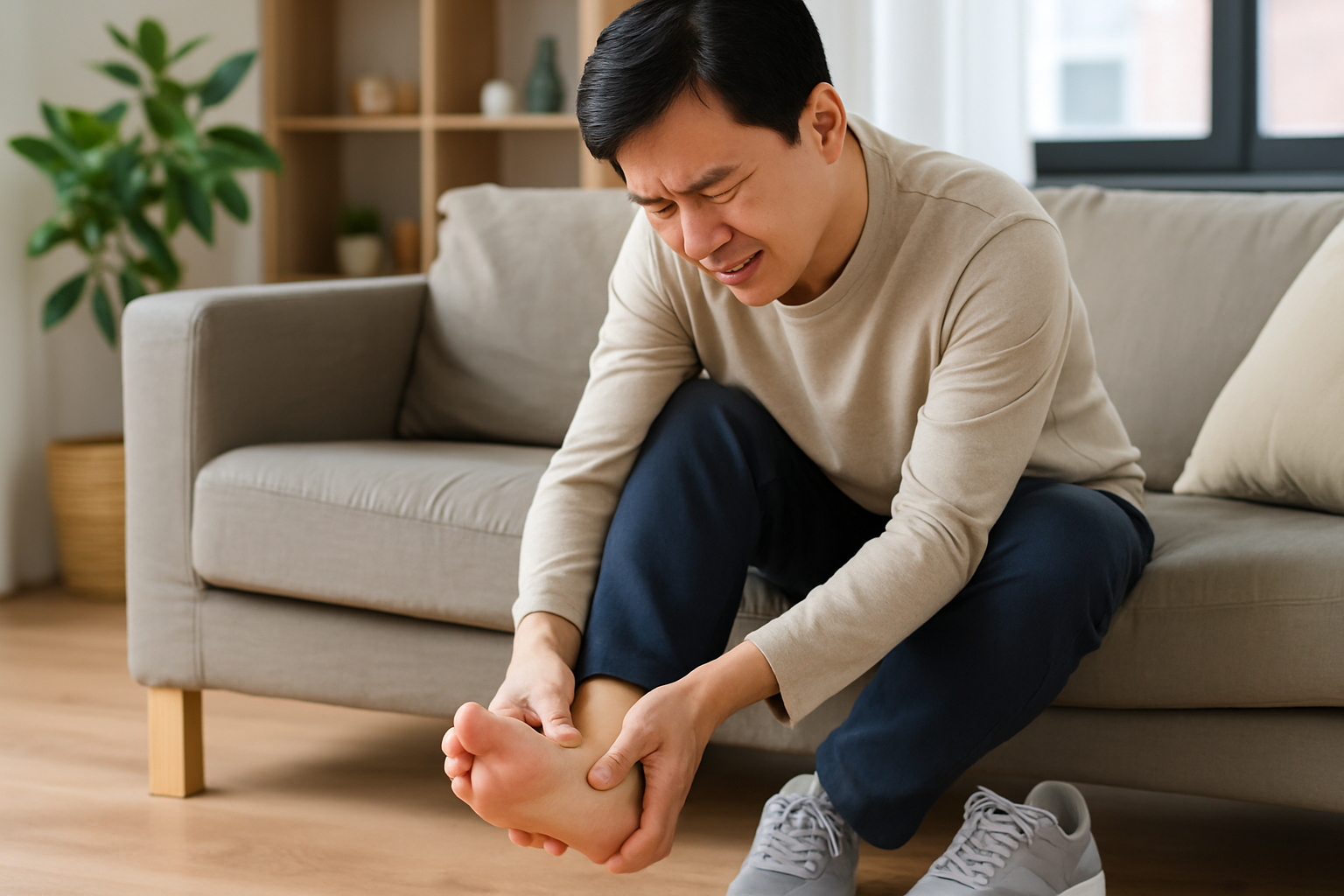
The plantar fascia is a thick, wide fibrous tissue that runs from the heel bone to the base of the toes. This tissue acts like a spring, supporting the arch of the foot and absorbing the shock generated when we walk or run. Plantar fasciitis refers to a state where this tissue suffers repetitive micro-damage, resulting in inflammation and pain. While the word "inflammation" might lead some to mistake it for an acute illness, it is often a degenerative change that occurs over a long period as the tissue undergoes transformation and loses its elasticity.
Plantar fasciitis is one of the most common causes of heel pain. It is not limited to a specific age group or occupation, affecting everyone from highly active individuals to those with sedentary lifestyles. Initially, pain may appear intermittently, but as it becomes chronic, even daily walking can become difficult. Understanding your foot condition and recognizing the symptoms is the first step toward management.
Checkpoints: You may suspect it if you experience pain during the first step in the morning, stiffness when starting to move after being still, or severe pain when pressing the inside of the heel. If these symptoms persist, it is safest to consult a medical professional for an accurate diagnosis. The intensity of symptoms varies by individual; rather than judging solely by pain, it is helpful to record the nature of the pain (sharp, throbbing, etc.) and its duration for your medical consultation.
Major Causes of Plantar Fasciitis
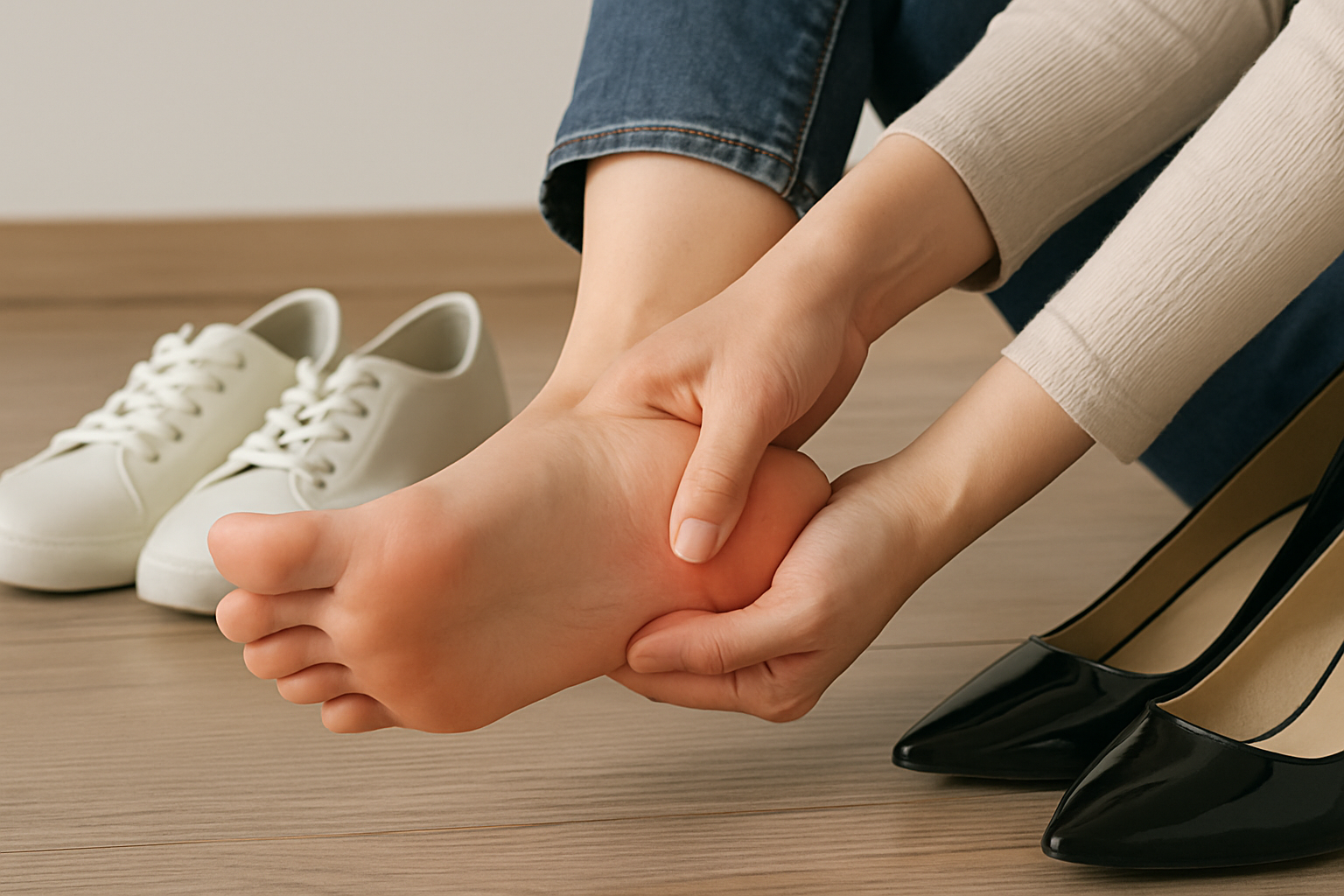
There are various causes for plantar fasciitis, and usually, multiple factors work in combination. The most common cause is the overuse of the feet. If someone who does not usually exercise suddenly starts intense marathon training or hiking, or works standing on hard floors for long periods, the load on the soles of the feet increases dramatically. Shoe choice also has a significant impact. Shoes with soles that are too hard, lack cushioning, or high heels that do not properly support the arch increase stress on the plantar fascia.
Weight change is another factor that cannot be ignored. Rapid weight gain increases the load the feet must support, raising the pressure on the plantar fascia. Conversely, structural foot problems are also a cause. In cases of flat feet or high arches (pes cavus), the shock-absorption function of the foot is lower than average, making the plantar fascia prone to abnormal pulling and damage. Because it occurs due to a combination of lifestyle habits and physical characteristics, it is necessary to check your usual walking habits. In particular, if you consistently walk in a way that puts excessive load on the heel rather than having the entire sole touch the ground, the likelihood of repetitive micro-tears in the fascia is high.
Risk Factors and Lifestyle Habits
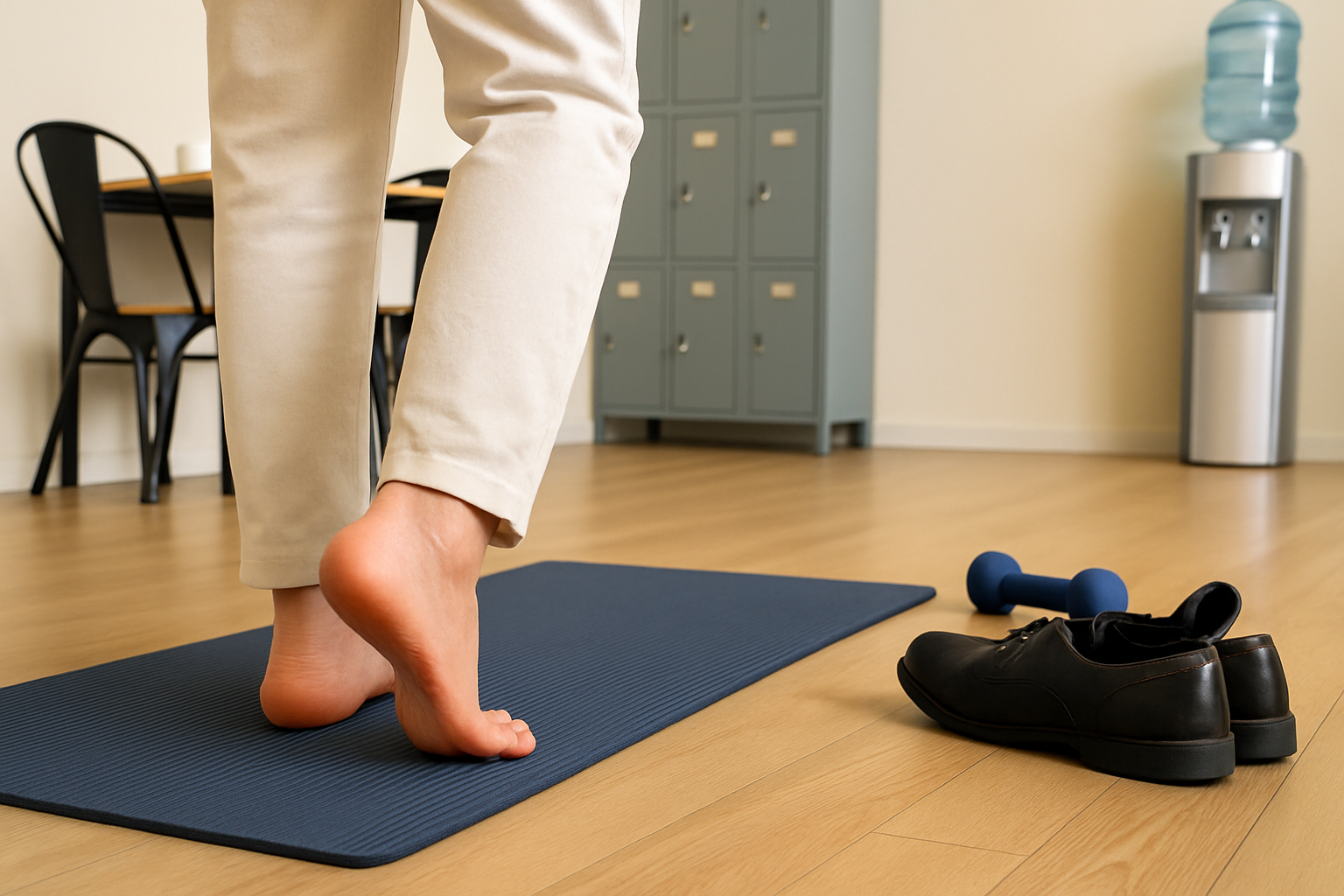
Identifying risk factors in advance is a great help for prevention. After middle age, the fat pad on the sole of the foot thins, reducing shock-absorption capacity and increasing the incidence rate. Additionally, underlying conditions like diabetes or arthritis can easily worsen foot health. For occupations that require standing for long hours, such as teachers, chefs, and service workers, stretching habits are essential because of the constant pressure on the feet.
Lack of stretching before and after exercise is also a significant risk factor. If you exert strong force while muscles are stiff, the plantar fascia may not be able to withstand it and could suffer micro-tears. In particular, if the calf muscles (gastrocnemius, soleus) are short and tight, the impact of the heel hitting the ground during walking is transmitted more to the plantar fascia. Therefore, keeping calf muscles flexible is key to protecting the plantar fascia. A habit of soaking your feet in warm water and massaging your calf muscles every evening can relieve muscle tension and prevent the fascia from becoming stiff overnight.
Key Symptoms and Precautions for Self-Diagnosis
The most representative symptom of plantar fasciitis is "start-up pain." You feel intense pain in the heel when taking the first few steps after waking up, which tends to ease after walking for a few minutes. This is a phenomenon caused by the plantar fascia, which was contracted overnight, suddenly stretching. However, the pain often recurs or worsens when activity levels increase again or as the day progresses toward the afternoon.
When performing a self-diagnosis, press firmly on the center or slightly inner part of the heel with your thumb. If you feel sharp pain in a specific area, it is highly likely to be plantar fasciitis. However, pain is not always caused by plantar fasciitis. Since symptoms can be similar to other conditions like nerve compression or stress fractures, do not decide on treatment based solely on self-diagnosis; you must get a confirmed diagnosis through an expert's examination. In particular, if the pain is in the center of the sole rather than the heel, or if the pain worsens even while resting at night, you should keep in mind the possibility of other causes.
Diagnostic Procedures at the Hospital
When visiting a medical institution, the doctor will first take a medical history and perform a physical examination. They will carefully identify when the pain started, the time of day when it is most noticeable, and recent changes in activity levels. Depending on the need, they may observe the arch shape of the foot and analyze walking patterns. Diagnostic imaging is not always necessary, but if symptoms are severe or differentiation from other diseases is required, X-rays or ultrasound examinations are performed.
Ultrasound is very effective for measuring the thickness of the plantar fascia and checking for inflammation or tears. While an MRI is generally not used for initial diagnosis, it may be performed for precise diagnosis if other diseases are suspected or if there is no response to conservative treatment. During the diagnostic process, the presence of a "heel spur" (a protrusion of the heel bone) is also checked. While the presence of a spur does not automatically mean pain will occur, it must be observed carefully as it can cause continuous irritation to the area where the plantar fascia attaches to the bone. All medical judgments are made by specialists, and information on the internet should be used for reference only.
Conservative Treatment Methods
More than 90% of plantar fasciitis patients see improvement in symptoms through conservative treatment alone without surgery. The priority is correcting lifestyle habits. Avoid excessive exercise and wear sneakers with sufficient cushioning instead of shoes with hard soles. If necessary, you can insert insoles (orthotics) into your shoes to support the arch of the foot and disperse the shock applied to the heel. While custom-made orthotics tailored to an individual's foot shape and arch height are most effective, when using off-the-shelf products, ensure they provide sufficient arch support.
For medication, anti-inflammatory painkillers are used to reduce inflammation and pain. Physical therapy is also performed in parallel; ultrasound therapy or electrical stimulation therapy helps alleviate pain. Recently, Extracorporeal Shock Wave Therapy (ESWT) is widely used. This method delivers strong energy to the painful area to increase blood flow and promote tissue regeneration. However, treatment response varies by individual, and it is important to receive consistent treatment over a sufficient period. In the early stages of treatment, pain may temporarily increase, but as this can be part of the tissue healing process, consult with your medical team to adjust the frequency of treatment.
Exercise Therapy and Stretching
Consistent stretching is just as important as treatment. The key is to loosen the calf muscles connected to the plantar fascia. Standing facing a wall, placing both hands on the wall, stepping back with the painful foot, keeping the heel on the floor, and leaning forward while keeping the knee straight is an effective stretch. Also, in a seated position, place the painful foot on the opposite knee, pull the toes toward your body as much as possible, and hold for 15–20 seconds to keep the plantar fascia taut; repeat this motion.
Massaging by rolling a golf ball or a small plastic bottle under the sole of the foot is also helpful. This gently relaxes the plantar fascia. However, do not apply too much pressure as it can irritate the inflammation; proceed gently within a range that does not cause pain. It is recommended to do these stretches frequently before getting up in the morning or before and after exercise. When stretching, do not bounce; slowly lengthening the muscles is the key to preventing injury.
Daily Prevention and Management Guide
Since plantar fasciitis is a condition that recurs frequently, management is essential even after symptoms disappear. Maintain a healthy weight to reduce the load on your feet. When starting exercise, follow the principle of "progressive overload" by increasing intensity gradually, and always warm up thoroughly before exercise to prepare muscles and ligaments. Choose shoes with a roomy toe box and proper heel cushioning. In particular, if the heel of your shoe has worn down asymmetrically, replace it immediately. Asymmetric shoes distort your walking posture, negatively affecting your ankles and knees.
If you must stand for long periods, rotate your ankles or march in place from time to time to help blood circulation and relieve muscle tension. Avoid walking barefoot on hard floors, and it is recommended to wear slippers with cushioning even indoors. Remember that small habit changes are the strongest defense for protecting foot health. Also, if you spend a lot of time standing in your work environment, repeating a motion of stretching the soles or wiggling your toes for about 5 minutes every hour can prevent fascia stiffness.
Conclusion: The Importance of Early Detection and Consistent Treatment
Plantar fasciitis is a condition that requires patience to manage. If you start intense activities immediately just because the pain has decreased slightly, it can recur quickly. If detected early and appropriate conservative treatment is started, most patients can return to daily life without surgery. We recommend that you do not endure the pain and seek professional help to create a management plan tailored to your condition. Healthy feet are the most important foundation for regaining vitality in daily life. Checking the condition of your feet and stretching every morning will be the foundation for maintaining a healthy life.
※ This content is for general information purposes only and cannot replace medical diagnosis. Please consult a professional medical team regarding specific symptoms.
Frequently Asked Questions
Does plantar fasciitis heal naturally?
In the early stages of symptoms, it can improve with proper rest and stretching alone. However, if the pain is severe or has become chronic, it is difficult to expect natural healing without professional treatment.
What kind of shoes are good for plantar fasciitis?
Shoes with proper heel cushioning and stable arch support are good. Avoid shoes that are too hard, have thin soles, or have high heels.
Is Extracorporeal Shock Wave Therapy painful?
You may feel pain during the treatment process depending on the individual. The intensity of the pain is adjustable, so it is recommended to discuss with your medical team to proceed with an intensity that suits you.
How long does plantar fasciitis treatment take?
Although it varies depending on the individual and the severity of symptoms, consistent management is usually required for several weeks to several months. It is more important to develop daily management habits than to try to treat it in a short period.