Many parents worry about what to do with their children as the weekend approaches. While kids' cafes or park walks are great, the first thing that comes to mind when you want to give them a more special experience is a children's musical. The bright lights, exciting music, and seeing their favorite characters come to life on stage create unforgettable memories for children. However, when it comes time to book, you might feel anxious about which show to choose or whether your child will be able to stay focused until the end. Use this guide to help prepare perfectly for your child's first-ever theater experience.
How to Choose a Musical Based on Your Child's Age and Personality

The most important factor when choosing a children's musical is your child's developmental stage and personal interests. Generally, for toddlers under 3, short performances focused on music and movement are more suitable than those with heavy dialogue and complex narratives. For children 5 and older, it is better to choose works based on characters or storybooks they already enjoy. Children feel much more immersed when they see familiar stories brought to life on stage.
Before selecting a show, you must check the size of the venue and the seating arrangement. A medium-sized theater where the child's view is clear may be more advantageous for a first-time visit than a massive grand theater. Children highly value the experience of making eye contact or interacting with the actors on stage. Checkpoints for selection include the genre (puppet show, musical, magic show, etc.), the cast, and whether it is an interactive performance. Interactive shows provide an active cultural experience as children can participate on stage or talk to the actors.
Also, the running time of the performance is a factor that cannot be ignored. Usually, 50 to 70 minutes is appropriate, and checking if there is an intermission is also a good idea. Booking aisle seats is a wise choice in case your child needs to use the restroom or loses focus during the show. Especially if you are with a child under 5 who may need to move around frequently, securing aisle seats is an essential strategy. When choosing seats, it is also good to check in advance if booster seats are available, considering your child's height.
Conversations and Preparation to Have with Your Child Before and After the Show
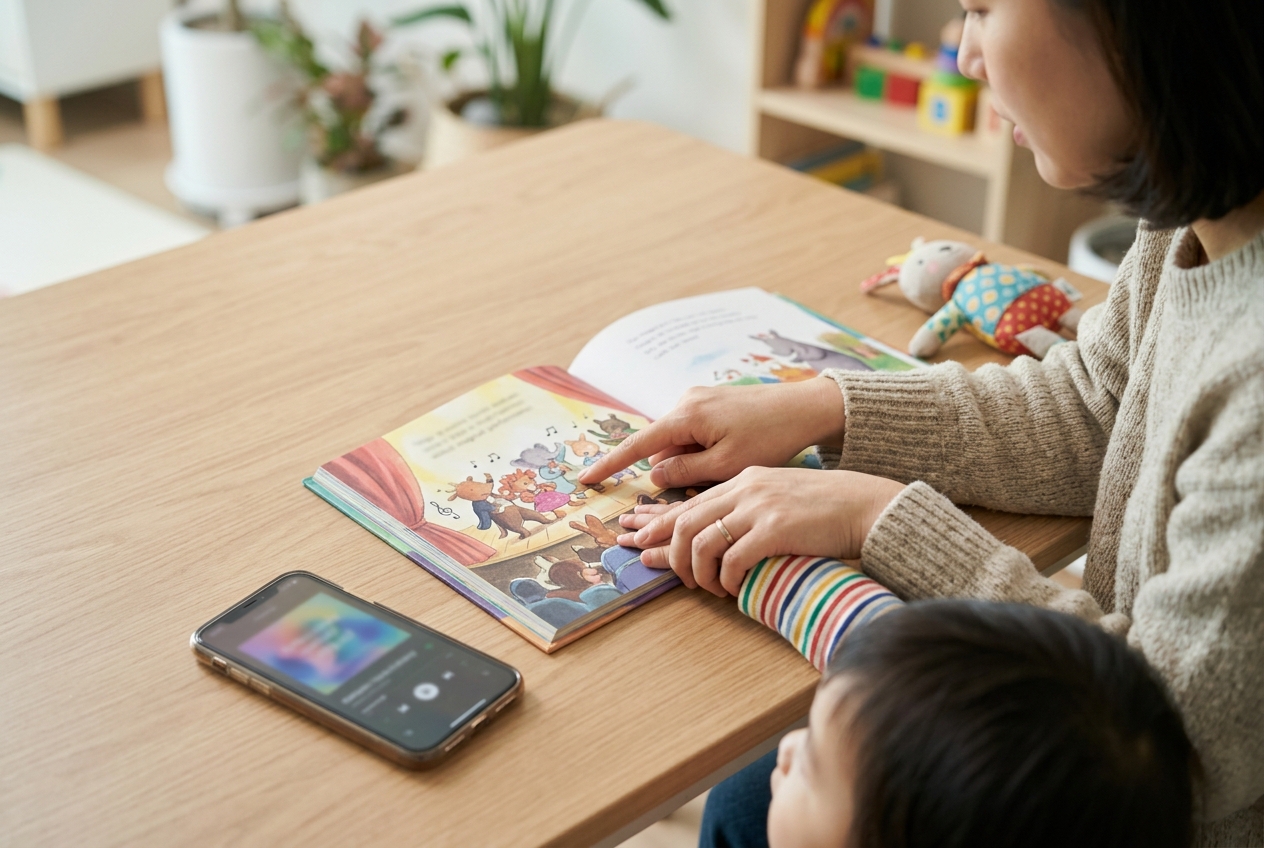
On the day of the performance, rather than just arriving at the venue, try to spend time talking about the show with your child beforehand. Simply reading related storybooks or listening to the show's theme songs together can significantly heighten your child's anticipation. This goes beyond just the act of watching; it is a process that helps your child overcome fear of a new environment and prepare for the fun ahead. Try asking your child questions like, "What kind of songs do you think the actors will sing today?" to build excitement.
It is recommended to arrive at least 30 minutes early so your child can adapt to the unfamiliar environment. You need to ensure enough time for your child to get a feel for the lobby, use the restroom, or have a light snack to settle down. At this time, gently explain the rules of the theater. For example, agreeing in advance on rules like 'not talking loudly during the show' or 'clapping together when the actors come out' will make the experience much smoother. If your child is sensitive to darkness or loud noises, letting them know in advance that the lights might dim is a good way to reduce anxiety.
During the performance, it is important to observe your child's reactions. If your child is scared or very bored, it is better to be flexible and step out to the lobby for a break rather than forcing them to sit until the end. A performance should be an extension of play, not a chore. After the show, talk with your child about which scene was their favorite or which character they remember most. Such post-show activities help the lingering impression of the performance last longer in your child's memory. If possible, taking advantage of photo opportunities with the actors after the show can also give your child a sense of accomplishment.
Checkpoints Often Overlooked When Attending a Performance

One thing many parents overlook is the temperature of the theater and the child's attire. The theater can be cooler than expected due to lighting and air conditioning. Bringing a thin cardigan or a lap blanket is essential. Also, it is best to avoid booking during times when your child is likely to be very hungry or sleepy so they can focus during the show. Choosing a morning or early afternoon time that does not overlap with nap time is ideal.
Performance etiquette is also an important educational opportunity. Explain to your child why they should be quiet during the show and why they shouldn't use a mobile phone. This is a process of learning how to fully appreciate art, beyond just being considerate of others. For example, it is good to explain at your child's level that a glowing phone screen during the show can distract the actors on stage and other audience members. If your child gets too excited and starts shouting or stomping during the show, rather than scolding them immediately, it is better to briefly acknowledge their feelings without disrupting the flow of the show and guide them to maintain a quiet atmosphere.
When ticketing, you should also carefully check for discount benefits. Various events such as weekday discounts, early bird discounts, or repeat-viewer discounts are often available, so it is good to check the booking site frequently. Especially during vacation periods, there are many special discount events, so utilizing these can help you enjoy a rich cultural life at a reasonable cost. Also, be sure to check for coupons provided by booking sites or credit card partnerships to make the best choice within your budget. Check the parking situation at the venue in advance. Parking lots at theaters are very crowded on weekends, so if public transport is an option, use it. If driving, aiming to arrive 1 hour before the show starts is key to reducing stress.
A Practical Guide for a Successful First Visit
The first time is the hardest; once children get a taste of the fun, they will look forward to the next show on their own. If this is your first attempt, don't expect a perfect performance. It is most important to accept it gracefully if your child moves a little or asks questions, and just enjoy the moment. Before entering the theater, bringing a favorite comfort toy or blanket can also provide emotional stability and help increase your child's immersion in the show.
Here are the key points to remember for a successful visit:
- Schedule the visit with your child's condition as the top priority.
- Secure aisle seats to prepare for unexpected situations.
- Provide sufficient background information before the show starts.
- Listen fully to your child's thoughts after the show.
- Identify the locations of nearby amenities (nursing rooms, restrooms, etc.) in advance.
- Carry simple snacks and water to prepare for your child's hunger.
These small preparations add up to leave a positive impression of the theater on your child. Starting off on the right foot with culture and art is a great help to your child's emotional development and creativity. Why not search for a children's musical happening nearby with your child this weekend? A little excitement will be a great boost to your child's daily life. Most importantly, it's not about the result, but the conversation you have on the way to the theater and the warm atmosphere of that day itself. A parent's relaxed mindset will be the greatest joy of the performance for the child.
Frequently Asked Questions
At what age can children usually attend a musical?
Most performances allow entry from 24 months, but the recommended age may vary by show. Please be sure to check the age limit on the detailed page before booking.
What should I do if my child cries or makes a scene during the show?
If your child cries or fusses during the show, it is best to step out of the theater immediately to soothe them, and re-enter once they have calmed down. It is important not to panic and to prioritize your child's condition.
Where are the best seats in the theater?
If you consider your child's view, front-center seats that are reasonably close to the stage are good, but if it is your child's first time and they are anxious, we recommend aisle seats so you can leave at any time.
Are there any items I should prepare when attending a children's musical?
It can be chilly inside the theater, so it is good to bring a thin outer layer or a lap blanket. Also, to ensure your child doesn't get bored during the show, bring a favorite toy or encourage interest through prior conversation.