SK Ecoplant has successfully transformed its business model from a construction-centric approach to becoming an environmental and energy-focused solutions company. This corporate shift is interpreted not merely as a name change, but as a strategic choice to align with global industrial trends of resource circulation and carbon neutrality. What are the core competencies of this company, and what role does it play in the future industrial landscape? In this article, we take an in-depth look at the business values and key business sectors pursued by SK Ecoplant.
3 Key Checkpoints for Understanding SK Ecoplant
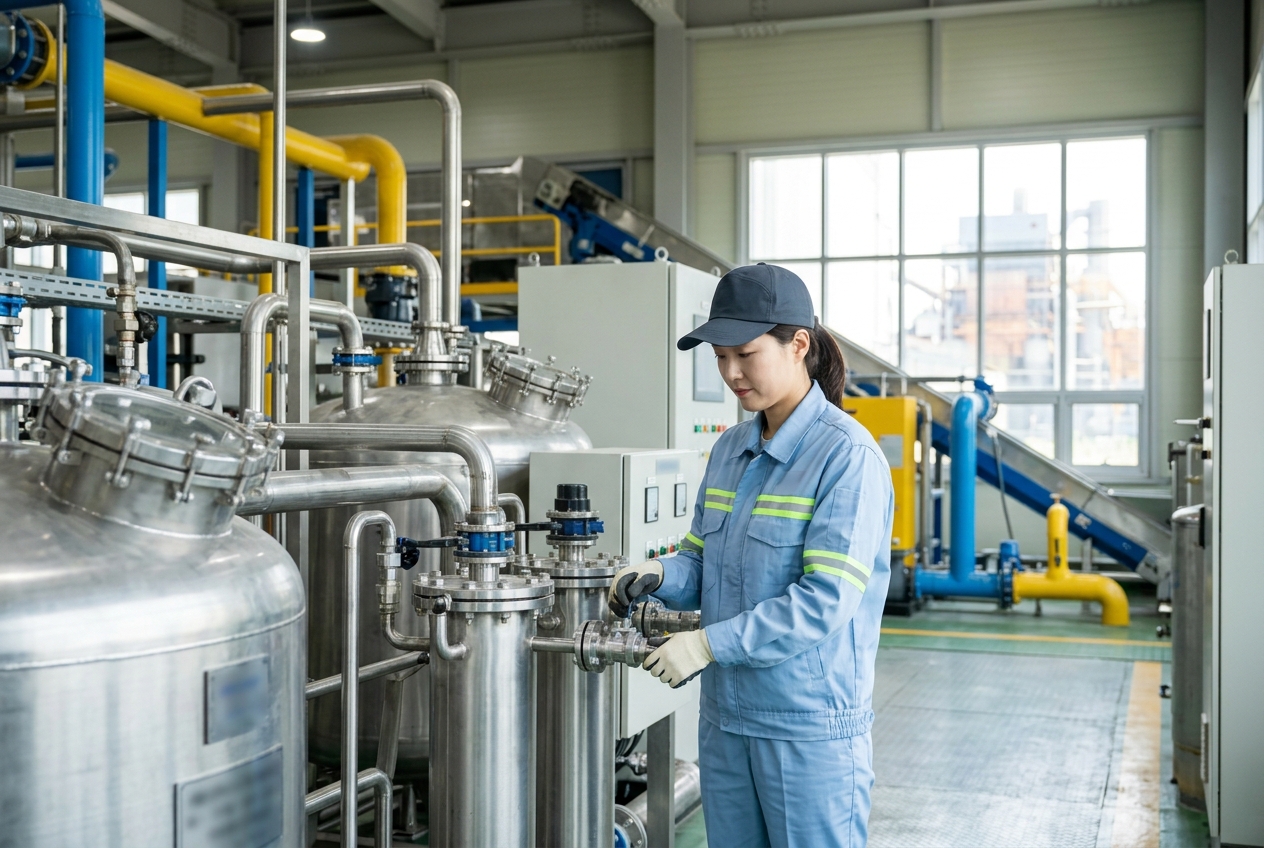
When analyzing a company, the first indicators to check are business sustainability and the diversification of revenue structures. In the case of SK Ecoplant, the company's direction can be assessed based on the following three points: First, the scale of its environmental business and waste treatment technology. Second, the actual application scope of its renewable energy production and storage technology. Third, how it connects synergies with the construction sector to its environmental/energy businesses. Only when these three elements are in harmony can a company enter a stable growth trajectory. In particular, the industry is increasingly using technical capabilities—such as extracting energy from waste or recovering resources—rather than simple construction capacity, as a benchmark for evaluating a company's true value.
The environmental business is at the core of a circular economy that goes beyond simple waste treatment to reproducing waste as resources. SK Ecoplant has built a nationwide environmental treatment network and is maximizing efficiency through digitalization. This signifies an evolution from simple construction capabilities to a data-driven operational management system. The ability to design optimal treatment processes by analyzing data generated on-site is likely to become the standard for the environmental industry in the future. In particular, waste-to-resource technology is forming a loop that moves away from simple landfilling to recovering high-value resources and supplying them back to industrial sites. This circular economy model becomes a key driver for reducing risks associated with raw material price fluctuations while simultaneously securing both environmental and economic value. Compliance with regulations and coexistence with local communities are essential when operating environmental businesses, and SK Ecoplant is proactively controlling risks by introducing systematic management processes in these aspects.
What is the Core Strategy Connecting Environment and Energy?
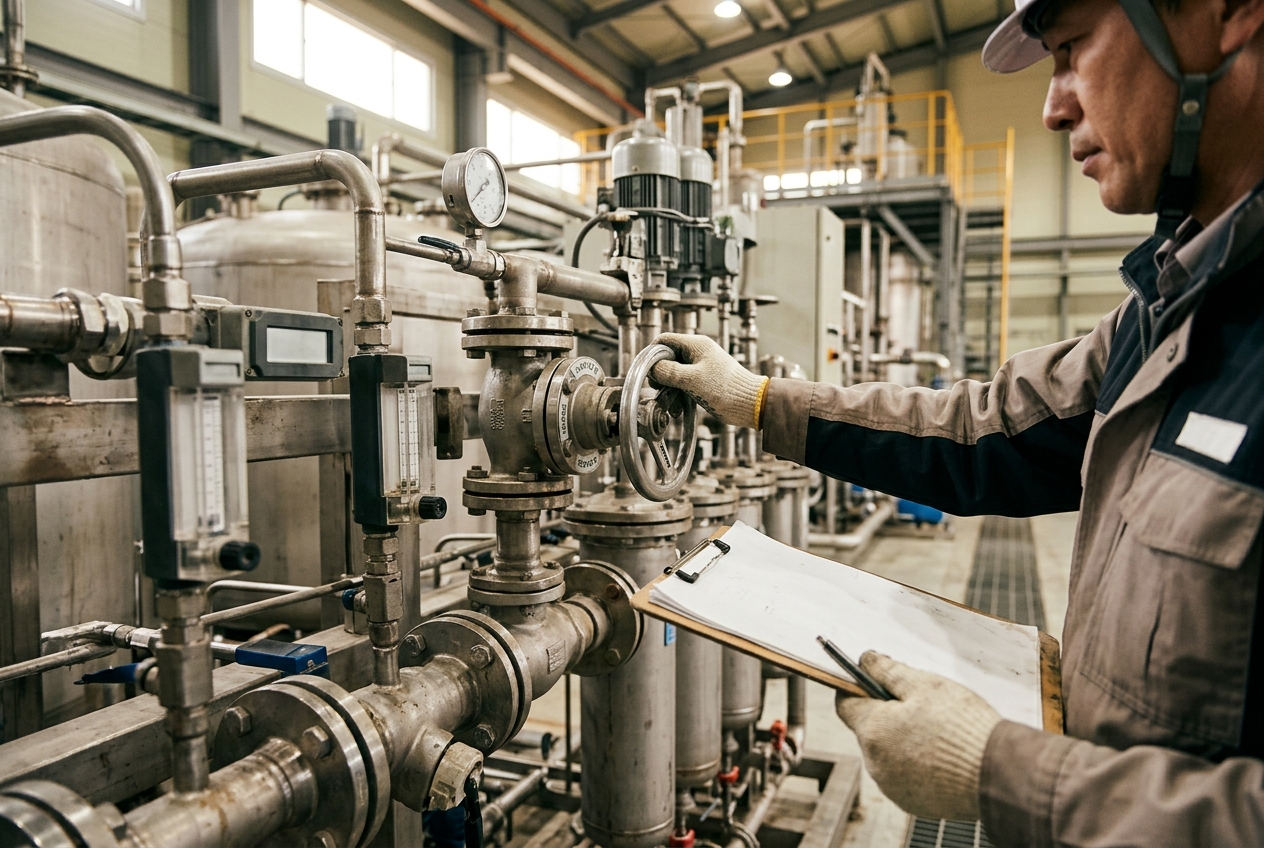
The 'integration of environment and energy' pursued by SK Ecoplant does not simply mean running both fields in parallel, but rather an integrated model that recovers energy generated during the environmental treatment process and turns it back into resources. Representative examples include utilizing heat generated from waste incineration facilities as an energy source or using biogas generated during water treatment processes. This technical integration has the strategic advantage of reducing the company's carbon footprint while creating new revenue streams. In the energy business sector, the company is focusing on distributed power solutions such as solar, wind, and fuel cells. As the energy supply system shifts from large-scale power plants to regional distributed systems, SK Ecoplant plays a role in optimizing these solutions. This is a model that enables efficient energy self-sufficiency within urban areas or industrial complexes and can contribute to power grid stabilization in the long term. In particular, the fuel cell business serves as a bridge to the hydrogen economy and requires high-level technical expertise to achieve both stable power supply and carbon reduction simultaneously.
Distributed power is becoming an important pillar of the future energy market in that it minimizes transmission losses and maximizes energy efficiency. Looking at actual application cases, methods that link with Energy Management Systems (EMS) within industrial complexes to reduce energy costs are being actively introduced. The construction sector remains an important asset for the company. However, it is moving away from general civil engineering of the past and changing toward eco-friendly construction and the introduction of smart construction technologies. Eco-friendly construction that minimizes waste generated at construction sites and actively utilizes recycled materials has now become a necessity, not an option. This change becomes a powerful differentiator for SK Ecoplant in a market environment where ESG management is emphasized. Smart construction technology is contributing significantly to increasing process precision by using drones or BIM (Building Information Modeling) to reduce construction errors and prevent safety accidents. Eco-friendly construction methods that reduce carbon emissions throughout the entire life cycle of a building are also receiving positive evaluations from clients, which in turn leads to order competitiveness.
Detailed Checkpoints and Precautions by Business Sector

There are points that investors or partners should be aware of when looking at each of SK Ecoplant's business sectors. First, since the environmental business is highly regulated, it is necessary to carefully identify risks associated with changes in government policies and environmental laws. In addition, because the energy business requires large initial capital investment, a long-term approach that considers the recovery period of profitability based on market conditions is necessary. Environmental policies by local governments, energy-related subsidy systems, and changes in the global carbon emission trading system are variables that can directly affect the company's performance. Therefore, having policy responsiveness will be an important factor in the success or failure of the business. In the case of the construction sector, it is not free from external factors such as raw material price fluctuations and rising labor costs. Therefore, order strategies and cost control capabilities to maintain stable cash flow are more important than anything else.
As uncertainty across the construction industry has increased recently, it is necessary to consistently monitor the profitability analysis and process management efficiency of projects conducted by SK Ecoplant. In particular, technical innovation for cost reduction and efficient supply chain management are the last line of defense for protecting the profitability of the construction sector. Furthermore, a system that proactively identifies and manages risks from the order stage of a project is essential for maintaining the company's financial soundness. It should be kept in mind that the advancement of construction technology is directly linked to site safety, beyond just shortening construction periods. The AI-based on-site monitoring system introduced by SK Ecoplant is showing excellent results in lowering accident rates by detecting potential risk factors early. This is also a key strategy for increasing labor productivity amidst pressure from rising labor costs.
How Far Has Technological Innovation for Future Growth Come?
SK Ecoplant's future depends on technological innovation. In particular, AI-based environmental management solutions and high-efficiency energy conversion technologies are key future growth engines. Through Digital Transformation, the company is removing inefficiencies in the field and building a system for data-based decision-making. This goes beyond simply increasing operational efficiency and opens up the possibility of expanding into data-based environmental consulting services in the future. Real-time data monitoring plays a key role in predicting equipment failures in advance and optimizing treatment processes to minimize the emission of environmental pollutants. The establishment of a hydrogen ecosystem is also a noteworthy area. By presenting solutions that cover the entire process from hydrogen production to storage, transportation, and utilization, the company is accelerating the transition to a carbon-neutral society. These technical challenges should be interpreted as long-term investments to secure future markets rather than short-term achievements. Technology development for clean hydrogen production and the expansion of market share in the hydrogen fuel cell market will be essential stepping stones for SK Ecoplant to leap forward as a global energy company. In addition, it is continuously exploring the possibility of entering the hydrogen business in overseas markets to expand its business scope.
Final Check: Competitiveness Diagnosis Checklist for SK Ecoplant
Finally, we summarize a checklist for judging SK Ecoplant's competitiveness. Please review the items below to examine the company's progress. First, is the treatment capacity and regional coverage of the environmental business above the market average? This is a measure to check if economies of scale have been achieved. Second, how efficiently are energy solutions being applied in actual industrial sites? The number of actual construction cases proves technical reliability. Third, does the introduction of eco-friendly technology in the construction sector lead to actual cost reduction or brand value enhancement? The effectiveness of ESG management should be examined. Fourth, is operational efficiency using digital technology producing actual cost-saving effects? Data analysis capabilities must lead directly to profitability improvement. Fifth, does it have the financial stability to respond to changes in the external economic environment? Sixth, what is the level of R&D investment and technical patent acquisition for sustainable growth? Finally, has the possibility of building partnerships and exporting technology in the global market been confirmed? Considering these factors comprehensively, SK Ecoplant is evaluated as successfully leaping from a traditional construction company to a future environmental/energy leader. However, continuous monitoring and cool-headed analysis must accompany this, taking into account market volatility and technical difficulty. Consistently observing whether the performance of each project promoted by the company leads to technical advancement and strengthening of market dominance, rather than just short-term results, is a core competency required of investors and stakeholders.
Frequently Asked Questions
What kind of company is SK Ecoplant?
SK Ecoplant was originally SK E&C, and it has now transformed its business structure into a global environmental and energy solutions company encompassing environment, energy, and construction.
What are the main business areas?
The core areas are the environmental business responsible for waste treatment and resource circulation, renewable energy businesses such as solar, wind, and fuel cells, and construction business applying eco-friendly technology.
How does the synergy between environment and energy businesses occur?
It maximizes energy efficiency through a resource-circulating business model, such as recovering energy generated during waste treatment or extracting biogas from water treatment processes.
What are the risks to be aware of when analyzing the company?
Key management points include changes in environmental regulations, the recovery of large-scale initial investment costs for energy projects, and price volatility of raw materials across the construction industry.