Have you ever suffered from sudden vomiting and diarrhea in the winter? It is easy to assume that activity decreases as temperatures drop, but norovirus actually thrives in cold weather. While many people only worry about food poisoning in the summer, norovirus is highly resilient even in sub-zero temperatures, making it a key focus for winter hygiene management. Today, we summarize the reality of norovirus, how to respond if infected, and thorough prevention rules you can practice in your daily life.
What is Norovirus and Why Does it Spread in Winter?
Norovirus is a tiny virus that causes inflammation in the human stomach and intestines. Unlike other food poisoning bacteria, it has excellent environmental adaptability, capable of surviving for years even in frozen states. As temperatures drop, people tend to spend more time indoors and become lax with personal hygiene habits like handwashing, which helps the virus spread. The risk of infection is particularly high when consuming raw seafood like oysters and shellfish, and it also spreads easily through the feces or vomit of infected individuals.
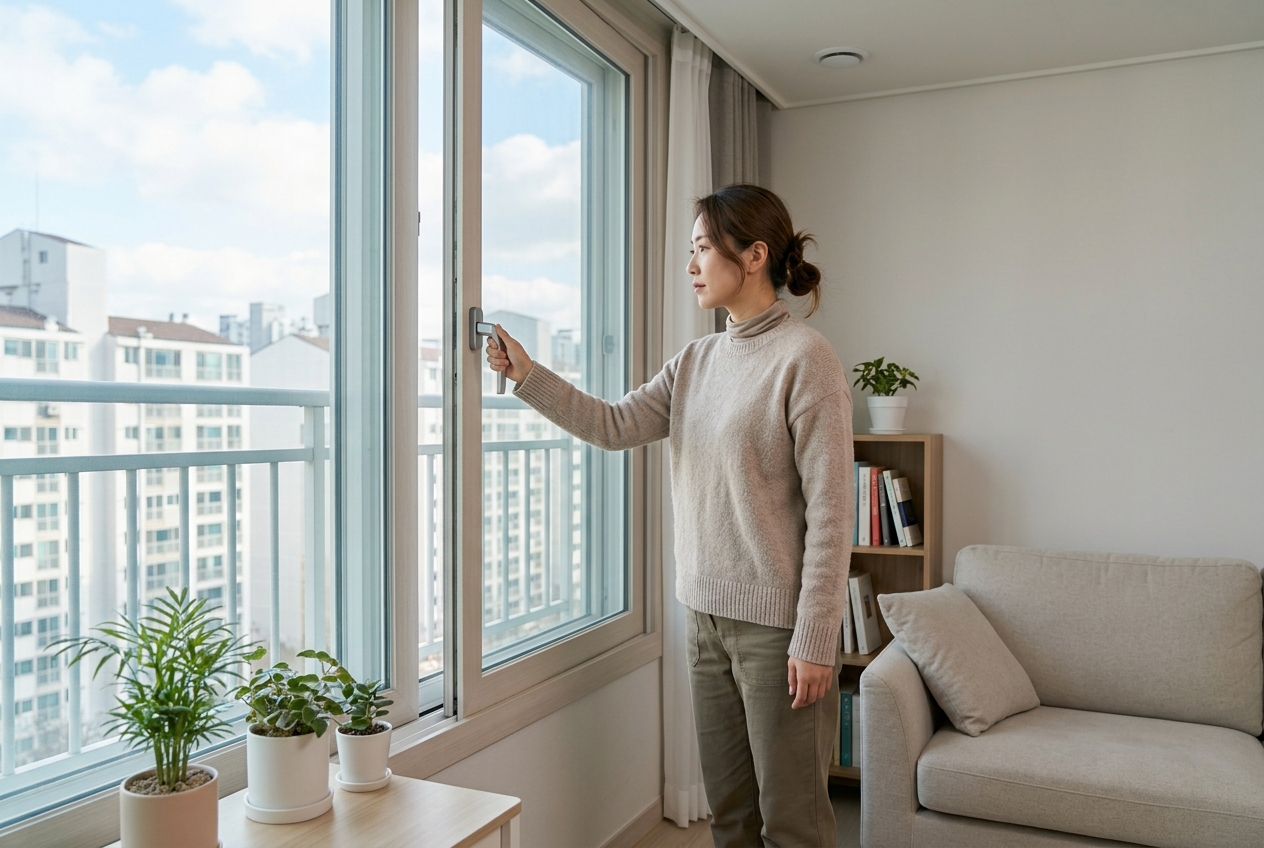
The virus can cause infection with only a small number of particles. Since as few as 10 to 100 particles can trigger the illness, extra caution is needed in group living facilities such as daycare centers, schools, and nursing homes. Airborne transmission is also possible, so if a patient vomits, there is a high risk that the entire surrounding area will be contaminated. In winter, people spend more time with windows closed, leading to poor indoor ventilation, which increases the possibility of the virus lingering indoors. Therefore, periodic ventilation and surface disinfection are essential in enclosed spaces. Winter heating makes the air dry, and dry environments can allow the virus to remain in the air as droplets for longer, so it is important to ventilate the room at least three times a day for about 10 minutes.
Identifying Major Symptoms and Physical Reactions
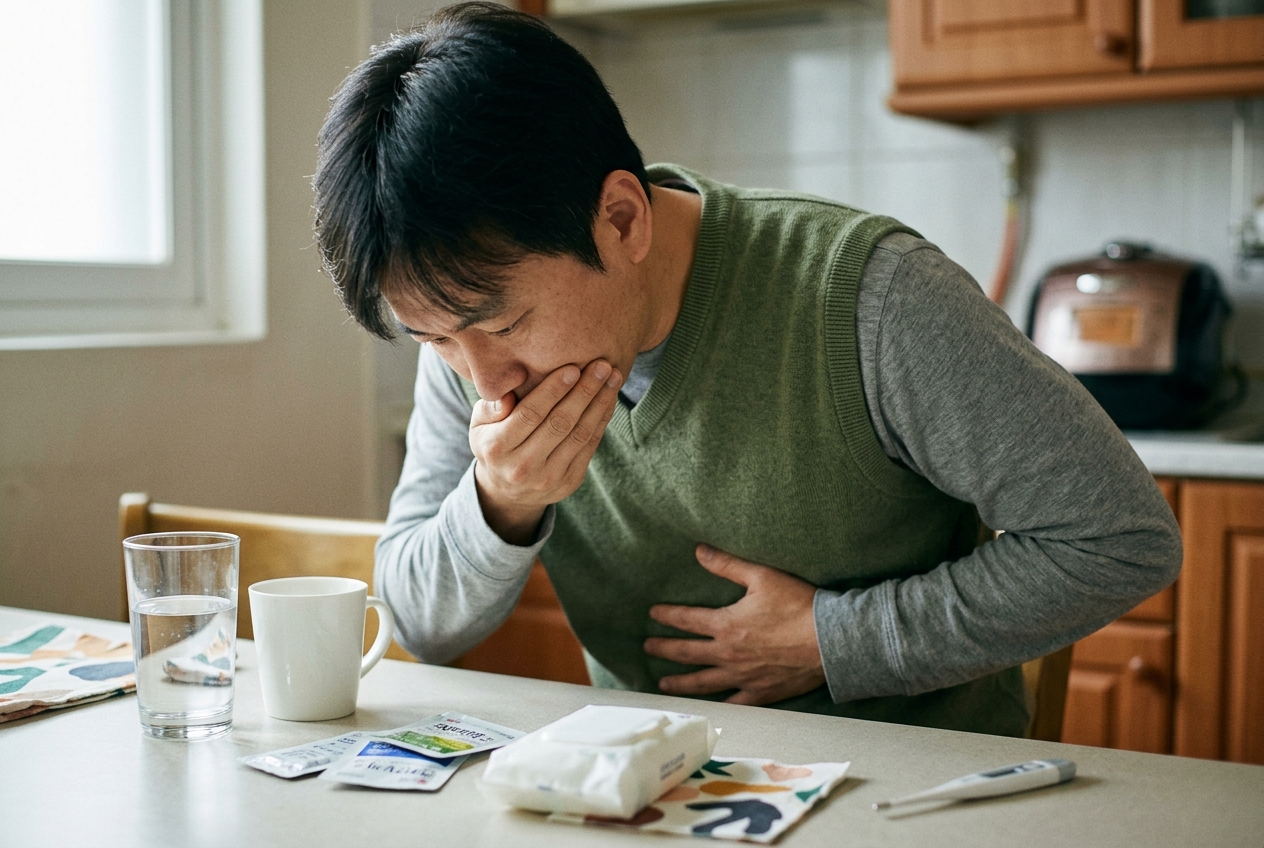
After an incubation period of 12 to 48 hours, sudden vomiting, abdominal pain, and diarrhea begin. In adults, diarrhea is more prominent, whereas children tend to experience much more severe vomiting. Recovery usually occurs naturally after 2 to 3 days, but the elderly and those with weak immune systems need to be careful as they may experience severe dehydration.
Symptom Checklist
- Sudden nausea and vomiting
- Watery diarrhea
- Fever over 38°C and chills
- Cramping abdominal pain
- Generalized muscle aches and headaches
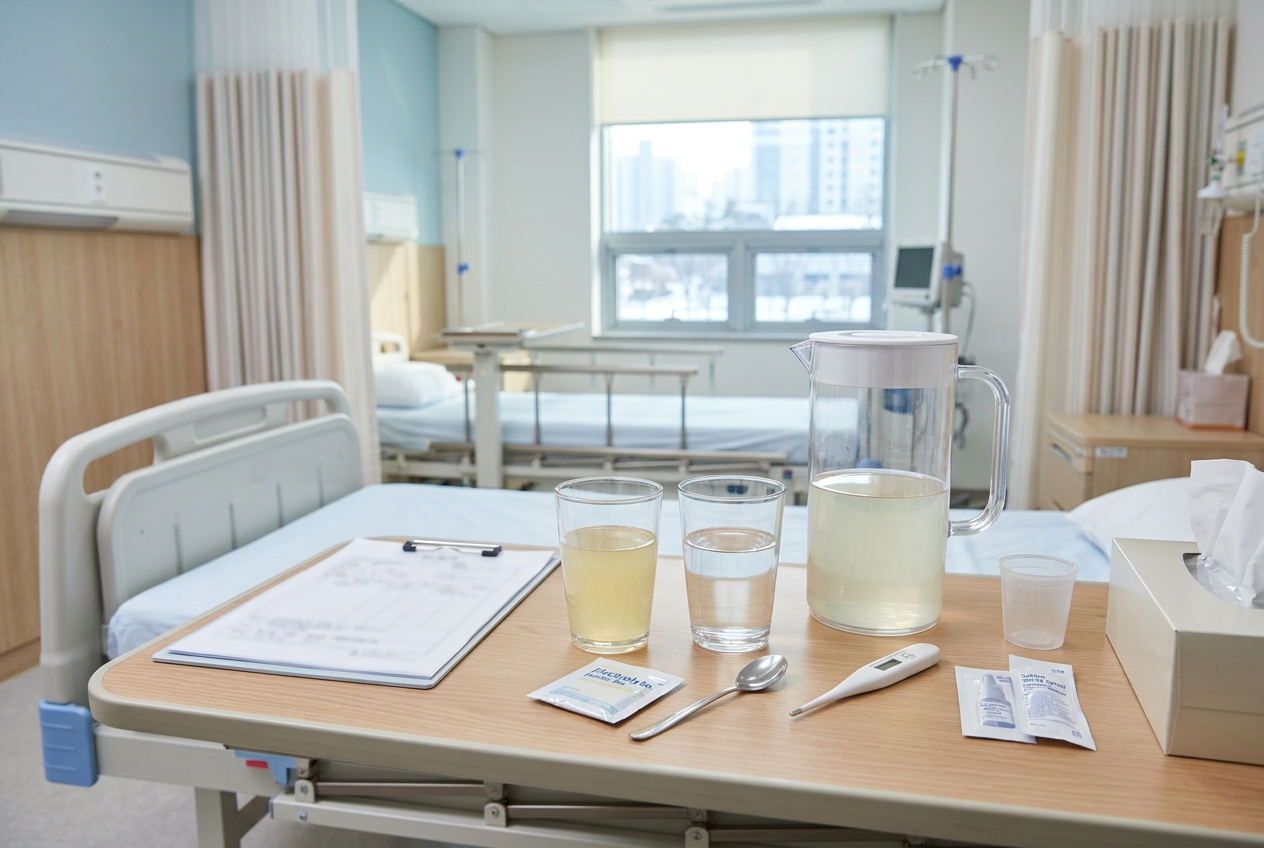
If these symptoms appear, you should immediately increase fluid intake and focus on preventing dehydration. However, if symptoms persist for several days, if you see blood in your stool, or if a high fever accompanies the illness, you must visit a medical institution for professional diagnosis. Especially for the elderly and children, rapid dehydration can lead to electrolyte imbalance, so it is important to consume lukewarm water or electrolyte drinks in small, frequent amounts. It is essential to consume fluids that can replenish electrolytes in the body, rather than just quenching thirst.
Blocking Transmission Routes and Practicing Prevention in Daily Life
The key to preventing norovirus is 'thorough handwashing' and 'cooking food thoroughly.' Since the virus may not be completely removed by regular soap or cleansers alone, it is most important to wash your hands thoroughly under running water for at least 30 seconds, including between your fingers. You must use soap, especially before meals, after using the restroom, and after returning home. Simply rinsing with water is ineffective for removing the virus, so it is essential to create a rich lather to physically wash the virus away.
Safe Eating Habits
Vegetables should be washed thoroughly under running water, and seafood must be cooked completely for at least 1 minute until the internal temperature reaches 85°C or higher. Cooking utensils can also be sources of contamination. Use separate knives and cutting boards for vegetables and meat, and after use, it is recommended to disinfect them with boiling water or wash them thoroughly with detergent and dry them in the sun. Even for food stored in the refrigerator, make it a habit to heat it thoroughly before eating. Especially when consuming raw oysters, a winter delicacy, ensure you choose products that have been heat-treated, or verify that raw ingredients are hygienically managed and safe. To prevent cross-contamination, store meat and vegetables separately and regularly disinfect the inside of your refrigerator.
Responding to Patients and Environmental Disinfection
If someone in your family is infected with norovirus, they should be isolated immediately. Make it a habit to close the toilet lid before flushing to prevent the spread of droplets. Contaminated clothing or bedding should be washed in hot water at 85°C or higher, and areas where the patient vomited should be wiped down using a chlorine-based disinfectant. It is effective to use a 1,000ppm concentration (diluted 40 times with bleach). Always wear rubber gloves and a mask during disinfection to prevent secondary infection.
The virus can be shed for up to 2 weeks even after the patient's symptoms disappear. Therefore, even if symptoms improve, you should strictly manage personal hygiene for the time being, and using individual plates rather than sharing meals is safer. Towels used by the patient should not be shared with other family members and should be washed separately. It is also recommended to avoid cooking duties or direct contact with others for at least 48 hours after symptoms have completely vanished. When handling the patient's excrement or vomit, be careful not to let it splatter, and wash your hands and ventilate the surrounding area immediately after cleaning.
Frequently Asked Questions and Correcting Misconceptions
There is no specific cure for norovirus. Most cases heal naturally over time, so fluid replenishment and rest for symptom relief are the top priorities. Antibiotics are effective for bacterial food poisoning but are not very helpful for viruses, so it is better to consult a doctor rather than taking medication arbitrarily. Using anti-diarrheal medication indiscriminately can also be dangerous. Since anti-diarrheal drugs can hinder the expulsion of the virus from the intestines, it is best not to take them without a doctor's prescription.
Here is a summary of preventive actions you can practice in your daily life. First, make it a habit to wash your hands for over 30 seconds after going out. Second, always heat seafood to over 85°C. Third, make it a habit to close the toilet lid before flushing when using public restrooms. Small changes in habits are the greatest power to protect yourself and your family. Also, since immunity is prone to dropping in winter, regular exercise, sufficient sleep, and a nutritious diet are good ways to increase your body's defense against viruses. Remember that prevention is the best treatment for disease, and if you see even the slightest abnormal symptoms, you need to isolate and manage them immediately. Furthermore, since norovirus can re-infect even if immunity has been formed, it is important to follow prevention rules every winter.
Frequently Asked Questions
Should I take antibiotics if I catch norovirus?
No. Norovirus is a viral disease, and antibiotics are ineffective. Sufficient fluid intake and rest are the best treatments, and if symptoms are severe, it is recommended to visit a hospital to be prescribed symptom-relieving medication.
Does storing food in the freezer kill the virus?
No. Norovirus is highly resilient even in sub-zero temperatures. Freezing does not kill the virus, so you must heat food thoroughly to the center when cooking.
How do I disinfect a toilet used by a patient?
It is most effective to wipe down the toilet bowl, door handles, and sink using a chlorine-based bleach diluted about 40 times. Always ventilate the area while disinfecting.
Can I return to daily life as soon as symptoms improve?
The virus can be shed through stool for at least 2-3 days, and up to 2 weeks, after symptoms stop. Therefore, you must continue thorough handwashing even after full recovery.