Swimming pools are the perfect space to enjoy both healthy physical activity and relaxation. However, since satisfaction can vary greatly depending on the type of facility and its management, it is crucial to have the discernment to choose a pool that fits your purpose before visiting. Rather than simply choosing the closest one, you should prioritize checking water quality, facility size, operating hours, and safety management systems. Swimming is a full-body aerobic exercise that is excellent for strengthening cardiovascular endurance and muscle tone, and because it puts minimal stress on joints, it is a sport that can be enjoyed by people of all ages. Here are the step-by-step details to consider for a successful swimming life.
Finding the Right Type of Swimming Pool for You
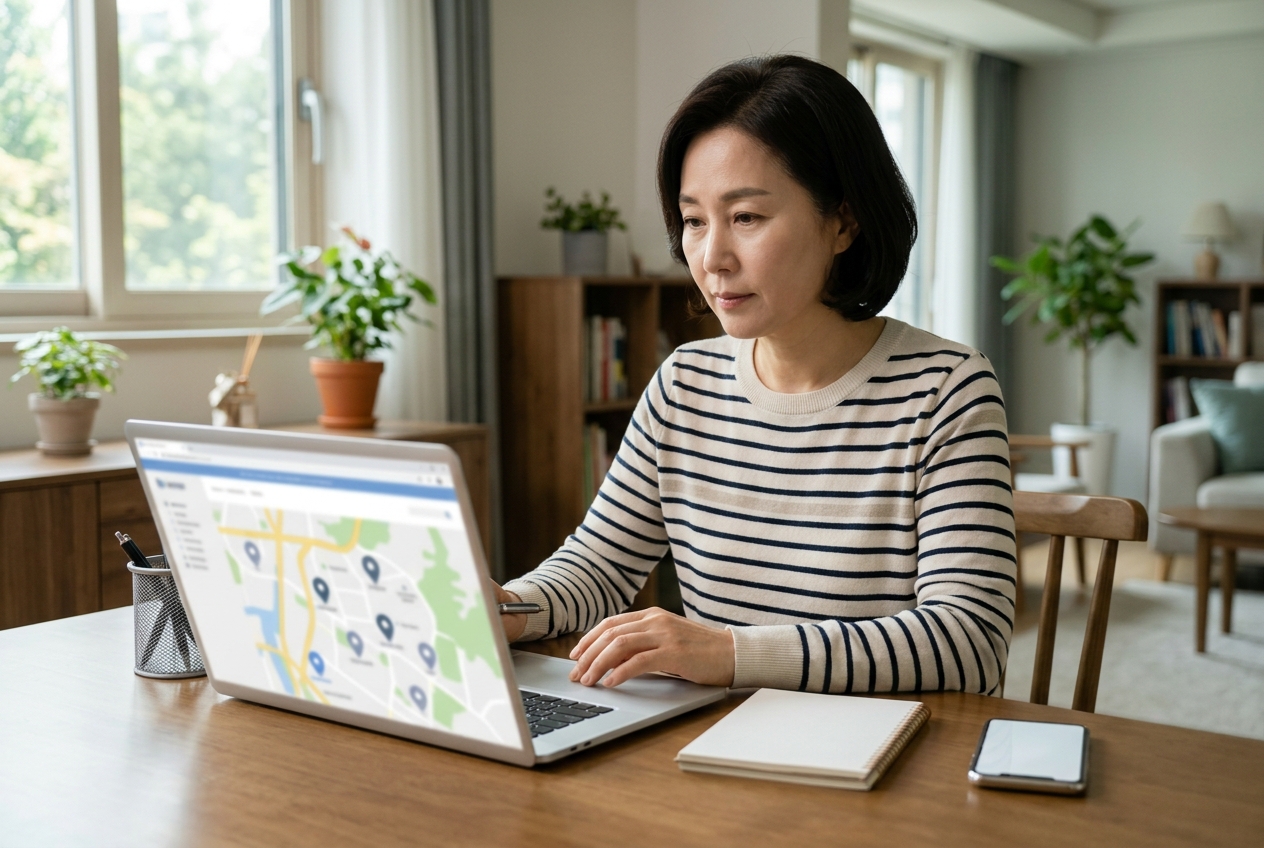
Swimming pools are largely categorized by their operating entity and purpose. First, municipal or city sports centers offer the advantages of affordable fees and structured lesson programs. They typically feature 25m lanes with a depth of 1.2m to 1.4m, which is suitable for adult exercise. On the other hand, hotels or high-end sports centers offer the benefits of pleasant amenities and lower population density, making them ideal for those who want to enjoy lap swimming or exercise at a leisurely pace. Large water park-style pools, which attract many families, are fun but may not be suitable for professional lap swimming.
Indoor pools are optimal for building consistent exercise habits as they maintain a constant water temperature regardless of seasonal changes or outside weather. However, since humidity can be high and disinfectant odors may occur, it is important to check how frequently the facility operates its ventilation system. Outdoor pools offer the advantage of swimming while enjoying natural light, but one must be careful about UV exposure and body temperature changes due to external temperatures. Recently, many facilities have added infinity pools or heated pools, allowing people to enjoy the romance of outdoor swimming all year round. Your selection criteria should depend on whether your primary goal is 'improving basic physical fitness' or 'rest and relaxation.'
Practical Point: If you want to learn swimming regularly, you should choose a facility within a 15-minute walk from your home or workplace. If the travel time is too long, the psychological barrier increases, which significantly raises the probability of giving up halfway. Also, be sure to check the schedule in advance to see if there are lessons during your preferred time and how free swimming hours are allocated. Furthermore, check the size of the shower room and the number of lockers. If the shower room is too small during peak hours, unnecessary waiting times can occur, breaking the flow of your exercise.
Water Quality Management and Hygiene Checklist
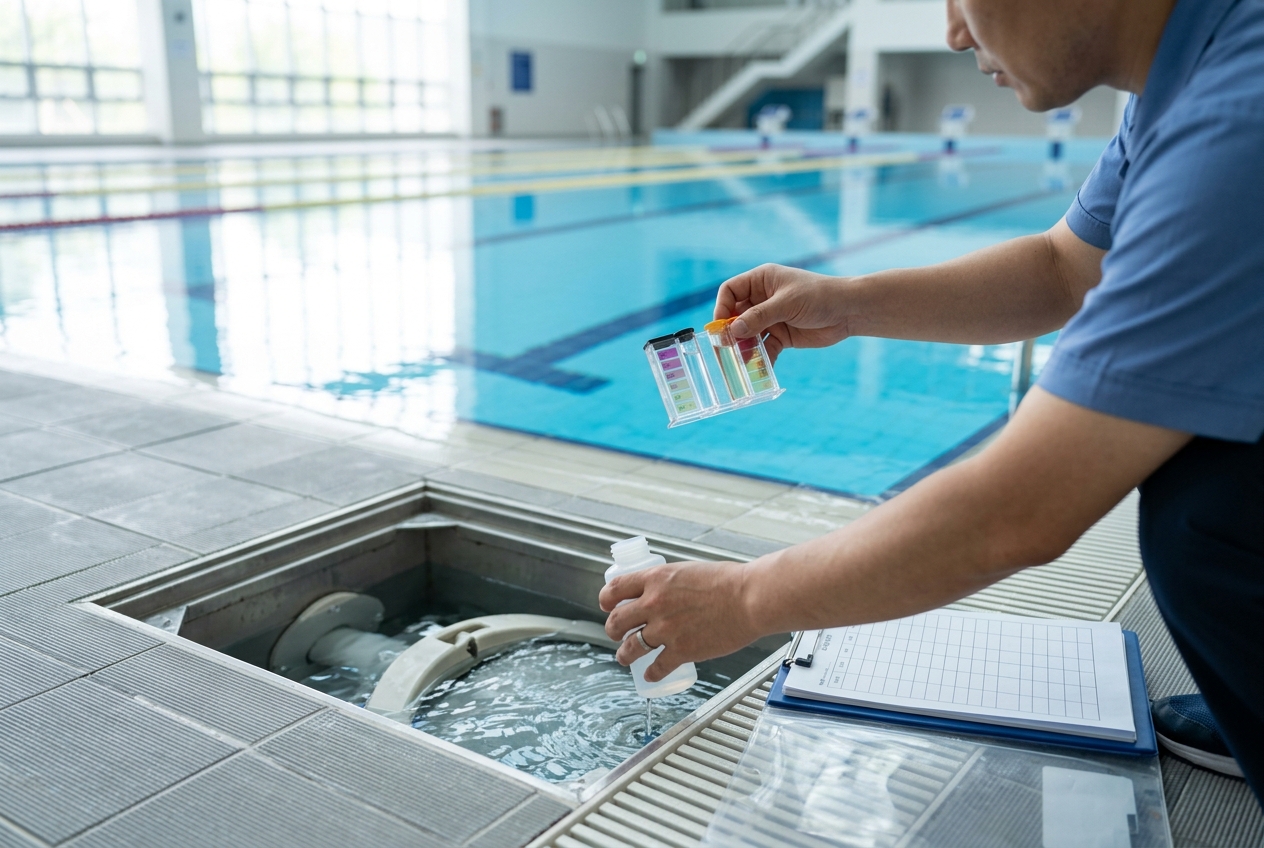
One of the biggest concerns when using a swimming pool is water quality. Public swimming pools usually conduct regular water quality tests according to legal standards and post the results. It is a good habit to check the latest water quality test report on the facility's website or bulletin board before visiting. The key to water quality management is the efficiency of the filtration and disinfection systems. Check if the water is continuously circulating and if there is a specified schedule for regular water replacement or cleaning.
Hygiene that can be checked visually is also important. The water should be highly transparent, the floor tiles should be clearly visible, and there should be no excessive foam or foreign matter floating on the surface. In particular, observing the condition of the tiles on the walls where you turn or around the drains can give you an idea of how meticulously the cleaning is managed. Air circulation inside the pool area is also an extension of hygiene. If the humidity is too high and there is a strong smell of mold, the ventilation system may not be working properly, which can negatively affect respiratory health.
When choosing a swimming pool, consider the frequency of water replacement and the capacity of the filtration system rather than just how clean it looks. Larger centers tend to have more powerful circulating purification systems, so water quality tends to remain relatively stable even during busy hours. If you feel stinging in your eyes or itching on your skin while using the pool, it is highly likely that water quality management is inadequate; you should immediately ask the facility manager or reconsider using the facility. Also, facilities that transparently disclose their water quality management records are more likely to apply stricter standards for maintaining water quality.
Essential Items for Safe Swimming
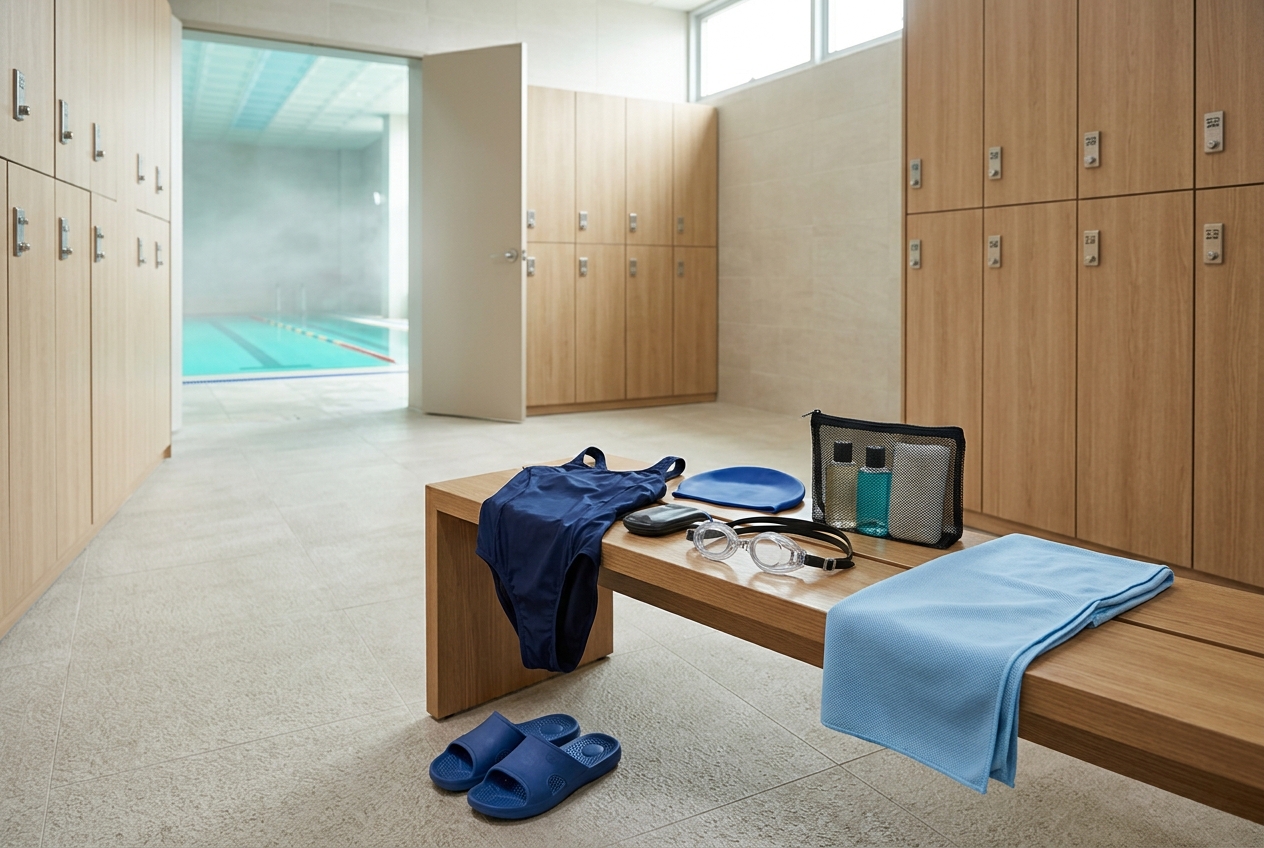
The basic items you must bring when visiting a swimming pool are a swimsuit, swim cap, goggles, and toiletries. The durability of a swimsuit depends on the material. For indoor lessons, polyester material with high chlorine resistance is suitable, and you should choose a size that fits snugly to minimize water resistance rather than one that is too loose. A silicone swim cap holds the hair tightly to reduce water resistance, but it can be somewhat uncomfortable to put on, so for beginners, a type that mixes fabric and silicone is recommended. Choose goggles with an anti-fog coating, and be sure to rinse and dry them with clean water after use to ensure clear visibility.
For personal hygiene, it is recommended to use your own towels, slippers, and toiletries. The pool floor is very slippery, so you must wear non-slip slippers to prevent safety accidents. Also, rinse your swimsuit thoroughly with plain water immediately after use to prevent fabric damage caused by chlorine. Prepare shampoo and body wash, but it is advisable to use biodegradable products inside the pool to protect the environment and prevent water pollution. It is a good idea to include a waterproof pouch in your bag to separate wet swimsuits and gear. Additionally, it is recommended to bring a moisturizing lotion or oil to prevent skin dryness after swimming.
Etiquette You Must Follow When Using a Swimming Pool
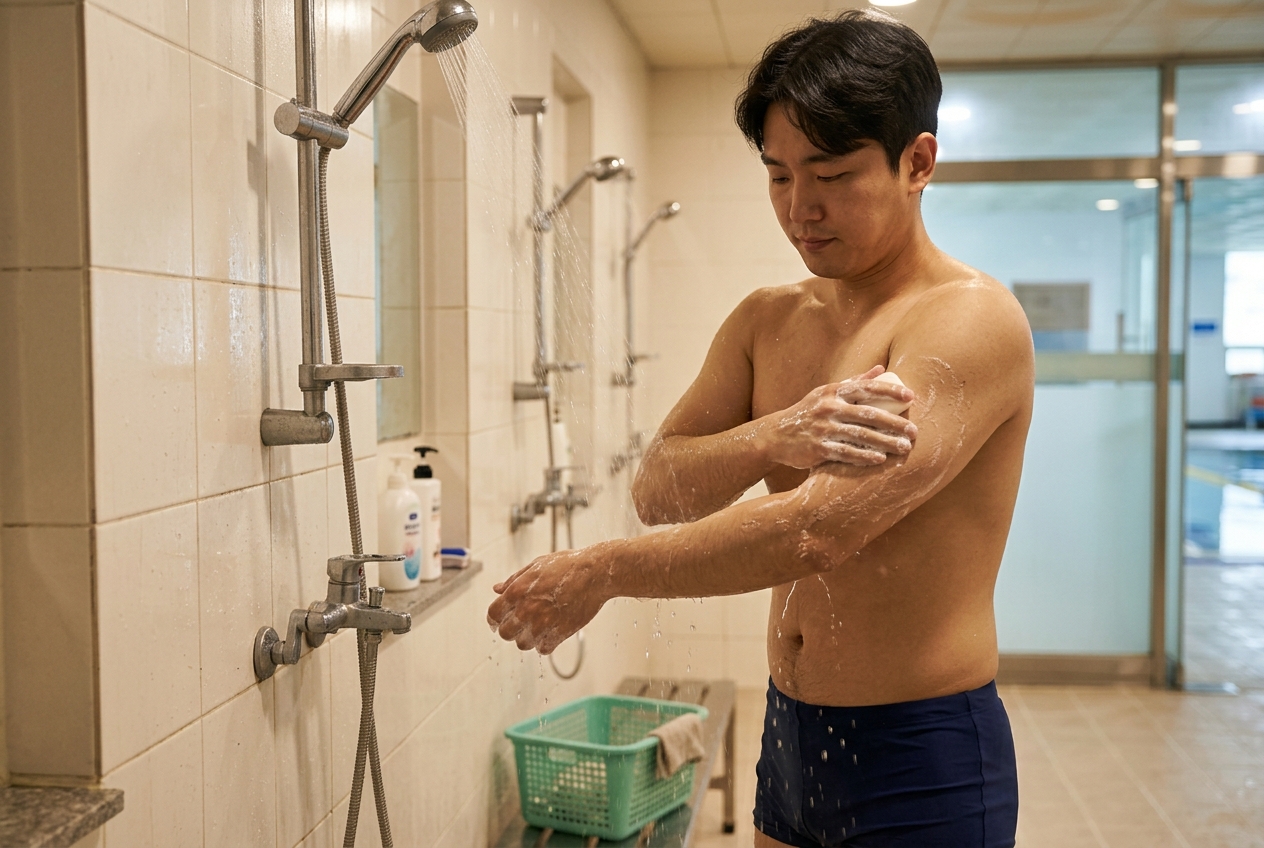
Since a swimming pool is a public space, consideration for other users is essential. You must shower before entering the water to wash off body waste, cosmetics, and sunscreen. This is the most basic and important action to prevent water pollution. Cosmetic ingredients can rapidly deteriorate water quality and react with disinfectants to cause unpleasant odors. Also, when using a lane, choose one that matches your speed. Occupying a fast lane at a very slow speed, or conversely, using a beginner lane at a very fast speed, can cause safety accidents.
Diving is strictly prohibited except in designated areas, and you should refrain from reckless overtaking while swimming. If you collide with someone, you need to stop immediately and check on each other's condition. Also, always be aware that running or playing in the pool can be a major threat to others. In lanes used by many people, follow the rule of keeping to the right and maintain an appropriate distance from the person in front of you to ensure everyone's safety. If you are not feeling well or have a cold, you should refrain from using the pool to avoid the risk of infecting others, which is a sign of mature civic awareness. In particular, not intruding into a lane where lessons are in progress is also an important piece of etiquette.
How Beginners Can Adapt to the Swimming Pool
It is natural for first-time visitors to feel nervous in an unfamiliar environment. For your first visit, rather than free swimming, we recommend registering for a lesson program to learn safe entry methods and breathing techniques. Lessons are conducted under the guidance of experts, so there is less risk of accidents and you can learn the correct posture quickly. At first, the priority is to overcome the fear of water, so take time to get comfortable with the water in the shallow end. Breathing is the absolute basic of swimming; you should practice inhaling above water and exhaling slowly through your nose underwater consistently.
A 10-minute warm-up before swimming is essential. Entering the water suddenly can put a strain on your heart, so take time to adjust your body temperature by slowly splashing water starting from your toes. Especially in winter, the temperature difference between indoors and outdoors is large, so you should warm up longer than usual to fully loosen your muscles. After swimming, shower with clean water to remove chlorine and apply plenty of moisturizer to keep your skin healthy. You may feel hungry after swimming, but it is better to eat a light, protein-rich snack rather than a heavy meal to replenish energy. Beginners should not be overconfident in their skills, always listen to the guidance of safety personnel, and exercise within their physical limits.
Final Summary: For a Healthy Swimming Life
In conclusion, a swimming pool provides the greatest satisfaction when chosen correctly and used safely. The hygiene condition of the facility, choosing a lane that matches your skill level, and etiquette that considers others are the keys to an enjoyable swimming life. Based on the checklist we have reviewed today, we hope you choose a reliable swimming pool and exercise consistently to enjoy a vibrant daily life. Swimming is more than just learning a technique; it is a process of understanding your body and achieving harmony with the water. Let go of impatience and enjoy the pleasure of growing a little bit every day. If you follow safety rules and practice consistently, swimming will become the best hobby to bring vitality to your life. Regular swimming has excellent effects on improving cardiovascular health and relieving stress, so check out a nearby swimming pool today.
Frequently Asked Questions
Why does pool water smell like bleach?
When the chlorine used to disinfect pool water reacts with organic matter in the water (sweat, cosmetics, etc.), a substance called 'chloramine' is created, which causes the characteristic smell. If the smell is too strong, it may be a sign that ventilation is not smooth.
Should I remove my makeup when going to the pool?
Yes, you must remove it. Cosmetic ingredients are a major cause of water pollution and can react with the chlorine in the water to cause skin trouble. Showering before entering the water is essential etiquette.
How long do swimming lessons usually take?
Lesson times vary by facility, but they usually consist of a 50-minute class with a 10-minute break. For beginners, it is recommended to build a foundation through 2-3 lessons per week.
How do I protect my hair after swimming?
The chlorine in pool water makes hair dry. It is recommended to wet your hair with tap water before swimming, and after swimming, use a shampoo specifically for chlorine removal followed by a conditioner to provide sufficient nourishment.