Many people sigh at the news of global oil prices that decorate the morning news every day. It is natural to wonder, 'Why is the fluctuation so severe?' every time you see gas station prices rising. This is because global oil prices are a key indicator that determines not just the price of crude oil, but the overall cost of living. Today, we will take an in-depth look at the principles behind how global oil prices are determined, the chain of events through which they affect our economy, and how we should prepare for these trends.
Who Determines Global Oil Prices and How?

Global oil prices are not actually a single price. There are major benchmark crude types often mentioned in the news, such as West Texas Intermediate (WTI), Brent, and Dubai crude, which serve as reference points for the global oil market. While oil prices fundamentally follow the law of supply and demand, they are intertwined with complex variables such as the political decisions of oil-producing countries and the global economic situation.
The production cut agreement by OPEC+, an association of oil-producing countries, is a representative attempt to artificially adjust prices by controlling supply. Conversely, if concerns about a global economic downturn grow, prices may fall due to expectations that demand for crude oil will decrease. In other words, oil prices are like an 'economic thermometer' that shows how the world views the future economy, rather than just the cost of extracting oil.
Key Variables in the Crude Oil Market
- Geopolitical Risks: Wars or conflicts in major oil-producing regions cause supply chain instability, leading to price spikes.
- Dollar Value: Crude oil is traded in dollars on the international market. If the value of the dollar rises, the relative cost of purchasing crude oil increases, which can dampen demand.
- Inventory Indicators: Announcements of crude oil inventories by major consuming countries like the U.S. have an immediate impact on market sentiment.
These factors can sometimes increase volatility by stimulating speculative demand in the short term. By understanding these trends, we should cultivate the discernment to distinguish whether the current situation is a temporary phenomenon or a structural change, rather than just panicking over rising prices. Understanding the oil price determination structure is a process of grasping the vast flow of the global economy and the invisible hand moving within it, rather than just following numbers.
Furthermore, the influence of the futures market on oil price determination cannot be ignored. As speculative capital flows in regardless of the delivery of physical crude oil, short-term price distortions can occur. Therefore, investors and consumers need a perspective that comprehensively considers not only spot prices but also changes in financial market liquidity.
The Link Between Global Oil Prices and Daily Living Costs

When global oil prices rise, the first thing we feel is the price of gasoline and diesel at gas stations. However, the ripple effect of oil prices does not stop there. Crude oil is a raw material for plastics, fertilizers, and synthetic fibers, and it is the core energy source for all logistics movement. In other words, a rise in crude oil prices leads to a rise in logistics costs, which in turn is reflected in the prices of vegetables and fruits at the supermarket and the cost of food delivery.
The reason experts look at energy prices first when worrying about inflation is precisely because of this 'cost pass-through' phenomenon. Companies have no choice but to reflect rising costs in their product prices, eventually completing a structure where consumer prices rise. Therefore, understanding the flow of global oil prices is the first step in managing household economic risks. Since there is usually a 1-3 month time lag for changes in energy prices to be reflected in perceived inflation, wisdom is needed to prepare in advance for the upcoming price pressure during periods of rising oil prices.
Step-by-Step Economic Impact of Oil Price Fluctuations
First, the prices of energy-related products are adjusted immediately. Second, the prices of fresh food and manufactured goods with high logistics costs rise with a time lag. Third, the overall service prices are pressured due to increased production costs for companies. If you are aware of this process, you need a planned approach to adjust household budgets and optimize consumption patterns during periods of rising oil prices. The rise in logistics costs does not just stop at transportation fuel costs; it has a structure that causes chain reactions in incidental costs such as packaging materials and refrigeration/freezing costs.
In particular, the correlation with public utility charges should also be noted. Since electricity and gas bills are often linked to changes in raw material prices, rising global oil prices are a powerful cause of increased fixed household expenses. This indirect pressure reduces household disposable income, resulting in weakened real purchasing power.
Smart Checkpoints for Utilizing Information
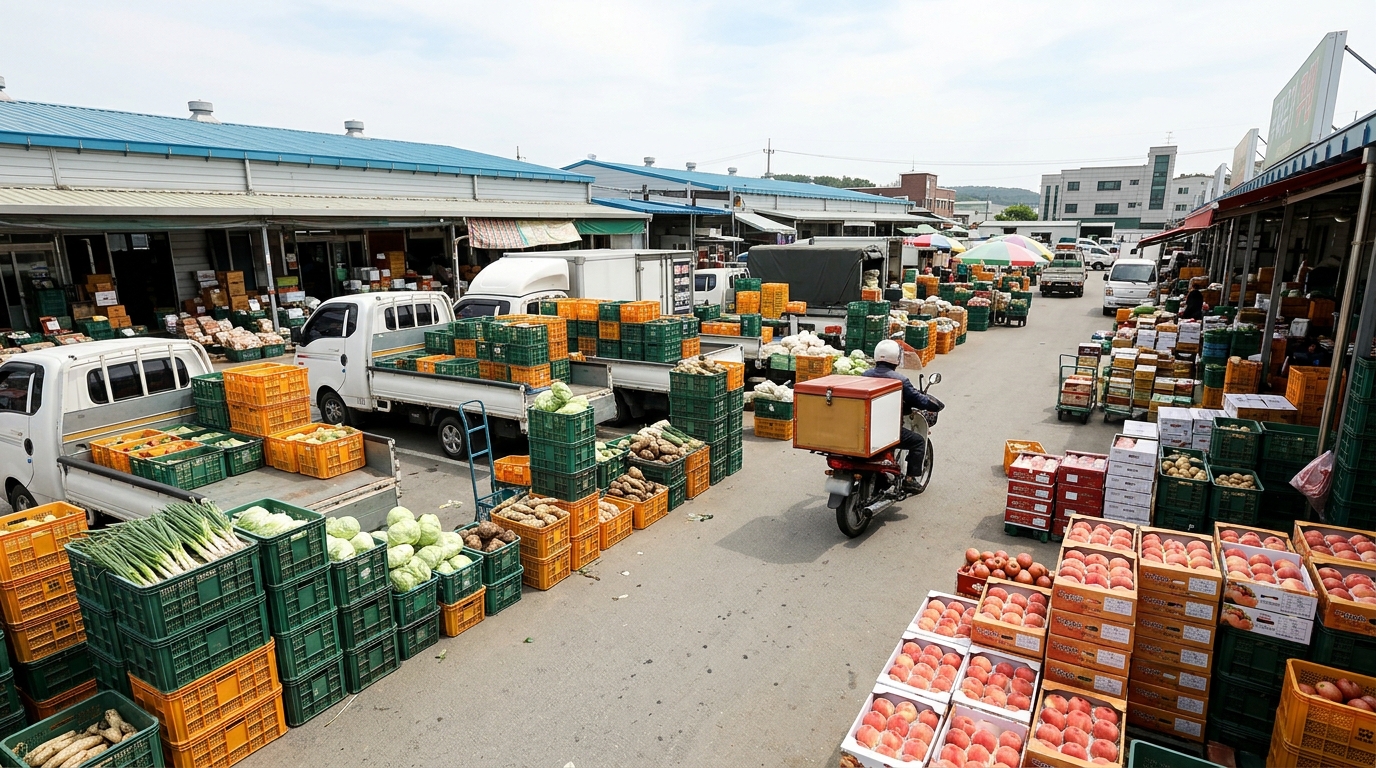
There is a big difference between simply accepting global oil price information as 'expensive' or 'cheap' and reading the trend to reflect it in your economic activities. It is recommended to build a habit of checking daily changing indicators through the content Understanding How to Check Real-Time Global Oil Prices and Their Economic Impact. Beyond just looking at prices, you need to practice identifying the background of why those prices were formed.
Especially during periods when oil prices are expected to soar, you should review your fixed expenses. Small actions, such as checking the efficiency of energy-consuming home appliances or increasing the use of public transportation, create a large economic buffer zone. Recently, you can systematically manage energy spending just by replacing appliances with high energy efficiency ratings or using smart home features to cut off unnecessary standby power.
Items you can use as checkpoints are as follows: First, record your weekly fuel costs and changes in heating costs. Second, grasp market sentiment by watching the flow of ETFs or related stocks closely linked to crude oil prices. Third, regularly subscribe to energy-saving reports provided by public institutions or energy corporations to read macroeconomic energy trends. These habits are the foundation for securing economic initiative, beyond just saving costs.
Economic Response Strategies for Individuals
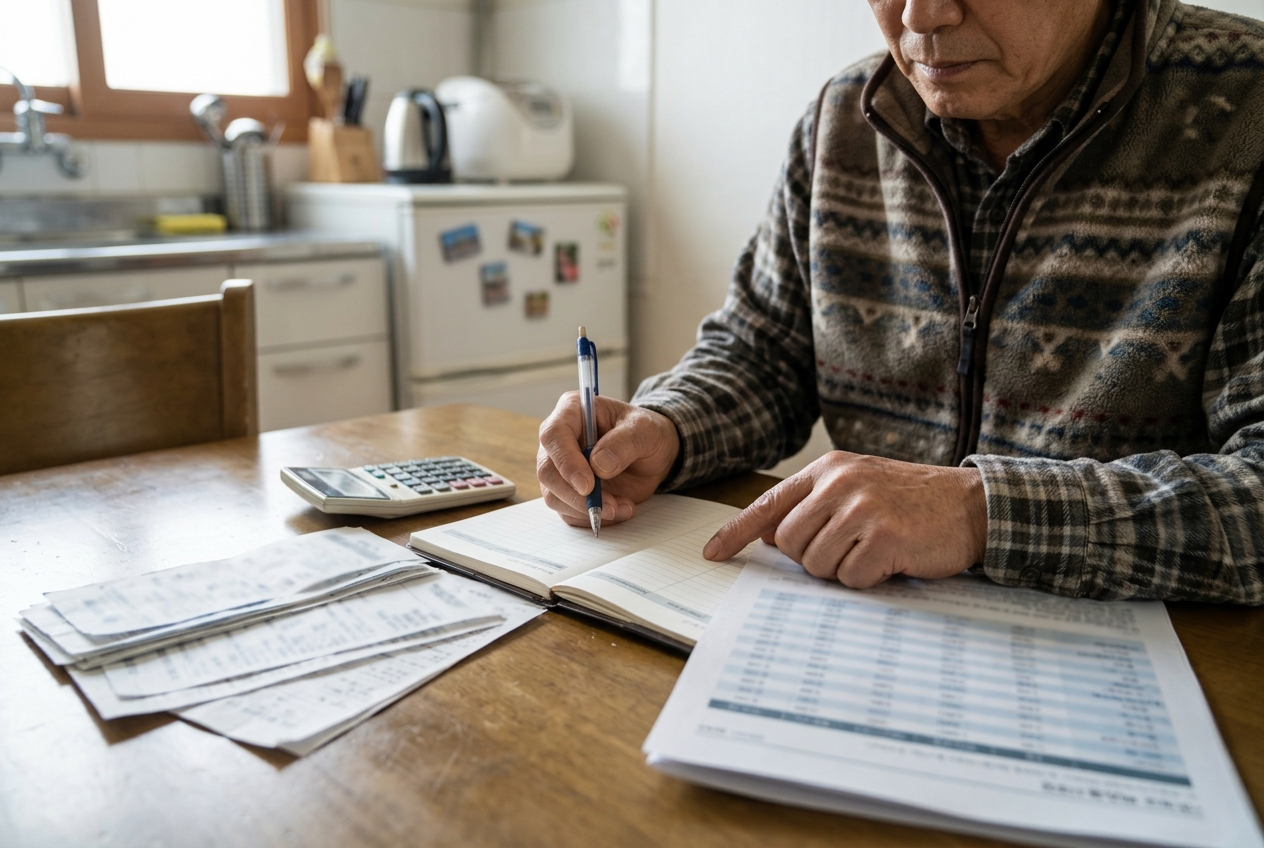
Individuals cannot control global oil prices. However, you can change your strategy for responding to those fluctuations. First, check the proportion of assets exposed to oil price volatility. Investing only in energy-related stocks can be risky. Second, you must have consumption habits that consider energy efficiency. Third, conservative asset management is needed, securing a little more reserve funds than usual to account for price increases due to oil price fluctuations.
Ultimately, economic stability does not start with blocking a giant wave, but with preparing how to navigate the ship when the wave comes. Check the global oil price trends right now and set up your own small budget adjustment plan to prepare for upcoming price fluctuations. During periods of rising oil prices, you can minimize the impact on your household economy just by refraining from impulsive consumption and practicing planned grocery shopping focused on essential consumer goods. Also, during periods of falling oil prices, you should use the savings in energy costs as an opportunity to build the foundation of your assets by converting them into savings or investments.
To suggest a concrete methodology for action, I recommend writing an 'Energy Household Account Book'. Beyond simple expenditure details, if you compare oil prices at a specific time with your energy expenditure, you can identify which consumption habits are vulnerable to oil price fluctuations. For example, if the proportion of fuel costs is high, you can increase efficiency by correcting driving habits or optimizing routes, and if the proportion of electricity bills is high, you can respond with customized measures such as replacing old appliances or installing standby power cut-off switches.
Lastly, while oil price fluctuations may be a temporary phenomenon, the possibility that they contain structural upward factors within the major trend of the energy transition cannot be ruled out. Therefore, rather than stopping at short-term responses, the wisest strategy will be to seek changes in lifestyle that increase energy self-sufficiency or transition to eco-friendly energy in the long term.
Actions to take right now: 1. Check the weekly global oil price fluctuation range through reliable economic media. 2. Settle last month's energy-related expenses (heating costs, fuel costs, etc.). 3. Select two or more items to reduce unnecessary fixed expenses in preparation for inflation. 4. Record the impact of oil price fluctuations on your main consumption patterns as data.
Frequently Asked Questions
Why do all prices rise when global oil prices rise?
Crude oil is used not only as transportation fuel but also as a raw material for plastics and chemical products. Therefore, a rise in crude oil prices increases overall production and logistics costs, which are then reflected in final consumer prices.
Where is the most accurate place to check oil prices?
You can check real-time global oil price indicators on the Korea National Oil Corporation's Opinet or the raw materials section of major economic news portals.
What is the difference between West Texas Intermediate (WTI) and Dubai crude?
WTI is the benchmark for the U.S. market, with high quality and active trading. On the other hand, Middle Eastern crude oil, which Korea mainly imports, is priced based on Dubai crude, so the flow of Dubai crude has a more direct impact on the Korean economy.
What investments should individuals avoid during periods of rising oil prices?
Since rising oil prices can lower corporate profit margins, you should approach investments in industries with excessively high logistics costs or low energy efficiency with caution.