As the electric vehicle market enters a mature phase, the era of choosing a car simply because it is 'electric' has passed. Consumers now carefully weigh driving performance, design, interior livability, and the philosophy pursued by the brand before making a decision. Among these, the Polestar 4 is garnering attention for its unique coupe-like silhouette that breaks the mold of traditional SUVs and its bold design that eliminates the rear window entirely. This vehicle aims to be a new form of mobility that combines digital technology and minimalism, going beyond a simple means of transportation.
Before you commit to a purchase, if you are considering the Polestar 4, please check the following 4 points first. This is the fastest way to reduce trial and error after taking delivery and to determine if this car fits your lifestyle.
1. Adaptability to the Absence of a Rear Window and the Digital Rearview Mirror
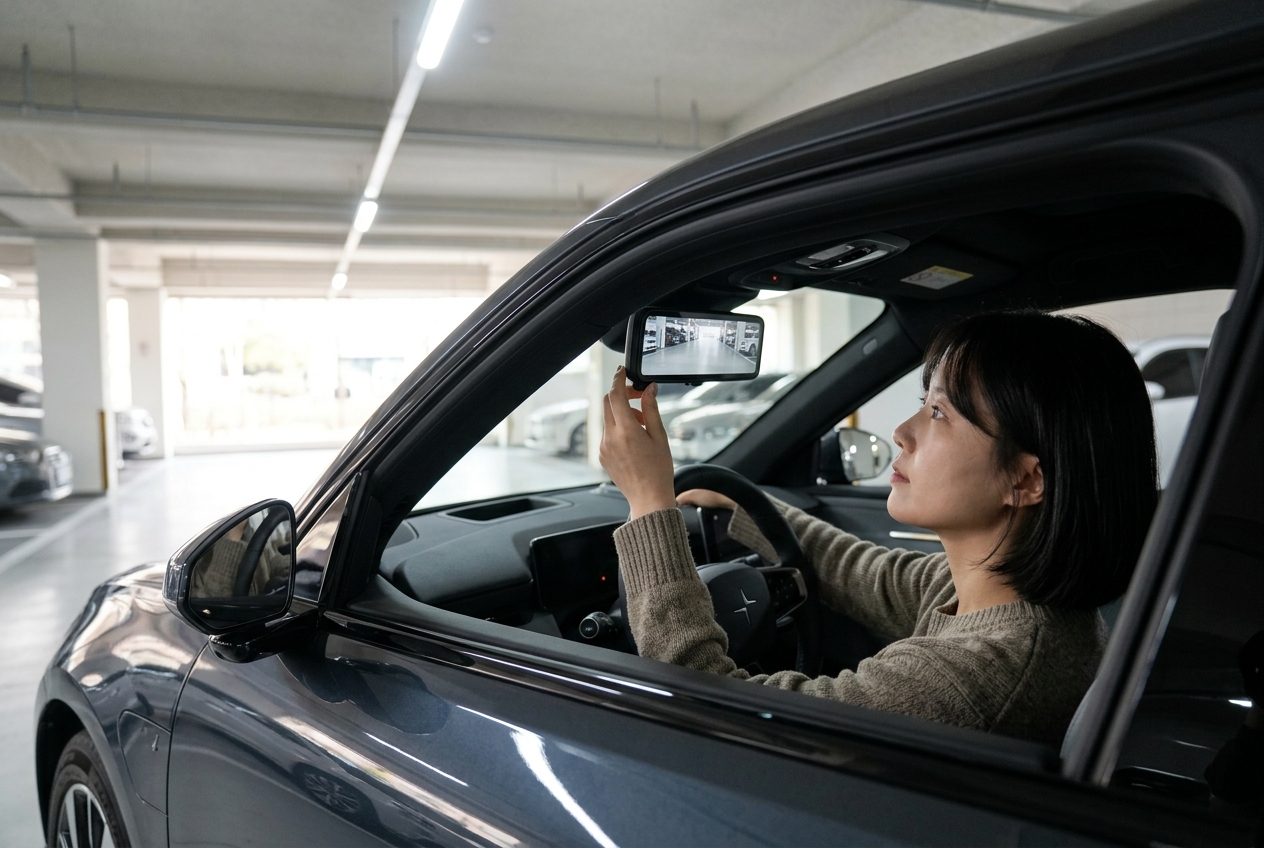
The most significant exterior feature and the center of debate for the Polestar 4 is the lack of a rear window. This structure, chosen for aerodynamic efficiency and to secure rear-seat headroom, provides a completely different field of view compared to standard vehicles. Instead of a physical glass window, the driver checks the rear view through a digital rearview mirror fed by a high-resolution camera.
While this has the advantage of providing a clearer view than a standard mirror at night or in bad weather, drivers accustomed to traditional methods may feel a sense of distance or unfamiliarity. In particular, one must consider that visibility can be limited if the camera lens gets dirty during rain or snow. The key is how quickly the habit of maintaining the camera lens becomes second nature before driving.
The core of the digital rearview mirror is the 'change in focus.' A standard mirror allows you to look directly at the rear through the window, but since the digital rearview mirror is a screen, your eyes focus on the distance of the screen. It may cause eye fatigue at first, but you will naturally adapt over time. If the lens is dirty, a quick wipe with a cloth will immediately restore a clear view. Furthermore, unlike physical mirrors, the digital rearview mirror has excellent anti-glare functionality, dramatically reducing glare from the headlights of following vehicles during night driving. This allows the driver to reduce fatigue and continue driving more safely.
Additionally, while it provides an open, airy feeling for rear-seat passengers, those who have a habit of turning their heads to check the rear directly from the driver's seat should take enough time to adapt to the usability of the digital rearview mirror during a test drive. During the adjustment period, it is safer to actively utilize the Blind Spot Monitoring System when changing lanes. When parking, combining it with the Surround View Monitor allows for much more precise parking than in standard vehicles, so it is a strategy to make active use of this feature.
2. Optimization of Driving Range and Charging Environment
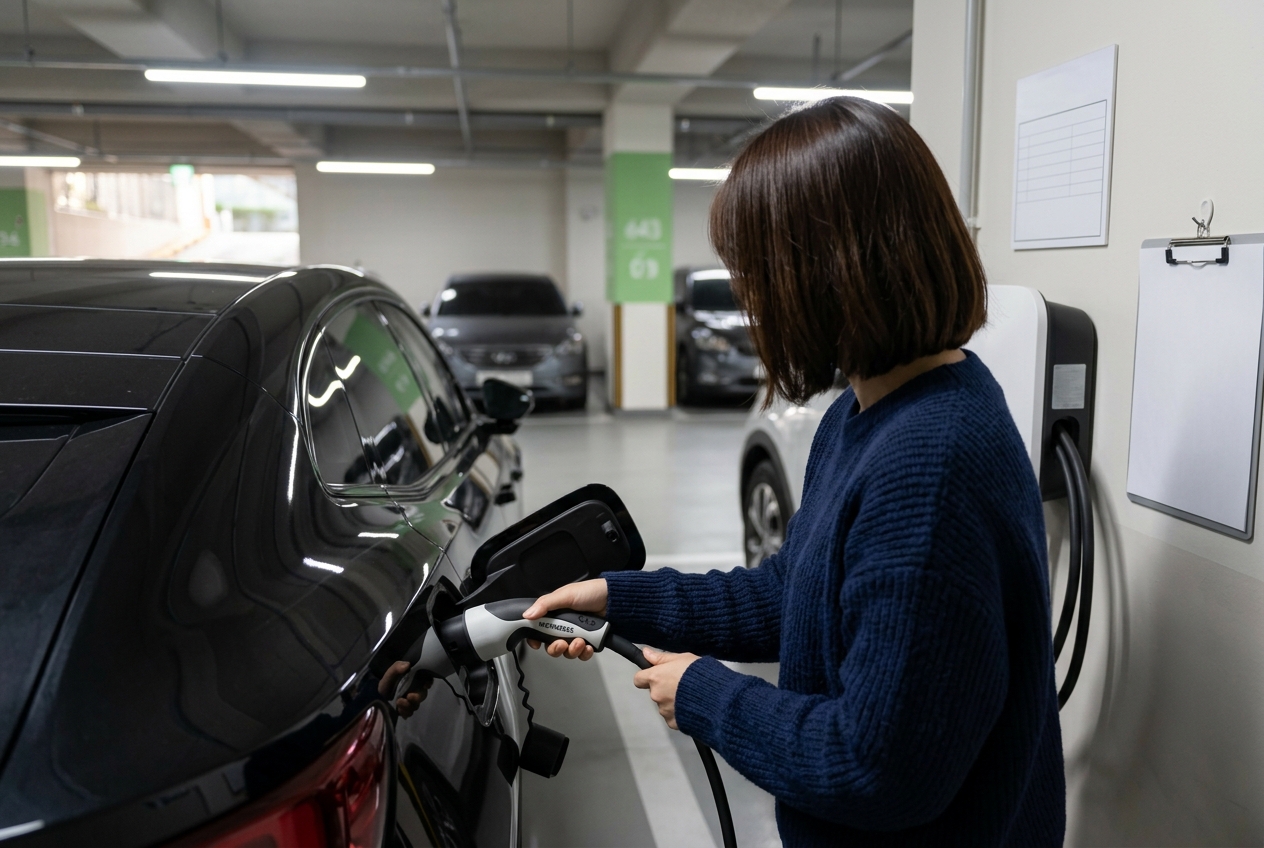
The most important checkpoint when buying an electric vehicle is, of course, the driving range. The Polestar 4 is divided into single-motor and dual-motor models, with battery capacity and efficiency varying by model. You should first identify your daily driving distance and the charging infrastructure on your usual routes. Rather than relying solely on the maximum driving range stated in numbers, you should consider whether your driving style is focused on highways or city driving.
If you have a high proportion of highway driving, the efficiency of the single-motor model may be more advantageous than the output of the dual-motor model. On the other hand, if you enjoy rapid acceleration and dynamic driving, the overwhelming acceleration provided by the dual-motor will further enhance the value of the Polestar 4. Also, the efficiency of an electric vehicle depends on battery temperature management. The Polestar 4 is equipped with a sophisticated battery thermal management system that maintains the optimal battery temperature during fast charging, shortening charging times.
Rather than just chasing a long driving range, check whether you frequently use fast charging or if you have a well-equipped slow-charging environment. The Polestar 4 supports 200kW fast charging for quick power-ups, but actual charging speed can vary depending on surrounding infrastructure and battery temperature. Since the reduction in driving range in cold winter environments is a challenge for all electric vehicles, it is wise to estimate the expected range conservatively, considering the temperature characteristics of your residence. For example, in winter when temperatures drop below freezing, it is psychologically stable to plan your charging assuming about a 20% decrease in efficiency compared to summer. Also, if you have a slow charger at home or work, making a habit of charging after getting off work allows you to start every morning with a 100% charge, which is a key secret to significantly increasing the satisfaction of your electric vehicle life.
3. Balance Between Space Utilization and Ride Comfort
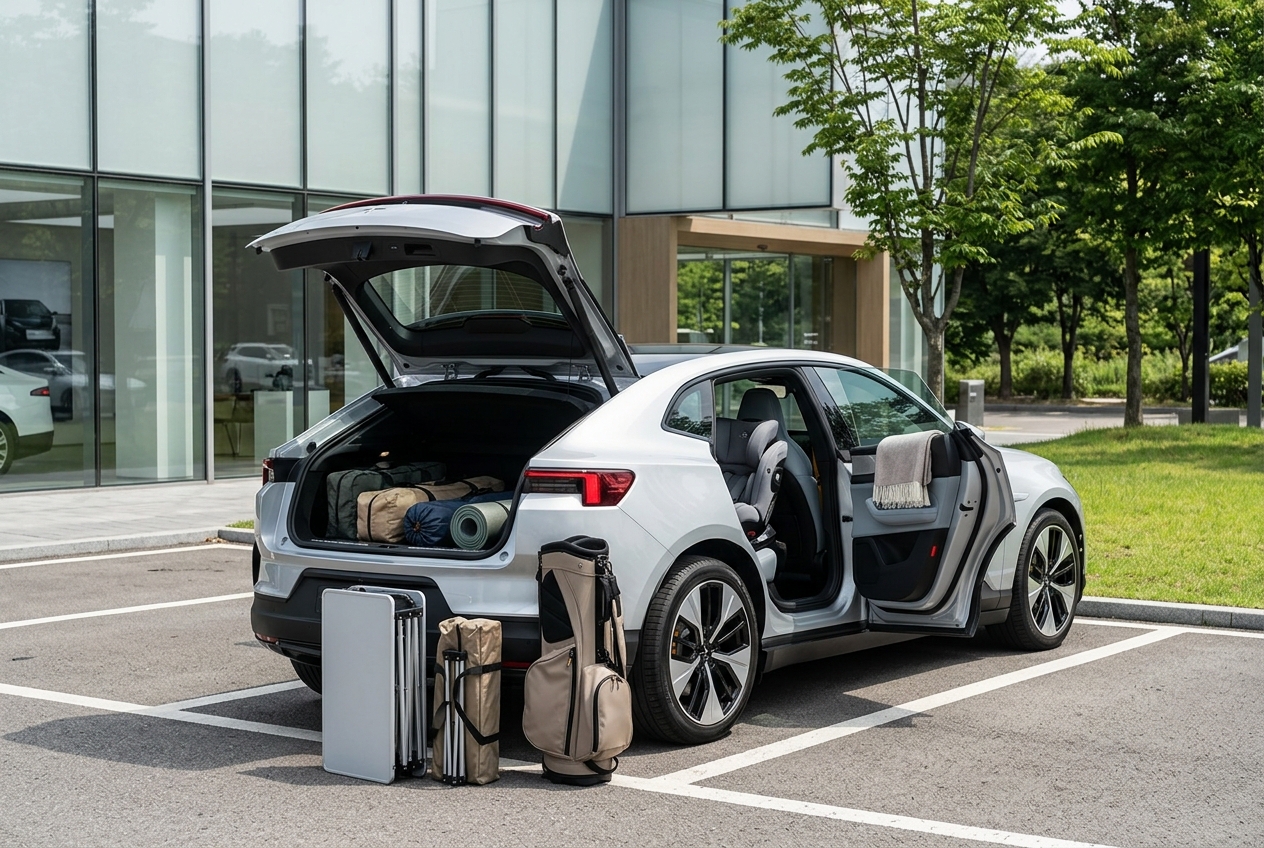
Coupe-style SUVs often sacrifice cargo space or rear-seat convenience to gain design appeal. However, the Polestar 4 secures ample width and wheelbase, showing a more spacious interior than expected. In particular, the rear-seat adjustment function is an important factor that reduces passenger fatigue during long-distance travel. Despite the low roofline characteristic of a coupe, the seat position is designed to be low to secure headroom, making it less cramped even for adult men.
If you plan to use it with family or carry a lot of luggage, we recommend visiting a showroom in person to measure whether a child seat can be installed or to check the actual loading depth of the trunk. The trunk space is generally spacious, but please check the protrusion of the wheel house to see if your usual camping gear or golf bags can be stored efficiently. Rather than just relying on the evaluation that it is 'spacious,' you should confirm whether it is in a shape that can accommodate your actual luggage.
Also, the ride comfort can feel firm depending on the chassis settings; while this increases stability during high-speed driving, the way it handles bumps at low speeds can be a matter of personal preference. The Polestar 4 aims for European-style settings, which tend to deliver road information directly to the driver. If you prefer a soft ride, you should carefully observe the feeling when going over speed bumps and the roll control during cornering during your test drive. This firm chassis setting provides a sense of stability as if the vehicle is gripping the ground during highway driving, which serves to lower the driver's tension during long-distance travel.
4. Software and After-Sales Management Process
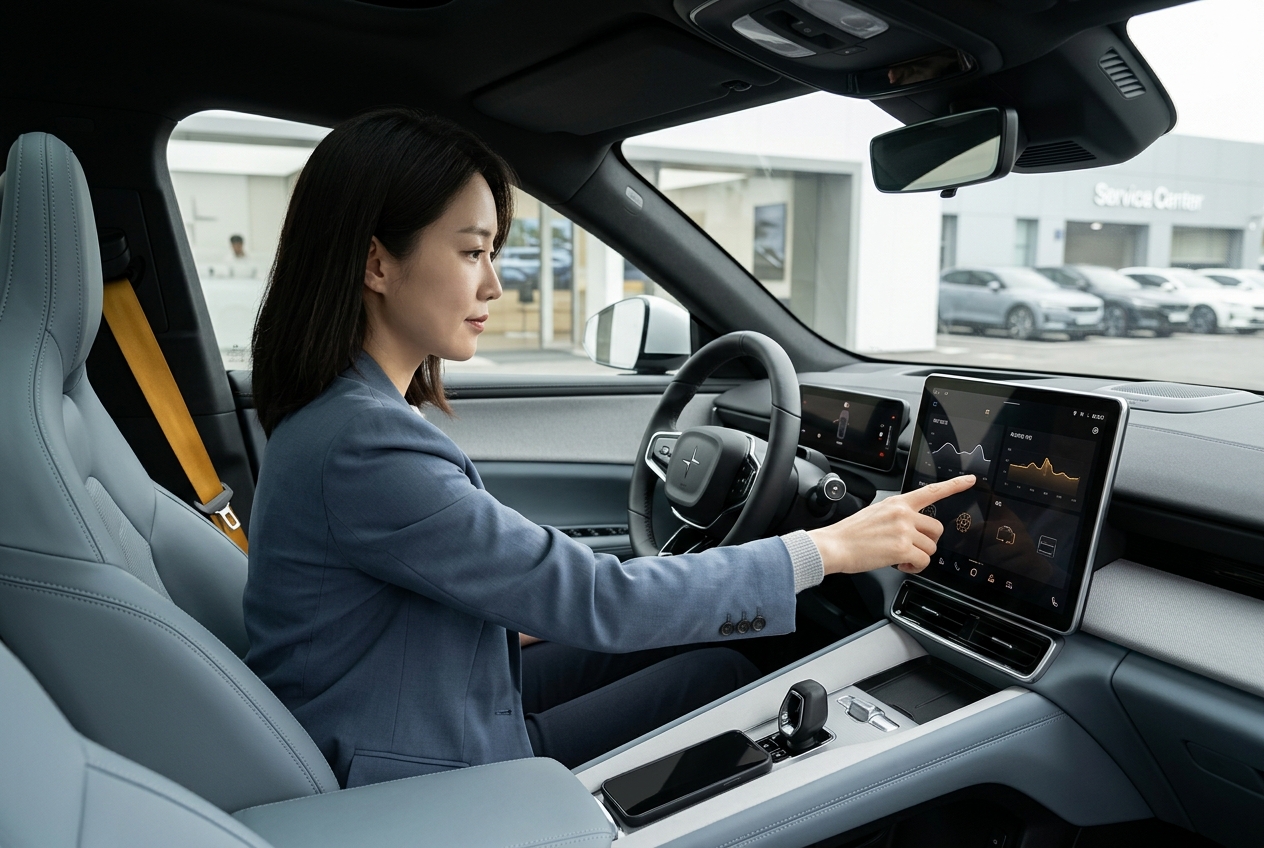
Modern electric vehicles are like one giant computer. You should check in advance whether the Polestar 4's infotainment system and vehicle control software are updated continuously and how accessible the service centers are. While improving vehicle functions through Over-the-Air (OTA) updates is a major advantage, the possibility of experiencing inconvenience during update errors or system stabilization processes cannot be ruled out.
The Polestar software system is based on the Google Android Automotive OS, providing a very intuitive user experience similar to a smartphone. The TMAP infotainment service is integrated, allowing you to fully utilize navigation, music streaming, and voice recognition functions without a separate smartphone connection. This is a factor that provides great convenience to domestic drivers. In addition, various vehicle settings and driving mode changes can be easily operated via the touchscreen, making the interaction between the vehicle and the driver very smooth.
If you check in advance how quickly nearby service centers can respond in the event of vehicle defects or software problems, and how loaner car services or emergency dispatch systems are operated, you can significantly reduce future stress. Checking the evaluations of service centers by region through the official website or communities is also a good method. It is also important to understand the regular free inspection period and consumable replacement cycle in advance to create a maintenance plan. Since Polestar operates various digital platforms to expand customer touchpoints, actively utilizing reservation services through the app or real-time consultation functions can minimize the hassle in the after-sales management process.
Precautions: Exceptional Situations to Check Before Purchase
No car can be perfect. We have summarized the parts that are easy to miss when choosing the Polestar 4. First, the parking lot structure. The car body is low and wide, so use of some narrow mechanical parking lots may be restricted. It is recommended to check the parking facility specifications of your residence or buildings you visit frequently in advance. Second, insurance premiums. Electric vehicles tend to have higher insurance premiums because parts are more expensive and repair labor costs are set higher than those of general internal combustion engine vehicles. Please check quotes in advance through direct insurance comparison sites.
Third, rather than vague anxiety about the residual value of used cars, ask yourself if you plan to fully utilize this car for at least 5 years. Depreciation is the fate of all new cars, but the satisfaction gained when choosing a vehicle that perfectly fits your lifestyle is much greater. Premium electric vehicles like the Polestar 4 tend to have decent depreciation defense in the long run, reflecting brand value and technical superiority. Finally, a test drive is essential. Rather than a short 15-minute test drive, it is better to drive on the roads you usually take for a longer period if possible.
In conclusion, the Polestar 4 is an attractive option for drivers who value design, performance, and digital experience. Based on the checklist mentioned above, organize your priorities. You need a process of answering for yourself whether the satisfaction provided by the design can offset the inconvenience of the digital rearview mirror, or whether practicality is more important than design. Rather than relying solely on others' evaluations, sit in the driver's seat yourself, check the visibility, and press the accelerator pedal to judge if it is the right car for you.
Ultimately, the best car is the one that makes your daily life most comfortable and enjoyable. We recommend that you book a nearby showroom right now, get behind the wheel yourself, and check if it fits you. The Polestar 4 is ready to be a partner that will inspire your daily life beyond being a simple means of transportation. We hope you examine it carefully and enjoy it fully so that your choice becomes a decision without regrets.
Frequently Asked Questions
Is it inconvenient to park because the Polestar 4 has no rear window?
It may feel awkward at first, but if you utilize the digital rearview mirror through the high-resolution camera and the surround view monitor, you can secure a wider and clearer field of view than in a standard vehicle. However, we recommend doing a parking test during a test drive to adapt.
Does the driving range drop significantly in winter?
All electric vehicles have reduced battery efficiency at low temperatures. Although the Polestar 4 is also equipped with a heat pump system, you should keep in mind that the driving range can decrease by about 20-30% compared to normal in sub-zero temperatures.
What is an OTA update and why is it important?
OTA is a function that updates vehicle software wirelessly without visiting a service center. Through this, continuous vehicle management is possible, such as improving vehicle convenience functions or optimizing driving performance.
Where is the most efficient place to charge?
The best thing is to secure an environment where slow charging is possible, and for long-distance travel, utilize fast chargers at highway rest areas. You can save time by checking information on chargers that support the vehicle's maximum charging speed in advance.