When planning a trip to Thailand, the first thing you check is the Thai Baht (THB) exchange rate. While travel expenses vary depending on individual spending patterns, the perceived cost can change significantly based on how the exchange rate moves. Going beyond simply thinking, 'The exchange rate went up today,' determining the favorable timing and method for currency exchange is the first step toward enhancing the quality of your trip. Thailand still has a high proportion of cash usage, and because transaction fees vary depending on the payment method, a basic understanding of the exchange rate is essential.
Volatility and Basic Understanding of the Baht Exchange Rate
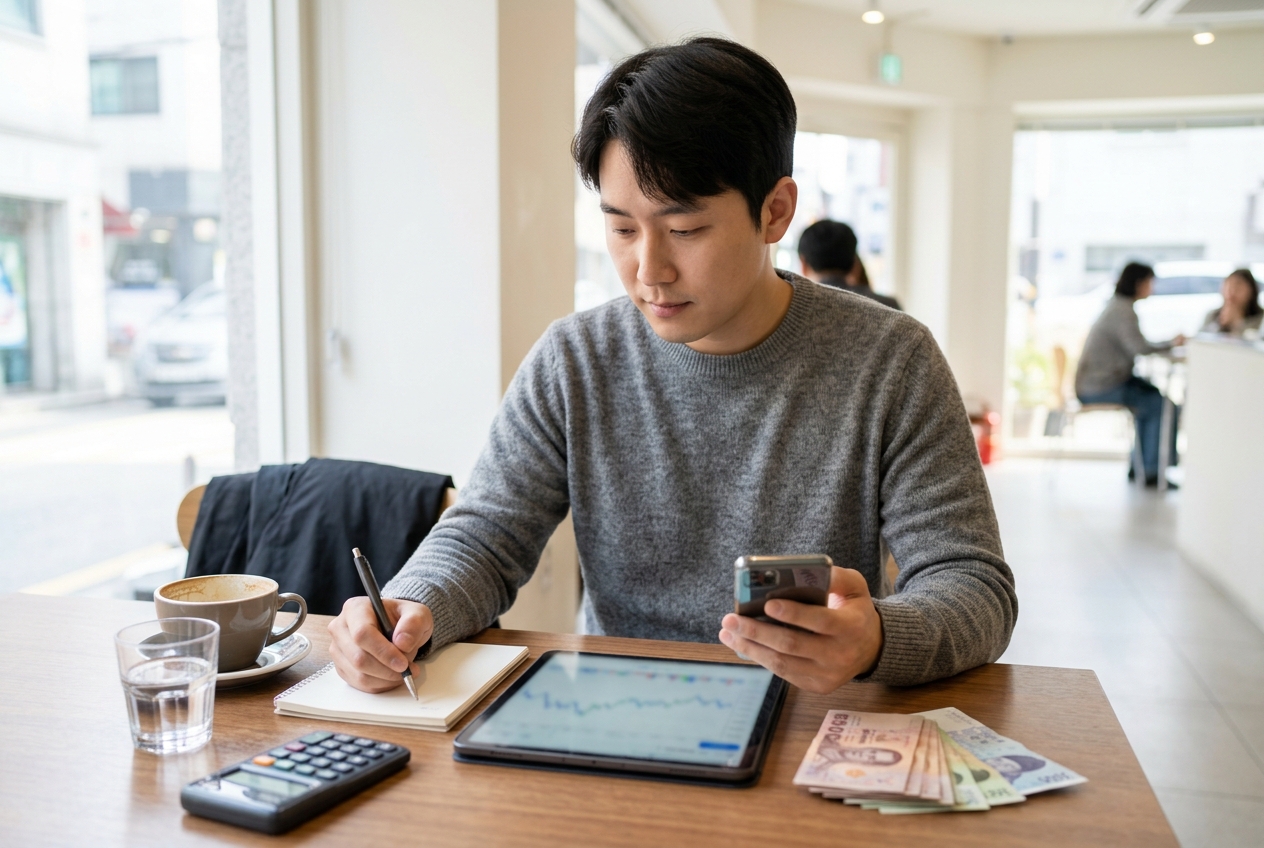
The Baht exchange rate changes daily due to various global factors, including the Thai economy, international oil prices, and U.S. interest rate policies. From a traveler's perspective, the first thing to remember is the difference between the 'base rate' and the 'cash buying rate.' The exchange rate posted by banks differs from the amount you actually receive when exchanging currency. You should set your budget based on the 'cash buying rate,' which includes exchange fees, to accurately predict your actual spending.
It is a good habit to check trends over 1-month, 3-month, and 1-year periods when looking at exchange rate graphs. Rather than being swayed by short-term fluctuations, it is wiser to grasp the larger trend to adjust your exchange timing. For example, if your trip to Thailand is three months away, a split-exchange strategy—exchanging small amounts when the rate temporarily drops—can be advantageous. Since the Thai Baht can be more volatile than major currencies, you need a stable funding plan that includes exchanging money in advance to prepare for sudden spikes in the exchange rate.
Checkpoints for Exchange Rate Fluctuations
First, you must understand the correlation with the U.S. Dollar. Since the Baht is influenced by the strength of the dollar, the Baht is likely to be stable when the dollar exchange rate is stable. Second, actively use the 'exchange rate alert' feature in your banking app. Setting a target rate allows you to receive notifications when that figure is reached, which is much more efficient than manual monitoring. Third, you must check the exchange fee preferential rate. Since fee benefits vary depending on your bank membership tier, it is important to compare multiple banking apps and choose the one that offers the lowest cost.
As a practical method, I recommend recording the exchange rate once a week for one month before your trip to calculate an average. This provides an objective standard to judge whether the current rate is expensive or cheap. Additionally, during periods of extreme volatility, it is safer to use a diversification strategy: exchange about 30% of your travel budget in advance and use a travel card for the rest based on local conditions.
Exchange Strategies and Scenarios by Situation

The best exchange method depends on the traveler's situation. Check which category your travel style falls into.
1. Planned Exchange for Office Workers
If your travel dates are set, you should consistently monitor the exchange rate during the preparation period. A step-by-step approach is needed: Step 1: Set up exchange rate alerts via your primary bank app, Step 2: Exchange in small increments when the target rate is reached, Step 3: Use an exchange booth with high preferential rates for any remaining amount just before the trip. Since office workers are often busy, you can save time by applying for mobile exchange and picking it up at the airport branch instead of visiting a bank branch.
2. Dealing with Sudden Additional Local Expenses
There are times when you run out of cash due to unexpected shopping or local tour costs. In this case, don't panic; it is better to use a local ATM or a travel card. However, you must consider that withdrawal fees occur when using local ATMs in Thailand. While withdrawing a large amount at once is advantageous in terms of saving on fees, it is wise to withdraw reasonable amounts to mitigate the risk of loss.
When using a card locally, it is very important to pay in the 'local currency (THB).' If you pay in your home currency (e.g., KRW), DCC (Dynamic Currency Conversion) may be applied, resulting in additional fees. If the payment terminal screen offers a currency choice, always select the Thai Baht. Failure to do so can result in an additional fee of approximately 3–8%, so be careful.
A precaution when using local ATMs is to check the monthly limit of your 'fee-free card' in advance. Some ATMs at specific banks in Thailand charge their own usage fees even if you use a fee-free card. Therefore, if a fee notification appears on the ATM screen, don't panic; you need the flexibility to either include that amount in your withdrawal calculation or look for another bank's ATM.
Practical Tips to Reduce Fees
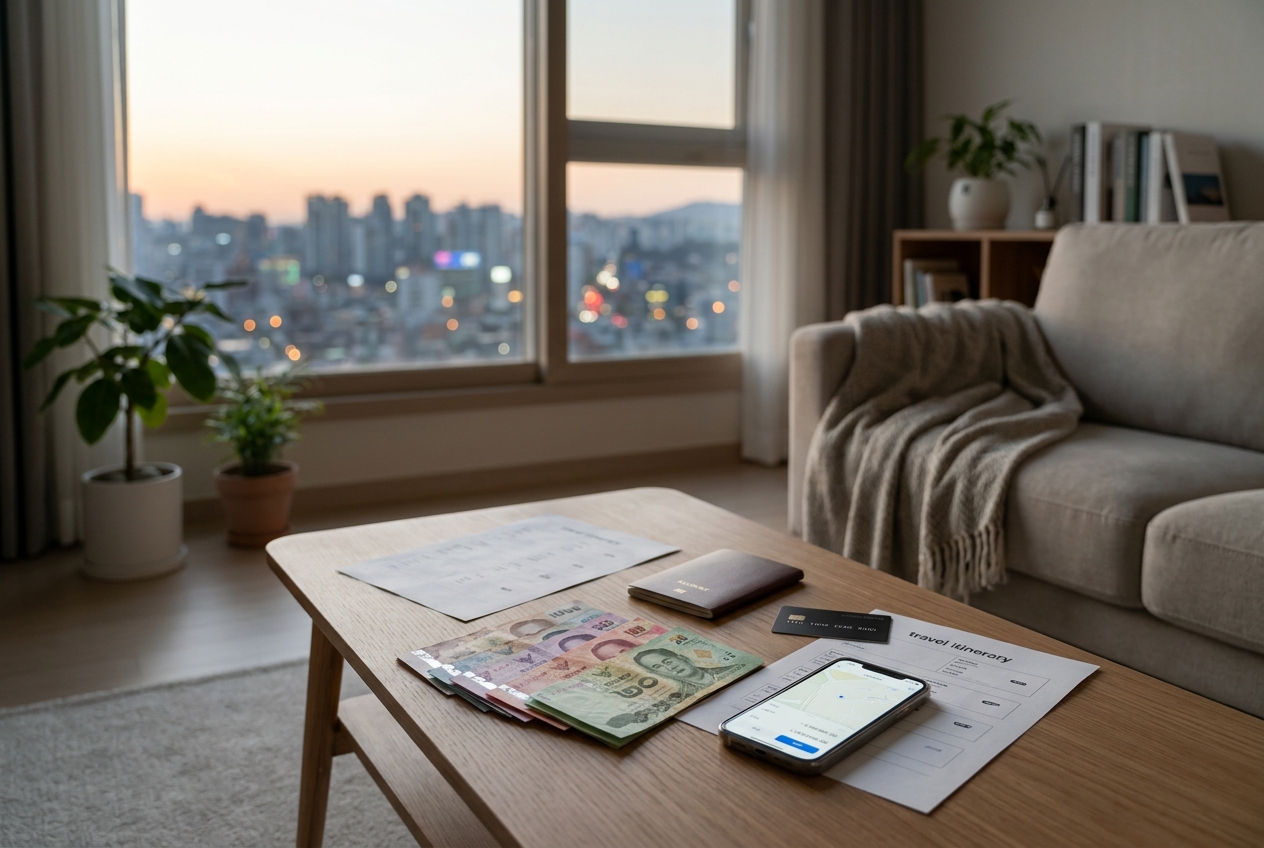
Exchange fees can take up a surprisingly large portion of your travel budget. To minimize this, you should check the following: First, compare the exchange preferential rates offered by mobile apps of major commercial banks. Many offer 80–90% preferential rates. Second, since airport exchange booths have the highest fees, it is better to exchange only a minimum amount for emergencies and exchange most of your budget in advance via city banks or mobile apps.
Also, more travelers are using overseas payment-specialized cards like Travel Wallet or Travel Log. These cards offer benefits such as applying real-time exchange rates or waiving exchange fees for certain currencies, reducing the burden of carrying large amounts of cash. However, as a rule, always carry some cash in case your card is not accepted locally. When using a card, always memorize your PIN and save the card company's contact information so you can immediately suspend the card if it is lost.
Precautions for Currency Exchange
You must bring your passport when using private currency exchange booths in Thailand. Also, since exchange rates can vary by booth, it is a good idea to compare the rates of famous booths (e.g., SuperRich) with bank rates. When exchanging cash, it is advantageous to prepare 50,000 KRW bills or 100 USD bills. Higher denominations often receive better exchange rates. Conversely, small denominations may receive lower rates or be rejected entirely when exchanged locally, so be careful.
A way to establish a comparison standard is to compare the rates of 'airport exchange booths,' 'city private exchange booths,' and 'travel cards' at the same time. Usually, travel cards offer the cheapest rates, but since local private booths sometimes offer better preferential rates, researching the rates of booths near your accommodation is also a good strategy.
Exchange Rate Fluctuations and Expense Management During the Trip
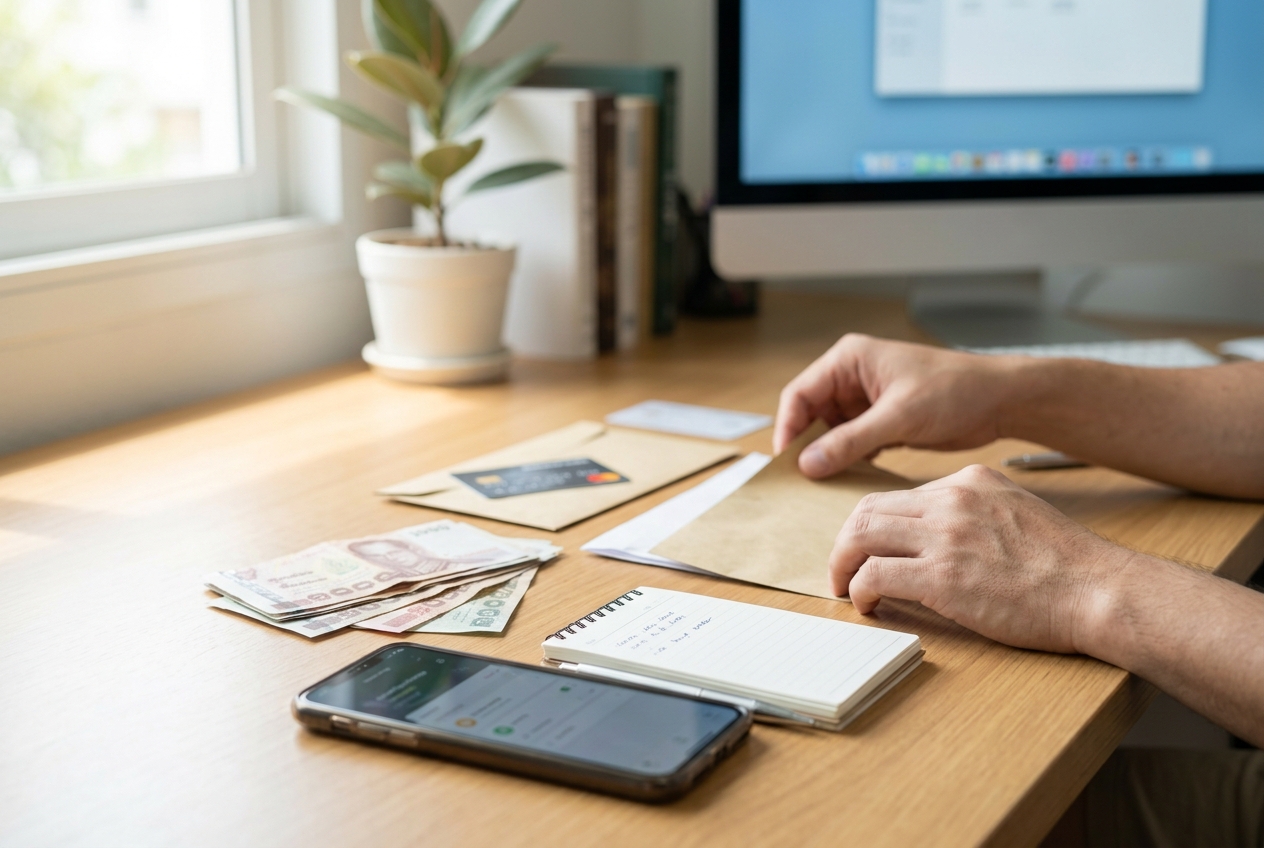
Exchange rates continue to change during your trip. If you have already completed your exchange, it is better for your mental health not to worry too much about rate fluctuations. However, be aware that when you convert remaining money back to your home currency after returning home, you may lose money compared to the time of exchange. Therefore, on the last day of your trip, it is a way to reduce exchange losses to spend all remaining Baht locally or keep them for your next trip.
Finally, financial information can change frequently due to policy shifts. You should make it a habit to re-verify the latest information regarding bank exchange preferential policies or card company overseas usage benefits via their respective apps or customer service centers before departing. Thorough preparation helps reduce travel anxiety and allows you to focus more on the enjoyment.
The most realistic countermeasures for each situation are as follows: It is most economical to lower the average unit price through split-exchanges before the trip, avoid home currency payments locally, and choose ATM withdrawal strategies that consider fees in emergencies. These management habits will be a great asset not only for your trip to Thailand but also when preparing for future overseas travel. Travel expenses are not just about saving; managing them efficiently and using them more valuably where needed is the key to increasing travel satisfaction. In particular, if you record your daily Baht spending converted to your home currency as if writing a household ledger, you can track how much you are spending within your travel budget in real-time, which has the effect of preventing overspending.
Frequently Asked Questions
Where can I check the Baht exchange rate most accurately?
Checking real-time exchange rate information on Naver Finance or major commercial bank apps is the most accurate. However, since there may be differences in the rates posted by each bank app, we recommend checking the app of your primary bank.
Is cash or a card more advantageous when traveling to Thailand?
Cash is essential for small shops or street food vendors. However, for large shopping malls, hotels, and restaurants, using an overseas payment-specialized card is recommended as it can reduce exchange fees and lower the risk of loss.
What should I be careful about when using an ATM in Thailand?
Local ATMs in Thailand charge a fee per withdrawal. It is economical to withdraw the amount you need at once to reduce the number of transactions, and check in advance if your card company offers fee waiver benefits.
Why is paying in home currency (DCC) dangerous?
If you pay in your home currency, additional exchange fees are added compared to paying in the local currency, making the final payment amount larger. It is always advantageous to pay in the local currency, the Baht (THB), when abroad.