Many people tend to lump Tesla into the single category of 'electric vehicles.' However, there is a significant gap in perception regarding the nature of the vehicle between those who have experienced Tesla and those who have not. It is true that exaggerated information is circulating, such as the idea that Tesla guarantees perfect autonomous driving or that it is a car with absolutely no charging worries. Today, we will correct several misconceptions surrounding the Tesla brand and look specifically at the facts that must be weighed from a practical purchase and operation perspective.
Tesla's Autonomous Driving: How Much Should You Really Trust It?
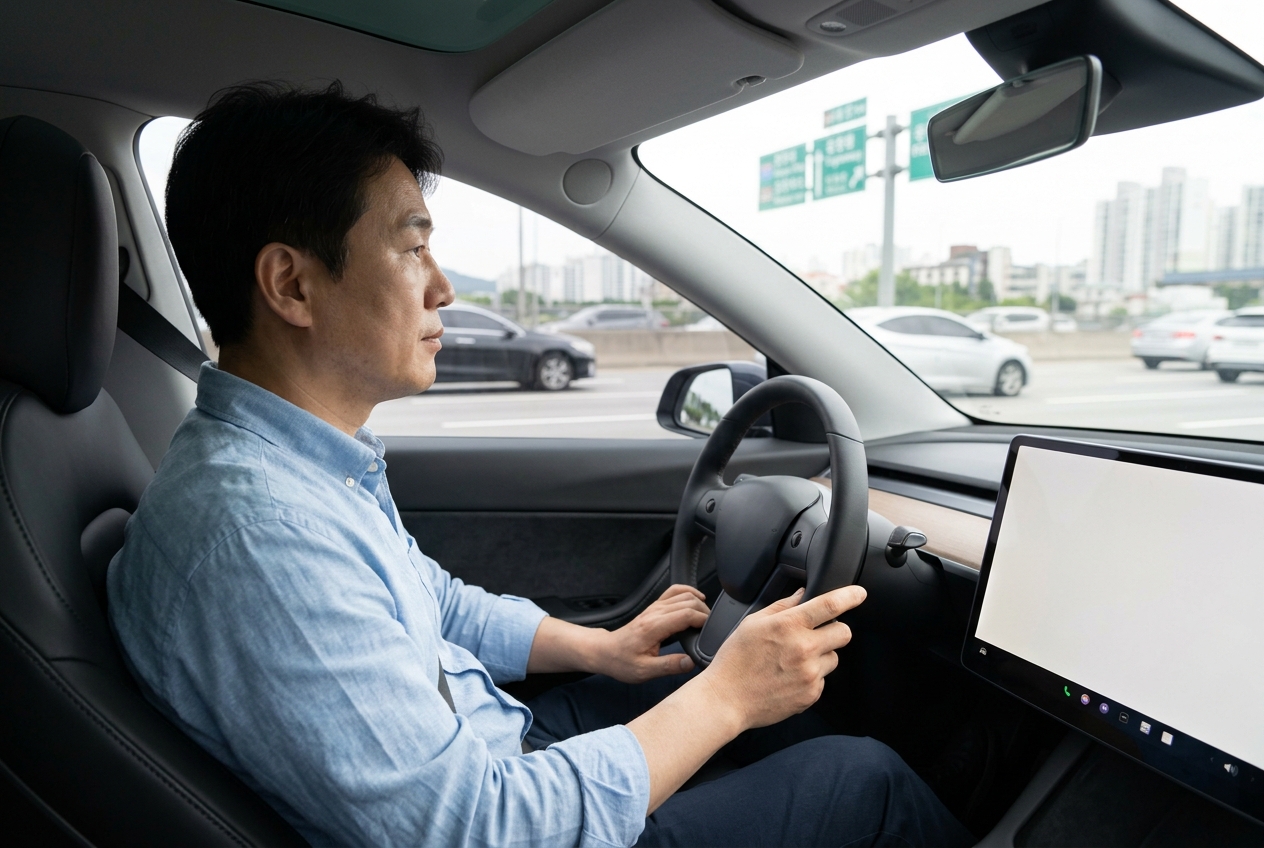
One of the biggest misconceptions is the belief that Tesla's 'Autopilot' or 'FSD (Full Self-Driving)' features provide perfect autonomous driving that allows the driver to take their hands off the wheel and sleep. The reality is quite the opposite. Tesla's technology strictly falls under the category of a 'driver assistance system.'
The driver must always keep their eyes on the road and be ready to intervene immediately if the system makes a dangerous decision. Many accident cases stem from a misunderstanding of the term 'perfect autonomous driving.' While it is certainly true that it significantly reduces fatigue during highway driving, the system's limitations are clear in complex urban environments or unpredictable, sudden situations. Therefore, when operating a Tesla, you must enjoy the convenience of the technology while clearly recognizing that the responsibility always lies with the driver.
In actual application, FSD provides excellent convenience for tasks like lane changes or entering highways. However, do not forget that this is merely an auxiliary tool and that it is an active process where the driver must monitor and control all vehicle movements. Particular caution is required in adverse weather conditions like rain or snow, or in environments where sensors are easily contaminated, as system performance may degrade. You should always keep a light grip on the steering wheel in case the system suddenly deactivates and develop the habit of predicting variables based on road conditions. Furthermore, in environments with many unpredictable variables, such as narrow alleys or construction sites, there may be blind spots the system cannot perceive, so being prepared for the driver to switch to manual control immediately is the key to safe driving.
Misconceptions About Charging Infrastructure and Battery Management
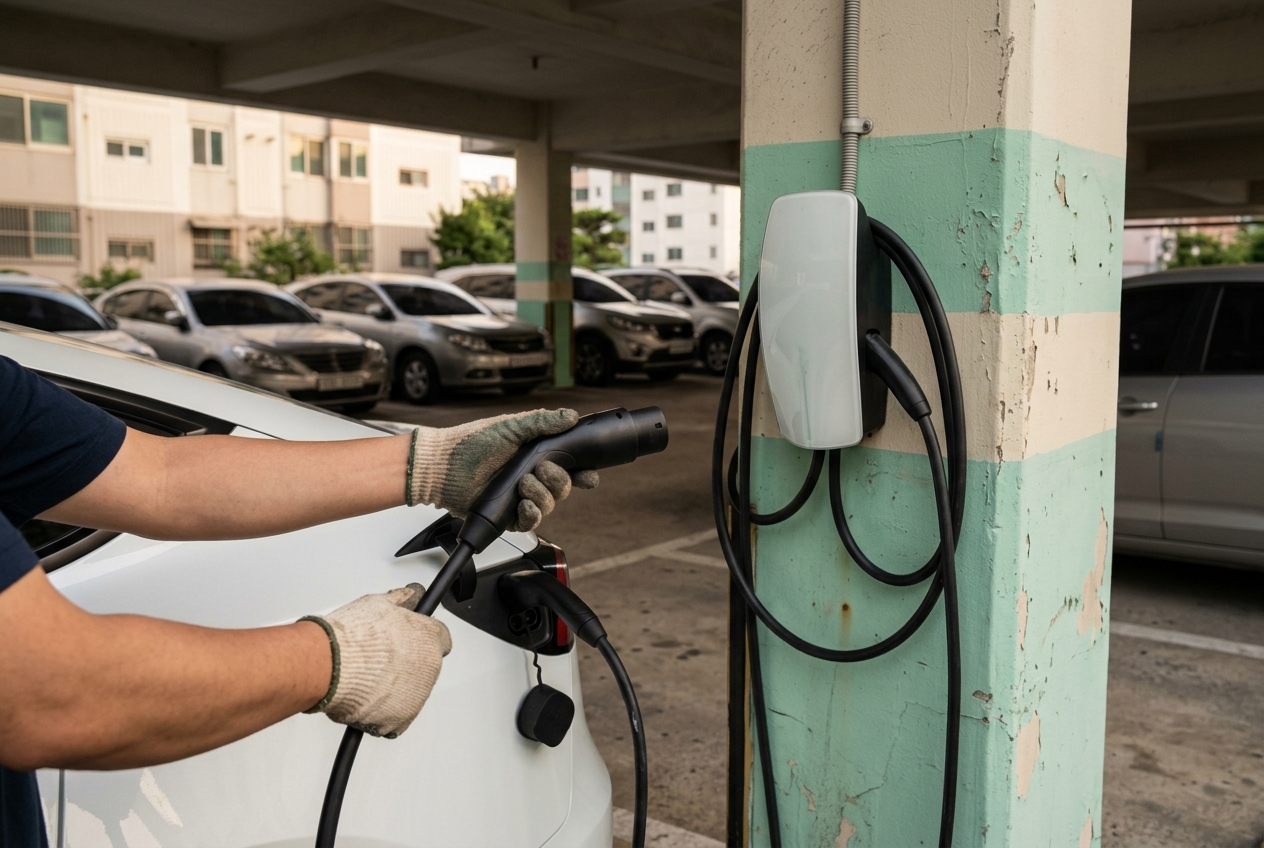
Tesla is often evaluated as having low charging stress due to its proprietary 'Supercharger' network. However, the actual experience varies greatly depending on your living environment. If you live in an apartment and it is difficult to install a slow charger, you must rely on Superchargers, and you should not overlook the fact that queues may form or charging costs may increase during certain times of the day.
Battery management is also an important checkpoint. While Tesla's Battery Management System (BMS) is very sophisticated, maintaining a 100% charge at all times is not necessarily good for battery health. It is recommended to limit charging to 80-90% for daily driving and only charge to 100% for long-distance trips. Also, Tesla is not immune to the unique electric vehicle phenomenon where driving range drops noticeably in cold winter environments. To maximize battery efficiency, it is best to use the pre-conditioning feature before departure, and using indoor parking whenever possible helps maintain battery condition.
| Comparison Item | Misconception | Actual Fact |
|---|---|---|
| Charging Convenience | Charging is very fast everywhere | Varies greatly depending on Supercharger location and environment |
| Autonomous Driving | You can sleep with full self-driving | It is a driver assistance system; constant monitoring is required |
| Maintenance | No engine oil, so no maintenance needed | Periodic checks of tires, coolant, brake fluid, etc., are essential |
As shown in the table above, many people think Tesla is a car that requires no maintenance, but managing consumables is very important for electric vehicles as well. In particular, you should include in your budget plan the fact that tire wear can be faster than in internal combustion engine vehicles due to powerful torque and heavy vehicle weight. Using tires dedicated to electric vehicles is advantageous for securing driving range and suppressing noise, and rotating tires regularly to maintain even wear is an economical way to operate the vehicle. Also, while brake pads wear less due to the regenerative braking system, they are at risk of rusting or seizing if not used for a long time, so occasional strong braking is necessary to keep the brake system functioning normally.
Software Updates and Vehicle Evolution
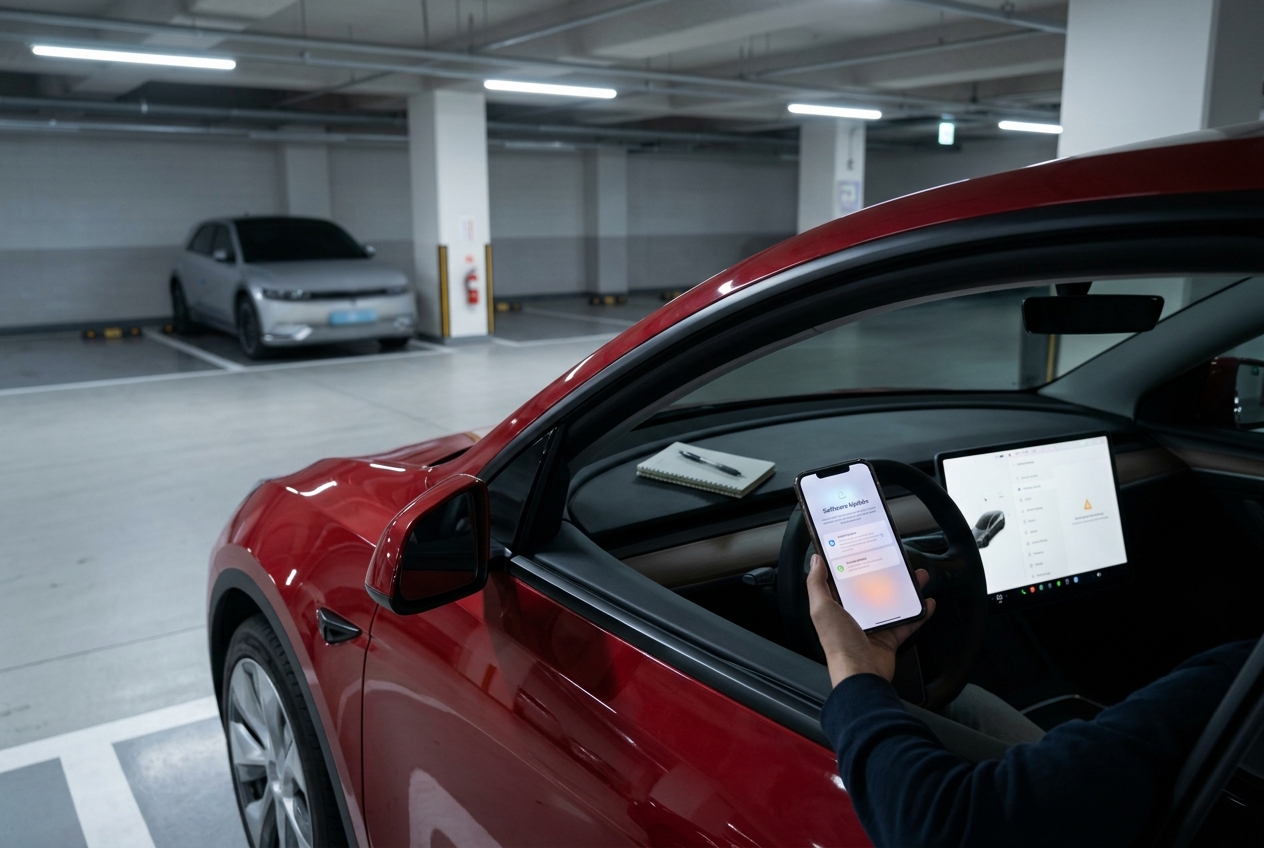
Tesla's biggest advantage is OTA (Over-the-Air) updates. It is highly innovative that performance can be improved or new features added without having to buy a new car. However, these updates do not always come with only advantages. Sometimes, the UI changes after an update, making familiar controls feel different, or bugs are discovered in specific features, causing inconvenience.
Therefore, rather than installing updates immediately upon notification, it is a wise approach to check the details of what the update modifies and observe community reactions before installing. If you are a user who values stability, a strategy of delaying updates slightly is also necessary. Since vehicle settings or sensitivity can change whenever new software is distributed, it is safer to drive while checking the vehicle's response a bit more carefully than usual immediately after an update. Also, since vehicle internal settings can be reset during large-scale updates, a practical tip is to write down or take photos of your settings before updating.
Checklist to Consider Before Actual Purchase
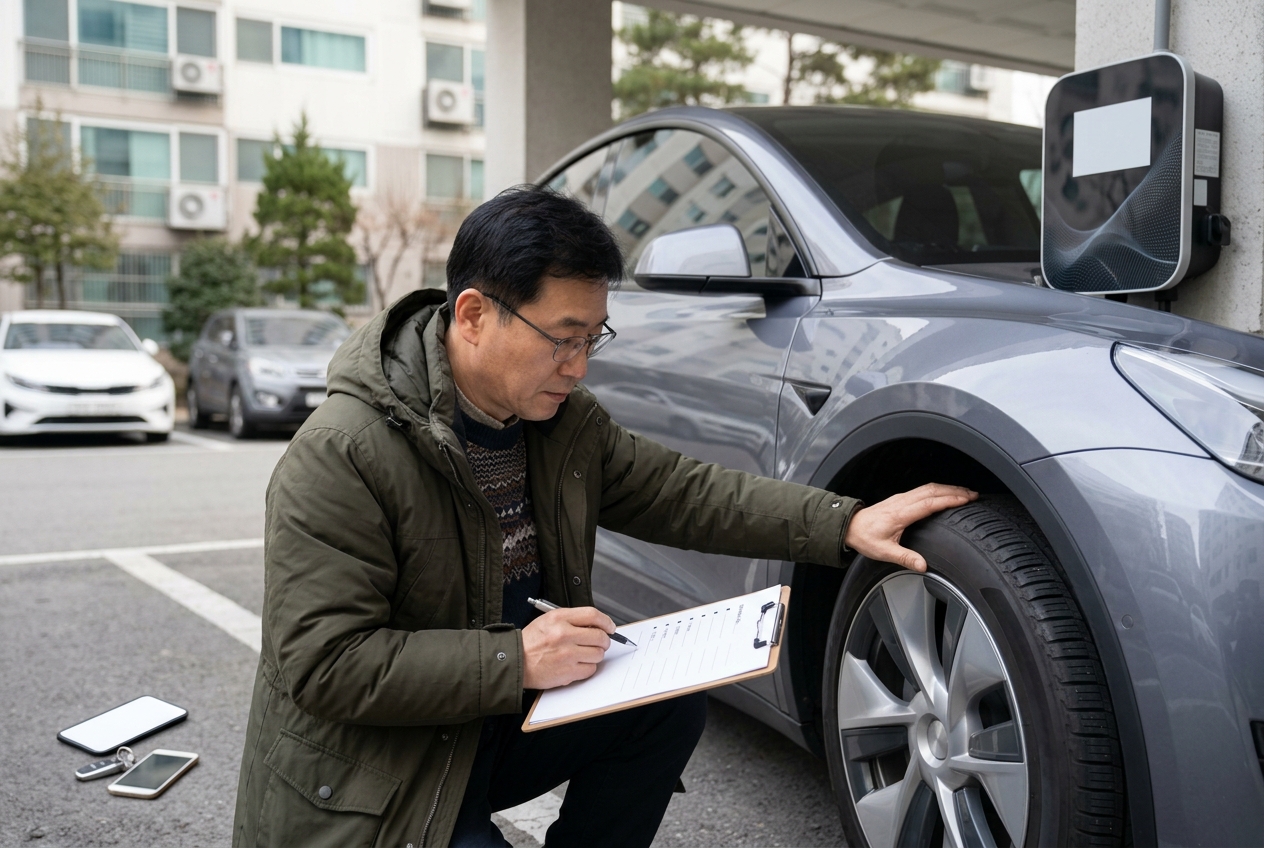
If you are considering buying a Tesla, please compare the following points with your lifestyle. First, do you have charging facilities at home or work? Second, is your driving mainly in the city, or do you frequently drive long distances? Third, can you afford the incidental maintenance costs, such as tire replacement cycles? Fourth, are you comfortable with the vehicle interface being screen-centered without physical buttons? Fifth, are you fully aware of the accessibility of service centers and repair wait times?
If you answer these questions honestly, you can more clearly judge whether a Tesla is the right vehicle for your driving environment. This is because the vehicle price and operation method differ significantly from general internal combustion engine vehicles, making it difficult to decide based solely on the brand's reputation or high-tech image. In particular, considering that it may take time to source parts for repairs, it is wise for households that operate only one vehicle to keep an alternative means of transportation in mind for emergencies. Also, since electric vehicle-specific rates that differ from general vehicles are applied when calculating insurance premiums, it is essential to compare quotes from various insurance companies in advance.
Conclusion: Tesla, a Choice Based on Reality Rather Than Fantasy
Tesla is clearly an innovative product that has changed the paradigm of the automotive industry. However, behind that innovation lies a new form of responsibility and learning process that the user must bear directly. Rather than unconditional praise or excessive criticism, it is most important to analyze your driving habits and environment cool-headedly and weigh whether the features Tesla provides can actually increase your convenience. The first step to turning misconceptions into facts begins with checking this practical information. Please remember that a vehicle is ultimately a means to travel safely to your destination, and make a choice optimized for your lifestyle.
Frequently Asked Questions
Can I use Tesla Superchargers anywhere?
Superchargers are Tesla-exclusive fast-charging stations installed at major hubs nationwide. However, wait times may occur in high-traffic urban areas or during holiday seasons, so it is recommended to check real-time availability through the Tesla navigation system.
Is Tesla responsible for accidents when using FSD?
No. Tesla's FSD is a Level 2 driver assistance system. All legal responsibility in the event of an accident lies with the driver, so you must always keep your eyes on the road and be ready to intervene immediately.
Does an electric vehicle require no maintenance at all?
While engine oil changes are not required, items such as tires, brake pads, wiper fluid, coolant, and air conditioning filters must be checked and replaced periodically. Tires, in particular, may wear out faster due to the high torque of electric vehicles.
Can problems arise from OTA updates?
While OTA updates bring performance improvements, they can rarely cause system errors or inconveniences due to UI changes. It is recommended to check the patch notes before updating and refer to community opinions to see if the version is stable.