When starting a diet, the first thing many people worry about is 'what should I eat?' However, simply restricting certain foods or drastically cutting calories can be a shortcut to harming your health and triggering the yo-yo effect in the long run. The core of a diet plan is not temporary weight loss, but establishing healthy eating patterns that you can maintain in your daily life for a long time. Since the body perceives sudden nutritional deficiency as a 'crisis' and tends to store fat, a sustainable diet requires a strategic approach. It should involve not just reducing the amount you eat, but improving the quality of nutrients and optimizing metabolic function.
Diet Strategies by Situation

The environment in which you practice your diet varies from person to person. Applying the same diet to office workers, students, people who enjoy cooking, and those who eat out frequently is inefficient. Choosing a strategy that fits your lifestyle is the first step to success. You must prepare concrete alternatives for your specific environment to prevent giving up halfway.
1. How to Utilize Convenience Stores and Dining Out for Busy Office Workers
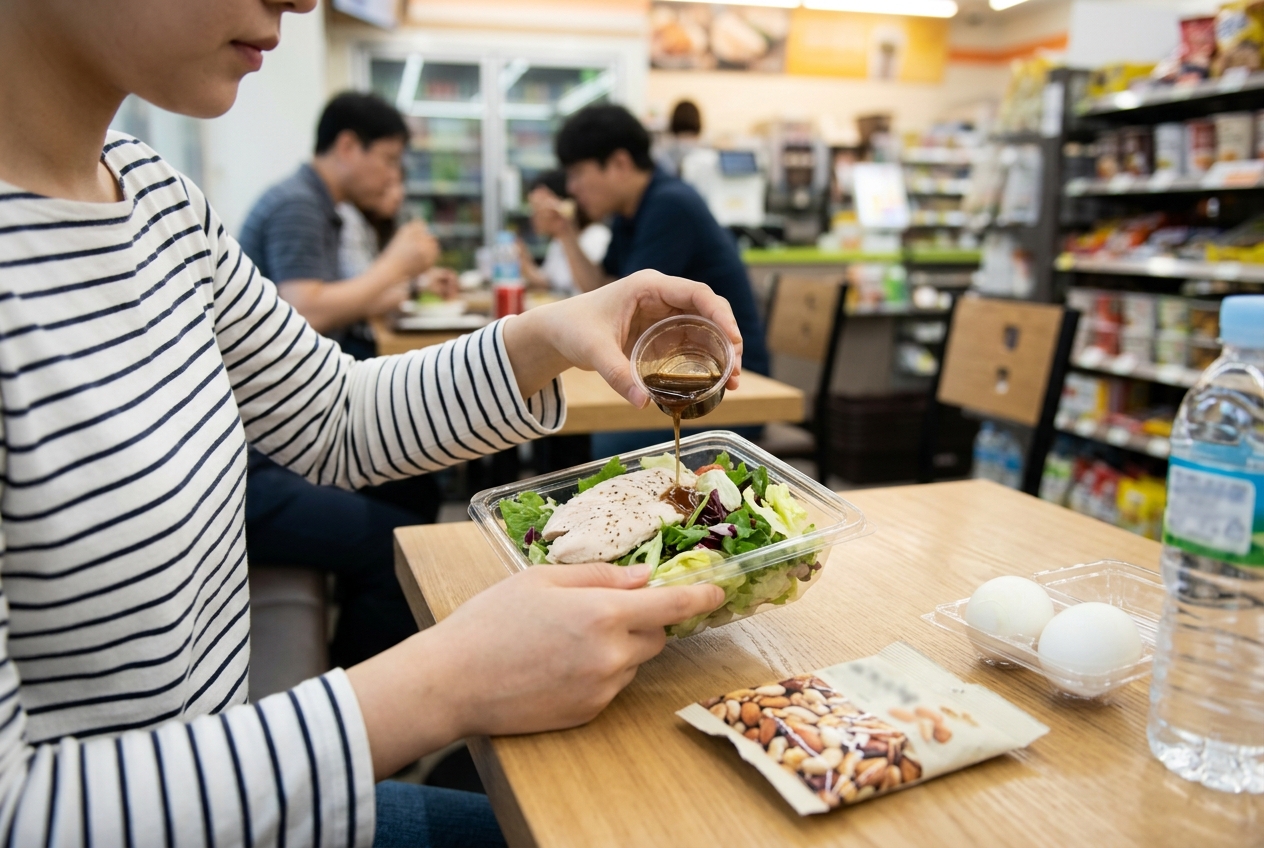
For office workers who have to eat out with colleagues during lunch, 'bringing a packed lunch' can be a difficult task. In this case, you need to use the 'art of choice.' If you go to a Korean restaurant, choose bibimbap (be sure to control the gochujang) or a grilled fish set meal rather than stew. If you must use a convenience store, we recommend a combination of chicken breast salad, nuts, and boiled eggs rather than a sandwich. Simply reducing white rice—a refined carbohydrate—by half and increasing the proportion of protein and vegetables can be quite effective. At company dinners, eat meat but make active use of lettuce wraps, and try to stick to eating the solid ingredients in stews. Also, requesting sauces on the side or dipping your food instead of pouring sauce can help control salt intake and manage blood sugar levels.
2. Efficient Meal Planning for Single-Person Households
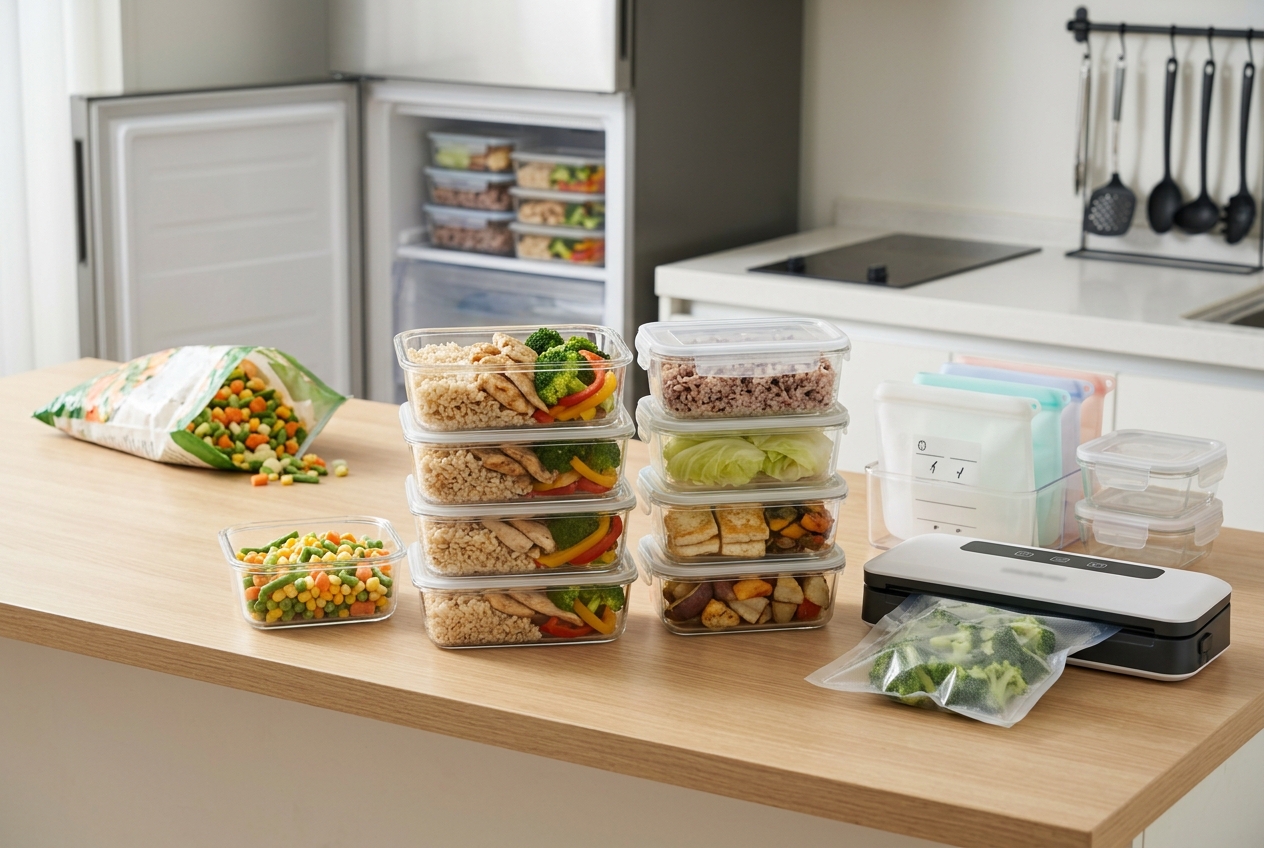
For single-person households where ingredients spoil easily, 'portioning' and 'freezing' are essential. Divide broccoli, cabbage, chicken breast, etc., into single servings immediately upon purchase and freeze them. Cabbage, in particular, becomes a reliable source of dietary fiber whenever you need it if you steam or boil it and portion it out. Adopting a 'Meal Prep' method, where you cook in bulk once a week rather than cooking new dishes every day, can significantly reduce the temptation to eat out. The key to meal prep is not just grilling chicken breast, but finding the joy in stir-frying or steaming various vegetables to go with it. Using a vacuum sealer to extend the shelf life of ingredients or standardizing storage containers to increase space efficiency in the refrigerator are also practical methods. Keeping frozen vegetable mixes on hand can save cooking time while ensuring a balanced intake of nutrients.
3. Dealing with Frequent Company Dinners and Social Gatherings
In social life, you will inevitably encounter drinking parties or gatherings. In these situations, aim for 'damage minimization' rather than 'perfection.' Choose sashimi, boiled pork (suyuk), or vegetable-based dishes instead of greasy fried foods, and drink plenty of water before or during drinking to maintain a feeling of fullness. It is also good for your mental health to use a 'compensation strategy' by increasing your protein intake and eating a light diet the day after drinking to balance your nutrition. Since alcohol hinders muscle synthesis and delays fat burning, taking a supplement containing B-complex vitamins along with plenty of water after drinking is helpful. Preparing a light protein snack in advance to avoid filling the post-drinking hunger with late-night snacks is also a good strategy.
Checkpoints for Nutritional Balance
A healthy diet is not just about counting calories. You must consume all the essential nutrients your body needs so that your metabolic rate does not drop. You should check the detailed elements that should not be missed in every meal composition.
The Golden Ratio of Carbohydrates, Protein, and Fat
Generally, a ratio of 5:3:2 for carbohydrates, protein, and fat is recommended, but adjustments are needed based on individual activity levels. For carbohydrates, choose complex carbohydrates like brown rice, oats, and sweet potatoes rather than refined flour. It is recommended to consume a palm-sized portion of protein at every meal, and fats should include an appropriate amount of unsaturated fatty acids such as nuts, avocados, or olive oil to ensure smooth hormonal metabolism. A point to consider when composing your diet is preventing 'blood sugar spikes.' Simply practicing the 'reverse eating method'—eating vegetables (dietary fiber) and protein first, and eating carbohydrates last—is very effective in stabilizing insulin secretion and preventing body fat accumulation. This eating sequence also helps you feel full faster, preventing overeating.
Managing Water Intake and the Temptation of Snacks
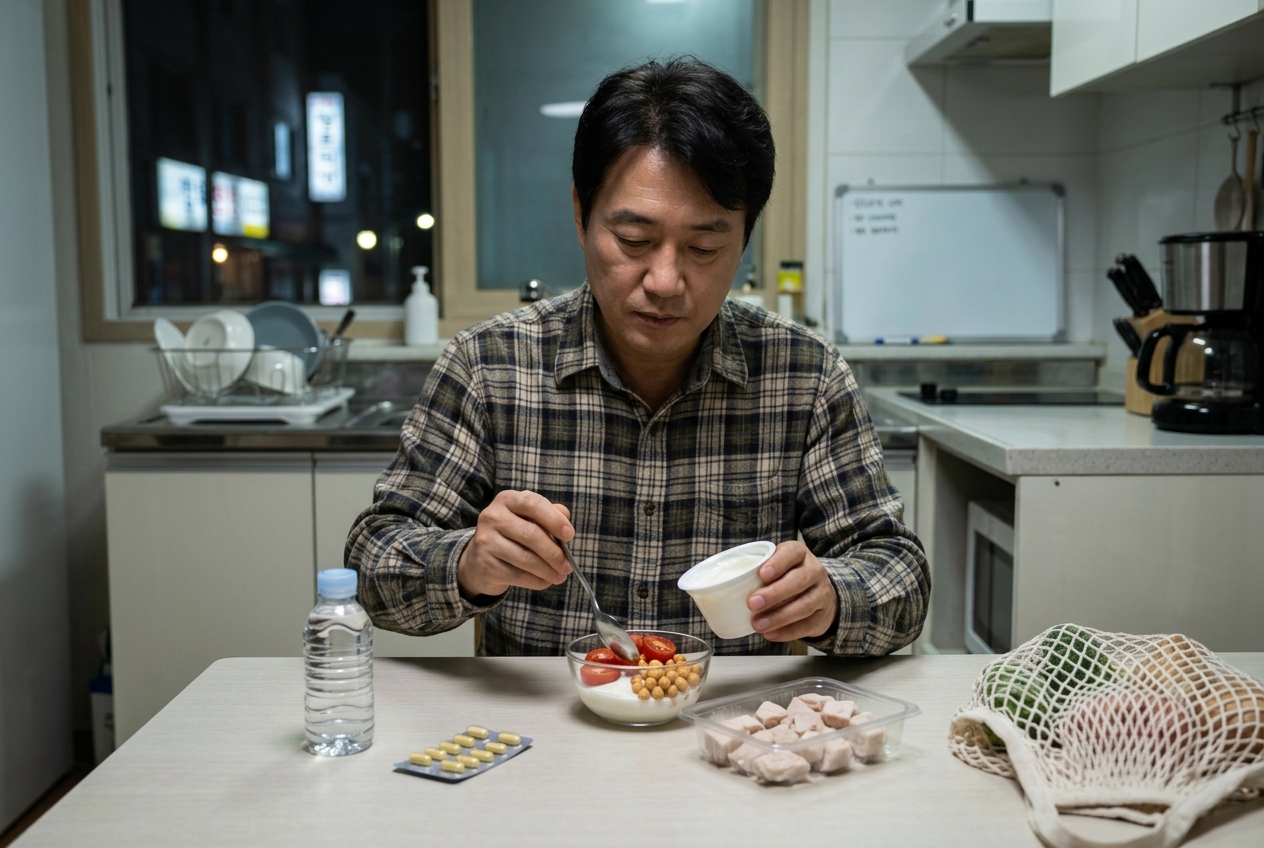
The best way to distinguish between fake hunger and real hunger is to drink a glass of water. This is because people often mistake thirst for hunger. When you crave a snack, keep foods that do not spike blood sugar, such as cherry tomatoes, cucumbers, or unsweetened yogurt, nearby instead of high-sugar snacks. Water plays a key role in the metabolic process, and sufficient water intake helps maintain satiety and aids in waste excretion, increasing diet efficiency. If drinking more than 2 liters of water a day is difficult, it is good to carry a tumbler and get into the habit of drinking small amounts frequently. Also, when eating snacks, get into the habit of putting them on a plate to prevent unconscious overeating. Replacing sugary drinks with warm herbal tea or barley tea is also a good alternative.
Precautions and Practical Methods for Sustainability
Dieting is a marathon. The greed to see big results in a short period leads to injury. Unreasonable ultra-low-calorie diets cause muscle loss and lower your basal metabolic rate, which can eventually lead to a body type that gains weight more easily. Be careful not to eat below your basal metabolic rate, and ensure you consume at least the minimum required energy. For your mental health, it is better to check your weight on a weekly average rather than being swayed by daily fluctuations. More important than the number on the scale is the change in body composition, such as body fat and muscle mass.
Also, it is good to satisfy your psychological satisfaction through a 'reward meal'—not a 'cheat day'—where you enjoy a moderate amount of food you've been craving about once a week. A reward meal is not a means to justify binge eating, but a device to relieve the stress that comes from a strict diet and to continue the diet in the long term. It is also important to understand what you ate and how you felt through diet tracking. Recording is data that goes beyond simple calorie counting to check your condition or digestion after eating certain foods. When writing a diet diary, recording not only the food consumed but also your daily activity level, condition, and sleep time can help you understand more clearly how your body reacts to specific environments. For example, if you confirm through data that your craving for carbohydrates increases on days when you lack sleep, you can prepare more thoroughly next time. Also, practicing controlling your eating speed is important. Since it takes at least 20 minutes for the brain to feel full, just getting into the habit of chewing slowly can reduce your total intake by 20-30%. These subtle changes in habits add up to create big results.
In conclusion, a diet plan should not be a tool to suppress yourself, but a management method to make your body healthier. Responding flexibly to situations and stacking small successes one by one is the fastest and most certain path. Instead of making a grand diet plan right now, try starting by reducing the amount of rice at lunch today and eating one more vegetable side dish. A sustainable diet is completed through 'consistency,' not perfection. We support your healthy transformation.
Frequently Asked Questions
Should I cut out carbohydrates entirely while dieting?
No, carbohydrates are our body's main energy source. Rather than cutting them out entirely, it is much healthier and more sustainable to reduce refined carbohydrates (sugar, white flour) and replace them with complex carbohydrates like brown rice and oats.
What are some menu items that don't hinder my diet when eating out?
Menus focused on steaming, grilling, or soups (with less broth) are better than deep-fried or stir-fried dishes. For example, if you are having Chinese food, we recommend seafood scorched rice soup or Palbochae instead of fried dishes; if Korean, bibimbap or grilled fish.
Why is protein intake important?
Protein is essential for maintaining muscle mass and protecting your basal metabolic rate. Also, protein consumes more energy during the digestion process than carbohydrates or fat and keeps you full longer, making it effective for dieting.
Is it necessary to keep a diet diary?
It is not strictly necessary, but it is very helpful for objectively understanding your eating habits. It is a very effective tool for discovering and correcting unconscious snacking or overeating patterns.