When you hear the term 'flagship sedan' in automotive history, the first name that comes to mind is undoubtedly the Mercedes-Benz S-Class. More than just a means of transportation, this vehicle is considered a symbol of success and a collection of cutting-edge technology, having set the standard for the global luxury market for decades. Beyond simply using high-end finishing materials, the S-Class acts as a 'pioneer of technology,' being the first to introduce the highest level of safety features and driving assistance systems that automobiles of the era can implement. In this guide, we will examine the unique value of the S-Class and the key factors to consider when choosing the latest model.
1. Historical Background and Evolution of the S-Class
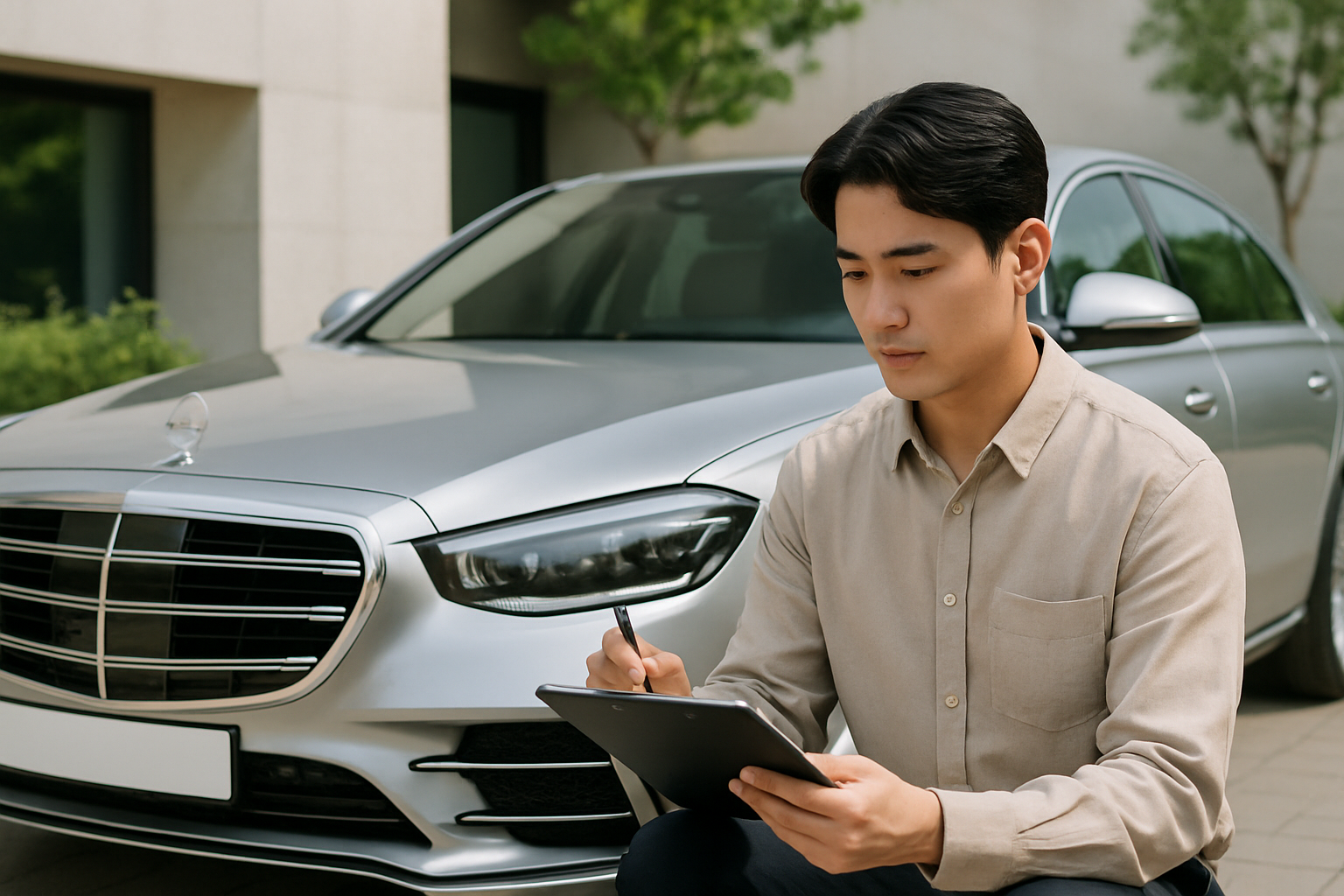
While the history of the S-Class dates back to the early 20th century, it was officially given the name 'Sonderklasse' (Special Class) starting with the W116 model released in 1972. From this period, Mercedes opened a new chapter in automotive safety technology, including the world's first ABS system and the introduction of airbags. Over the generations, the design has become more fluid, and it has evolved into a smart mobility vehicle that leads in digital interfaces as well as aerodynamic efficiency.
Each generation reflects the best engineering of its time. For example, the W140 model of the 1990s earned the nickname 'the tank' for its massive body and overwhelming presence, while the subsequent W220 and W221 laid the foundation for complex electronic control systems alongside modern streamlined designs. Today's S-Class goes beyond a simple mechanical device to provide an AI-based cockpit environment that even considers the passenger's mood and condition.
Understanding the historical flow is essential for evaluating the current model. The S-Class is not just an old car, but a 'textbook' that has established the standards of automotive technology in every era. If you know these generational characteristics when choosing a used car or identifying the brand's identity, you can make a wiser decision.
When studying history, it is important to note that you should also check for chronic issues or maintenance difficulties specific to certain generations. As older models have higher complexity in electronic equipment, maintenance costs can rise, so checking the service history before purchase is essential.
2. Design Philosophy and Interior Configuration of the Latest Model
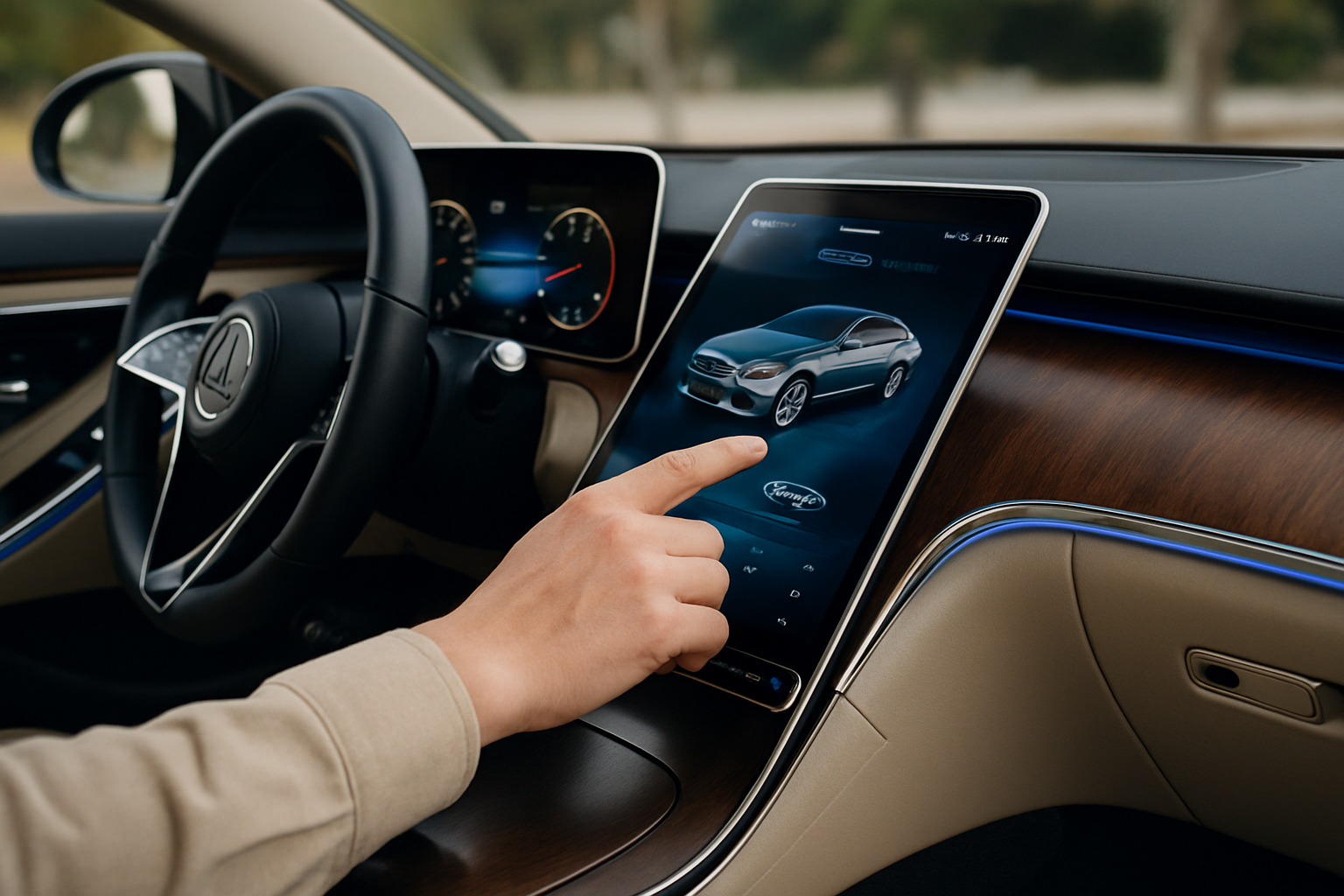
The current S-Class maximizes the design philosophy of 'Sensual Purity.' The exterior minimizes unnecessary lines and emphasizes elegance through the flow of smooth surfaces, while flush door handles that hide during driving and pop out when needed are applied to maximize aerodynamic efficiency. These design changes provide practical functional benefits, such as reducing wind noise at high speeds and improving fuel efficiency, rather than just providing aesthetic satisfaction.
The interior space shows the pinnacle of 'digital luxury.' The center fascia, centered around a massive OLED display, minimizes physical buttons and is controlled by a voice-recognition-based MBUX system. Ambient lighting goes beyond simply emitting light; it interacts with driving assistance systems to send visual warnings to the driver or provide visual feedback when adjusting the interior temperature, enhancing the interaction between human and machine.
The comfort of the seats is one of the greatest strengths of the S-Class. Numerous adjustment functions and massage programs dramatically reduce fatigue during long-distance driving. The interior finishing materials also use the finest leather and wood to satisfy the five senses, and the independent entertainment system in the rear seats is optimized for chauffeur-driven purposes.
3. Driving Performance and Advanced Technical Specifications
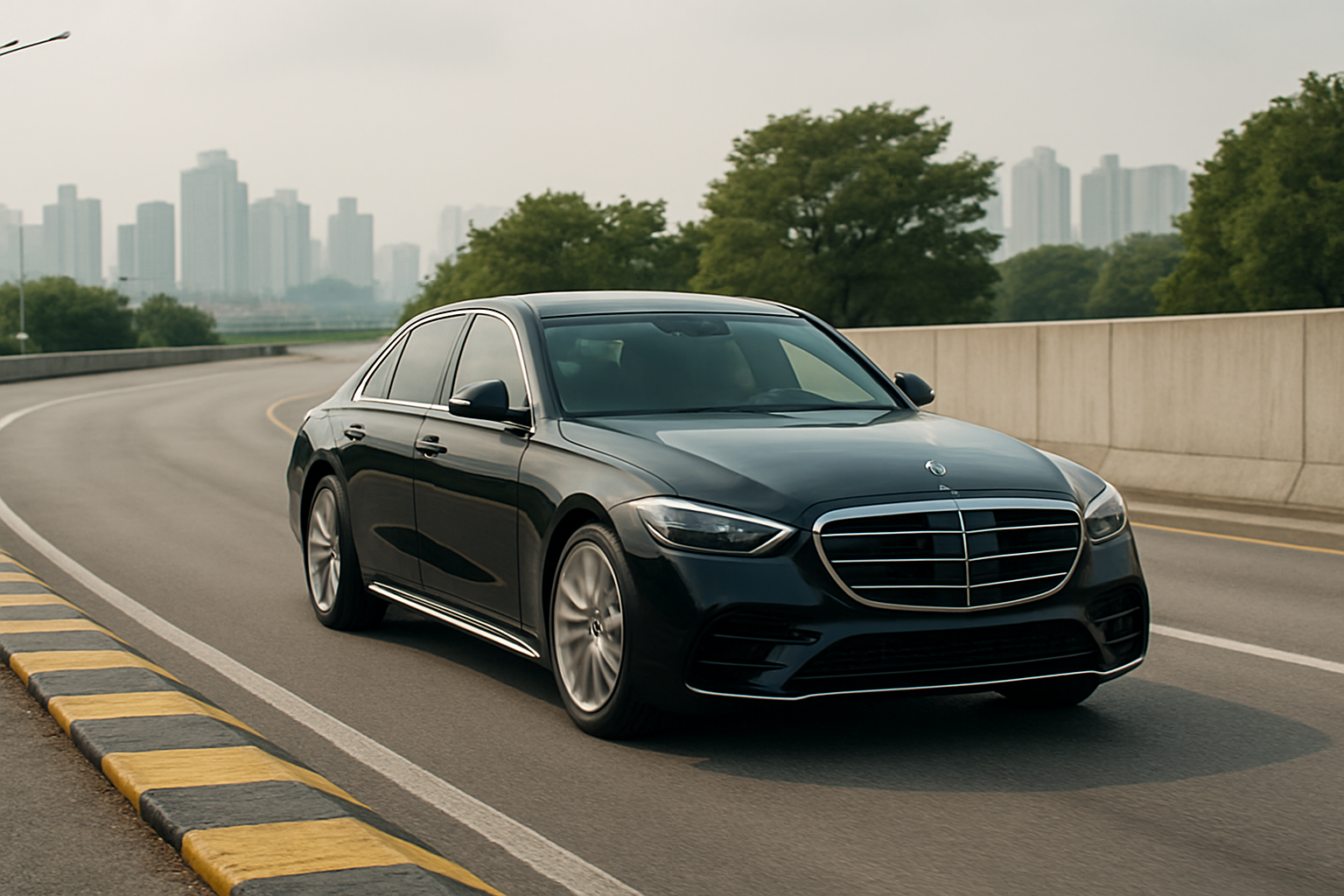
The driving performance of the S-Class can be summarized as 'power within softness.' The Airmatic suspension absorbs road shocks almost perfectly, realizing a ride quality that feels like floating on a cloud. The E-Active Body Control applied to the top trim scans the road ahead via cameras and adjusts the suspension in real-time to minimize shaking when passing over speed bumps or uneven surfaces.
The engine lineup is diverse, ranging from gasoline engines boasting powerful output to diesels emphasizing efficiency, and plug-in hybrids, which are gaining increasing importance. Mercedes' 4MATIC all-wheel-drive system provides stable traction in any weather condition, and the rear-axle steering system shows a surprising turning radius in narrow alleys or parking lots despite the massive body, enhancing driving convenience.
The Driving Assistance Package, an advanced driving aid system, sets the standard for semi-autonomous driving. Lane keeping, distance control from the vehicle in front, and automatic lane changes operate very naturally, significantly reducing the driver's mental fatigue during long-distance driving. However, one must not forget that these systems are only aids, and one must always keep their hands on the steering wheel and eyes on the road.
4. Comparative Analysis with Competitors
The BMW 7 Series and Audi A8 are considered the eternal rivals of the S-Class. While the BMW 7 Series emphasizes driving fun and a sporty feel, the S-Class places greater weight on traditional luxury and comfort. The Audi A8 features stable driving quality based on the Quattro system and a futuristic interior design.
The difference to consider when making a purchase decision is the 'brand's orientation.' The S-Class is more suitable for customers who prefer conservative luxury, while the 7 Series is more suitable for customers who value the joy of driving themselves. In addition, differences in service network accessibility and warranty programs for each manufacturer also have a significant impact on the long-term ownership experience.
Recently, the electric vehicle model EQS has appeared, threatening or complementing the position of the S-Class. If you prefer the quietness and instantaneous acceleration unique to electric vehicles, choose the EQS; if you still value the reliability of internal combustion engines and the sensibility of a traditional luxury sedan, choosing the S-Class is reasonable. When comparing with competitors, it is best to personally experience the driving environment you mainly use and the interface method you prefer.
5. The Value of the S-Class Guard Model
The S-Class Guard looks almost identical to the standard model on the outside, but its interior is a completely different vehicle. Equipped with bulletproof glass, a reinforced body frame, and special tires, it perfectly protects passengers from external attacks. It is more than just a car; it is a mobile fortress.
The Guard model is mainly used as a ceremonial vehicle for high-ranking government officials, corporate executives, and major dignitaries. Unlike regular cars, the production process itself is very demanding, and the proportion of manual labor is high. Because of this specificity, the price is several times that of the standard model, and maintenance is only possible at facilities equipped with dedicated equipment.
For the general consumer, the Guard model is not a realistic choice, but it is a symbolic model that shows the limits of Mercedes' technical prowess. Safety technologies verified through the S-Class Guard are sequentially applied to standard mass-produced S-Class models, serving as a foundation for increasing the overall safety of the vehicle.
6. Buyer Psychology and Ownership Experience
Purchasing an S-Class has meaning beyond just buying a means of transportation. Many owners confirm their social achievements by choosing the S-Class and gain the satisfaction of receiving the best treatment. This has a positive impact on the customer's overall lifestyle, along with the premium services provided by the brand.
Actual owners experience the value of the brand through customer service or emergency dispatch services encountered during regular service center visits. However, as it is a large sedan, the large body size and limitations in parking space are practical inconveniences. Also, as it is a high-end model, high insurance premiums and consumable costs are items that must be included in the budget plan before purchase.
The joy of owning an S-Class lies in the comfort that those who have not ridden in one cannot know. The quietness and comfort of the seats felt the moment you get into the car every morning become elements that help you forget the stress of daily life. However, an initial learning process is required to get used to the flashy features, and the habit of properly managing the latest software updates is important.
7. Maintenance and Management Checkpoints
As the S-Class is a vehicle packed with advanced electronic equipment, regular software management and hardware inspections are essential. In particular, expensive parts such as air suspension can have varying lifespans depending on the driving environment, so it is recommended to have the condition checked thoroughly within the warranty period.
It is strongly recommended to use genuine parts for consumables such as engine oil, brake pads, and tires. Because the load on the vehicle is high due to its excellent performance, the use of unverified aftermarket parts can upset the balance of the entire vehicle. Battery management is also important. Since the S-Class has many electronic devices, there is a risk of discharge during long-term parking, so if you do not drive often, you should pay attention to battery chargers or smart key management.
It is recommended to book service center appointments in advance. This is because there are many S-Class customers, which can lead to waiting times. During maintenance, communicating with the assigned advisor to understand the current state of the vehicle and the cycle of consumables to be replaced in the future allows for cost-effective management.
8. Precautions When Buying a Used Car
The S-Class has a high depreciation rate, so it may appear at an attractive price in the used car market. However, when purchasing a used car, you must check the 'accident history,' 'whether it has been flooded,' and 'major maintenance records.' In particular, defects in the electronic system can have repair costs that exceed imagination, so be sure to choose a vehicle that has undergone diagnosis by a professional company.
The older the model, the higher the possibility that engine mounts or transmission-related parts have reached their replacement cycle. During a test drive, you should carefully check for any rattling noises in the undercarriage, transmission shocks, and whether all electronic equipment is operating normally. If possible, securing the previous owner's maintenance records is the safest way.
Since used cars often have expired warranties, it is recommended to set aside a certain amount of reserve funds in case of unexpected repair costs after purchase. Rather than chasing unreasonably cheap listings, buying a vehicle with a confirmed maintenance status at a slightly higher price can be more economical in the end.
9. Future Outlook for the S-Class
As the automotive industry changes rapidly toward electrification and autonomous driving, the S-Class is also at an inflection point. The future S-Class will accelerate its transition to a full electric vehicle platform, and Level 3 or higher autonomous driving technology that does not require driver intervention will become more sophisticated. Artificial intelligence will go beyond just finding the way, acting as a secretary that checks the passenger's health condition and provides an optimal environment.
Mercedes is continuing to innovate in design and materials to carry on the traditional value of 'luxury' into the electric vehicle era. The future S-Class will be redefined not just as a fast car, but as a space that gives back more time to the passenger. Amidst these changes, the philosophy that the S-Class has, 'The best or nothing,' is expected to continue unchanged.
In conclusion, the S-Class is still the best choice for those who want to experience the technical peak that an automobile can reach, beyond being a simple consumer good. Rather than fearing the changes in technology, understanding and enjoying the convenience and value that those changes bring is the way to properly enjoy the S-Class.
This information provides general automotive information; please consult an official service center or expert for actual vehicle purchase and maintenance. As technical specifications and prices of automobiles may change according to the manufacturer's policy, always check the latest information.
Frequently Asked Questions
Why is the S-Class more expensive than other large sedans?
The S-Class is the brand's flagship model that is the first to introduce cutting-edge safety technology and the highest quality materials. The massive R&D costs invested in the development process, the unique value of the brand, and warranty services are included in the price.
What is the first thing to consider when purchasing an S-Class?
You must clarify your driving environment and purpose. Depending on whether it is chauffeur-driven for the rear seats or owner-driven, the criteria for choosing between a long-body and standard model, and the engine type, will vary.
Can the general public purchase the S-Class Guard model?
It is possible to purchase, but as it is a specially manufactured vehicle, it requires costs and maintenance efforts that are on a different level from standard models. Most are used for corporate ceremonial purposes or special purposes.
What is the biggest risk when buying a used S-Class?
Repair costs due to the aging of expensive electronic equipment and advanced systems are the biggest risk. Vehicles without maintenance records from an official service center can incur unexpected large costs, so be careful.
What is the fuel efficiency of the S-Class?
It varies greatly depending on the engine specifications and driving environment. Diesel models or plug-in hybrid models have good efficiency, but high-performance gasoline models have lower fuel efficiency. Please refer to the specification sheet on the manufacturer's website for exact figures.