In daily life, you may experience sudden back pain or joint discomfort. When this happens, the first thing that comes to mind is finding a 'nearby orthopedic clinic.' However, once you type it into a search bar, it can be overwhelming to decide which one to choose from the countless list of hospitals. Rather than choosing a hospital simply because it is close by, it is necessary to carefully compare your symptoms with the clinic's expertise. In this article, we will delve into the specific role of orthopedics and what points patients should check to find a clinic that fits their situation.
Definition and Main Scope of Orthopedics
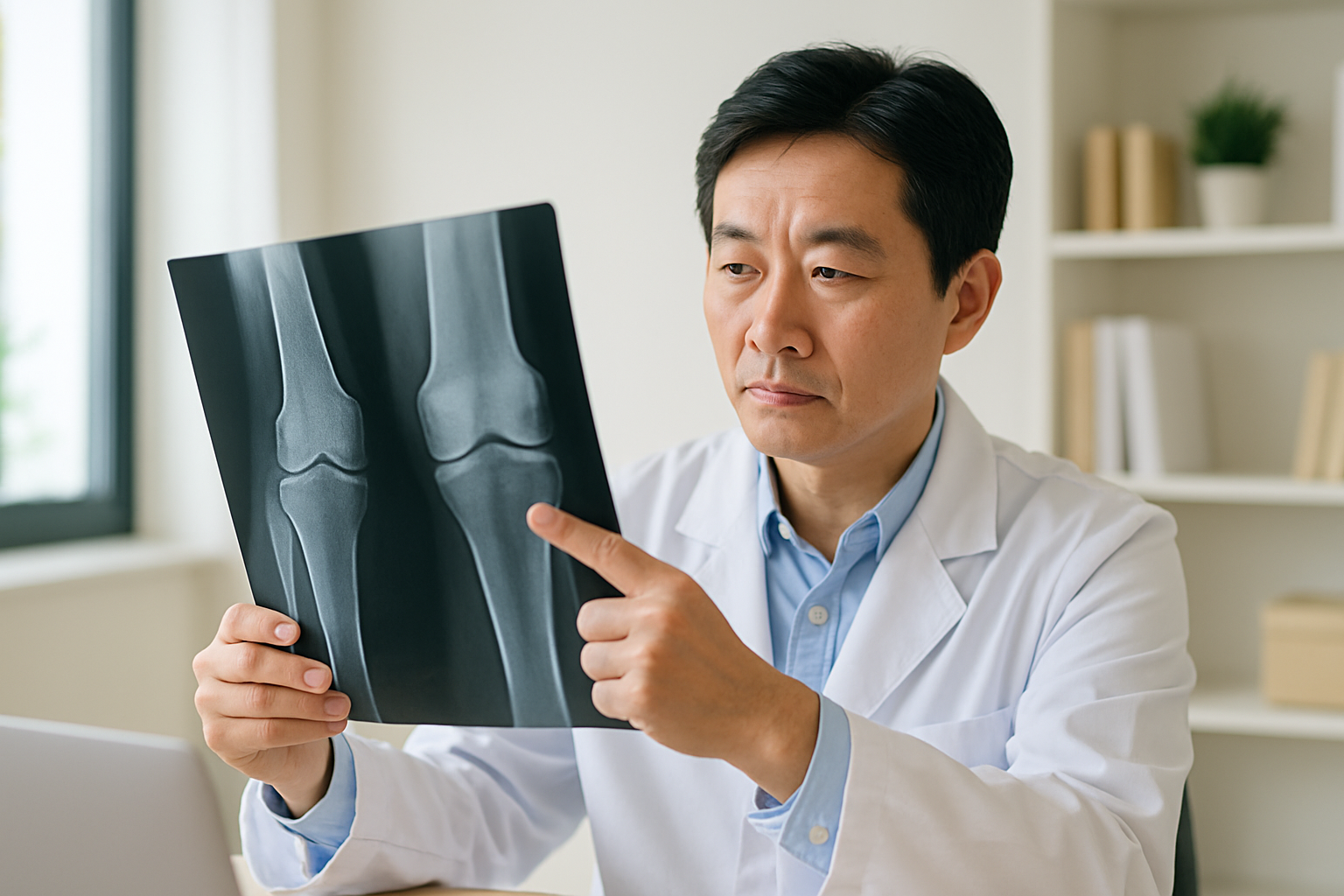
Orthopedics is a medical field that deals with the structure and function of the musculoskeletal system. It treats not only broken bones but also diseases of various tissues connected to bones, such as muscles, ligaments, tendons, and nerves. Modern people often complain of pain in the spine or joints due to poor posture or excessive smartphone use. Orthopedics plays a role in diagnosing the causes of such pain and restoring the patient's function through medication, physical therapy, injections, and, if necessary, surgical procedures.
Major diseases treated in orthopedics include herniated discs, arthritis, frozen shoulder, plantar fasciitis, and fractures. Because each disease can have completely different treatments despite similar symptoms, an accurate diagnosis is more important than anything else. For example, even for knee pain, the prescription will vary depending on whether it is a cartilage problem, a ligament tear, or muscle overuse. Therefore, it is a good idea to write down your symptoms specifically when visiting an orthopedic clinic.
Furthermore, orthopedics is deeply involved not only in acute treatment but also in rehabilitation. In many cases, exercise therapy is performed in parallel so that post-surgical or chronic pain patients can return to their daily lives. Checking whether the clinic you intend to visit is equipped with rehabilitation facilities or operates a systematic physical therapy process can also be an important criterion for choosing a hospital. This is an essential element for long-term health management beyond simple pain relief.
Orthopedic specialists undergo years of residency training and experience numerous clinical cases. They analyze the patient's condition from multiple angles based on anatomical knowledge. Whether a doctor is a board-certified specialist can be easily checked through the sign at the hospital entrance or the medical staff introduction section on the website. To receive reliable treatment, it is recommended to understand the sub-specialties of the medical staff at the clinic.
3 Key Criteria to Consider When Searching for a Nearby Orthopedic Clinic
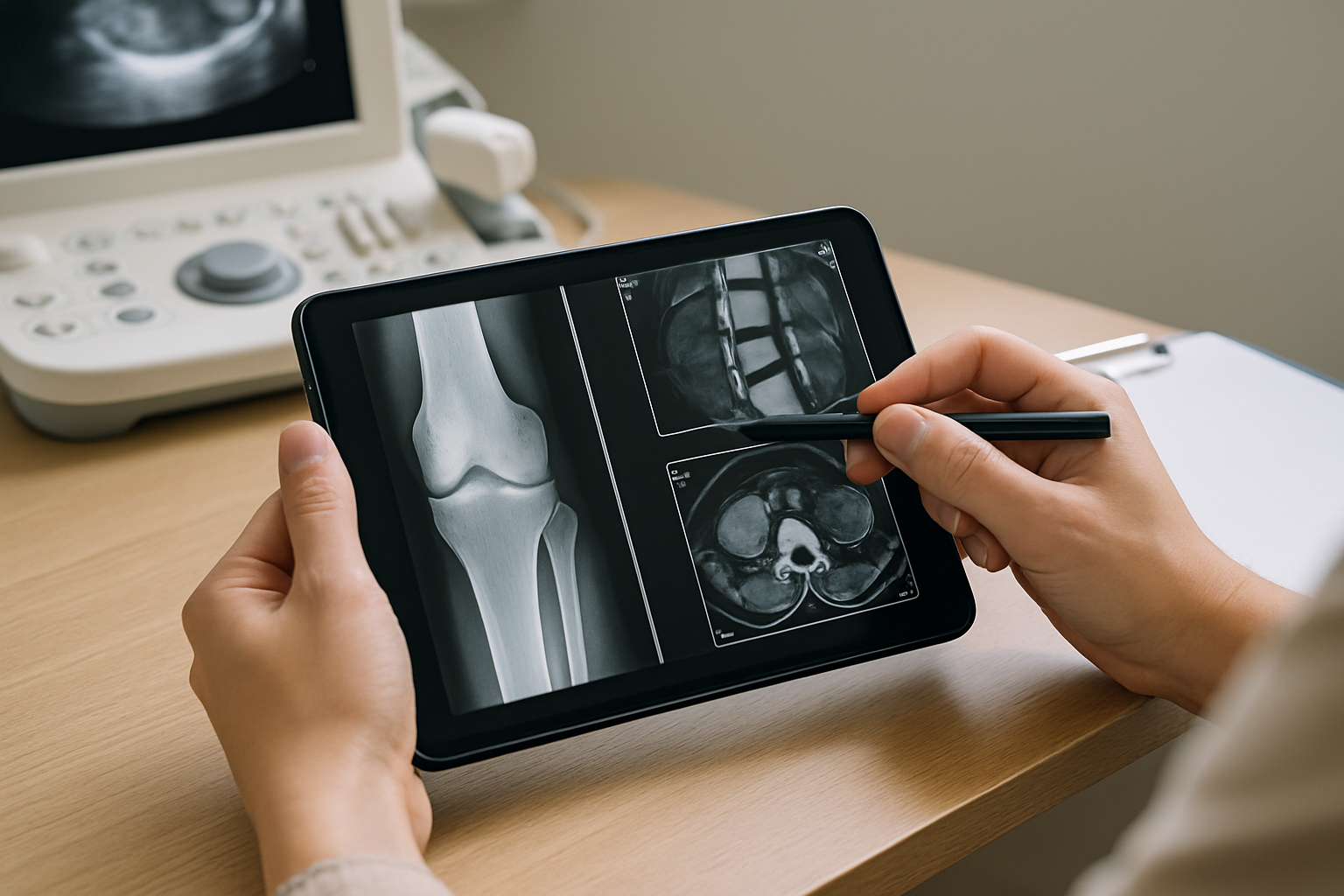
The first thing to check is 'accessibility.' Orthopedic conditions often require consistent treatment rather than a one-time visit. Therefore, you should choose a place that is not too far from your home or workplace so that you can continue treatment without giving up halfway. However, just as important as accessibility is 'clinical expertise.' It is necessary to distinguish whether the hospital specializes in specific areas, such as spine or joint surgery, or if it mainly provides general physical therapy.
Second is the 'status of medical equipment.' For precise diagnosis, X-rays are basic, but MRI, CT, and ultrasound equipment should also be available. In particular, high-resolution ultrasound equipment is essential to check for micro-injuries in joints. Checking in advance through the hospital website what kind of state-of-the-art equipment they have is a great help in predicting the quality of care. This is because if equipment is outdated or insufficient, identifying the exact cause may be delayed.
Third is the 'patient-centered medical system.' Important checkpoints include whether the waiting time is short, whether the medical staff listens sufficiently to the patient's symptoms, and whether they explain the treatment process in detail. Orthopedic treatment is greatly influenced by the patient's understanding. If you do not know what treatment you are receiving or why it is necessary, your anxiety may increase. Choosing a hospital that provides friendly guidance and detailed consultation is also a great help for psychological stability.
Understanding Orthopedic Treatment Methods: Conservative vs. Surgical Treatment
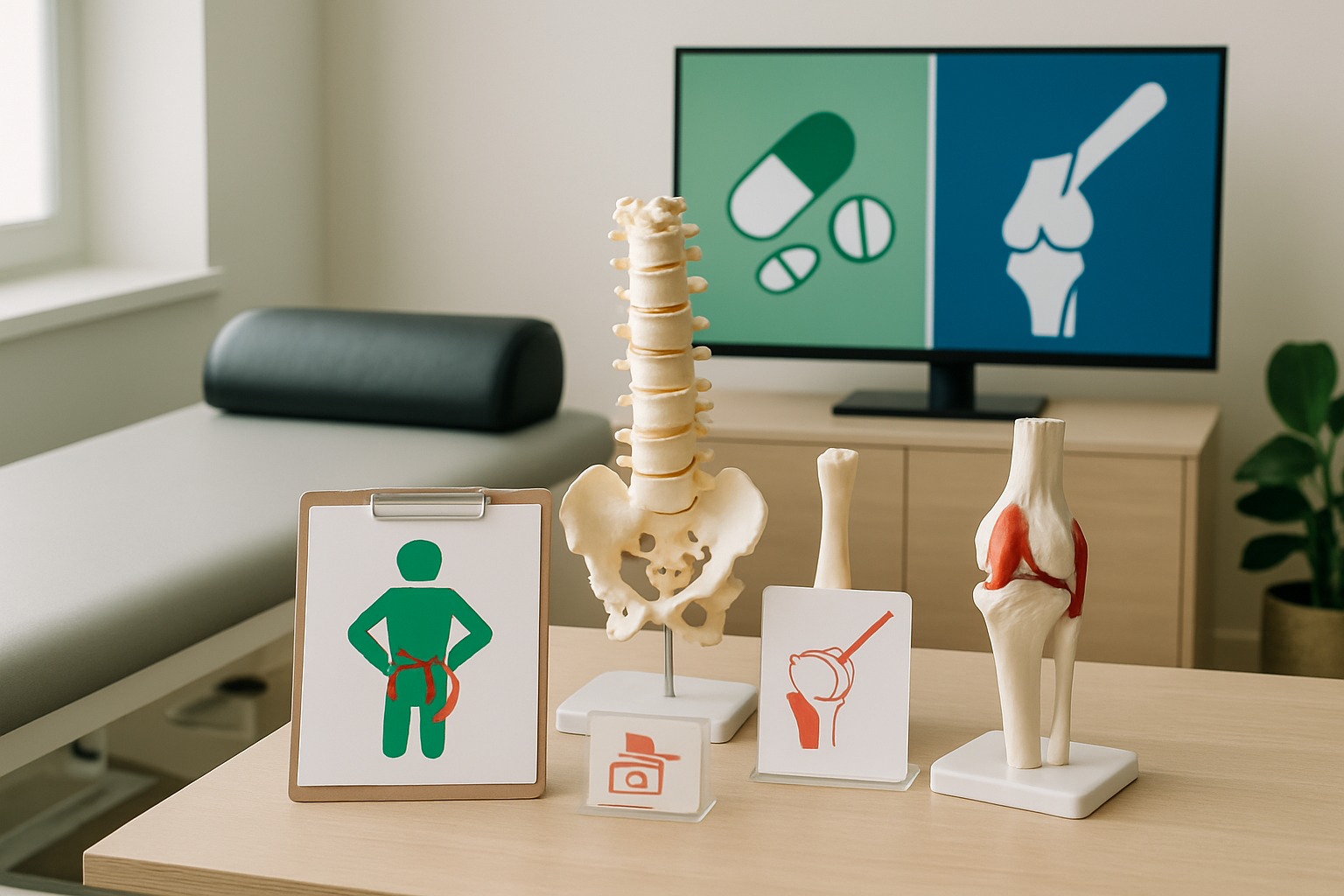
Many patients worry that they will have to undergo surgery if they go to an orthopedic clinic. However, the basic principle of orthopedic treatment in modern medicine is 'conservative treatment.' Conservative treatment refers to methods that reduce pain and improve function without surgery through medication, physical therapy, injections, and manual therapy. Most early-stage musculoskeletal diseases can be sufficiently improved with such conservative treatments alone.
Nevertheless, if the condition is not resolved by conservative treatment, surgical treatment is considered. Surgery is decided cautiously only when tissue damage is severe or daily life is impossible due to pain. Recently, minimally invasive surgical techniques have been developed to minimize the incision area and shorten the recovery period. Therefore, when you are diagnosed as needing surgery, you should sufficiently discuss with the medical staff whether there are non-surgical methods and what the advantages are if you proceed with surgery.
Patients should also consider the cost aspect when planning treatment. Prices for non-covered items such as manual therapy or extracorporeal shockwave therapy may vary by hospital. It is also a wise method to inquire in advance about whether private health insurance applies or the approximate cost of treatment to manage the financial burden. Since the purpose of treatment is to eliminate pain and improve quality of life, it is important to find a conscientious hospital that avoids over-treatment and suggests only the necessary care for the patient.
Patient Preparation for Effective Treatment
Before going to an orthopedic clinic, organizing your symptoms specifically will help shorten the consultation time and receive an accurate diagnosis. Clearly record 'where it hurts, when it started, and what movements cause pain.' For example, specific situational descriptions like 'my lower back feels stiff when I wake up in the morning' or 'my knee aches when I go down stairs' are decisive clues for the doctor to identify the cause.
Also, if you have X-ray or MRI results taken at another hospital previously, you must bring them. This can reduce unnecessary radiation exposure and make it easier to judge whether symptoms have improved by comparing them with previous records. Recently, digital image sharing systems are well-equipped, so you can easily transfer them by bringing a CD or by consenting to image sharing between hospitals.
It is best to wear comfortable clothing on the day of your visit. Since there are many cases where the affected area needs to be exposed, choose clothes that are easy to put on and take off. Also, if you are currently taking any medication, you must inform the medical staff. In particular, blood thinners or diabetes medication may require caution during surgery or procedures, so showing your prescription is the most certain way.
Lifestyle Habits for Preventing Orthopedic Diseases
While finding a hospital is important, the best treatment is prevention. A significant portion of orthopedic diseases stems from poor lifestyle habits. Sitting in a fixed position for a long time puts tremendous pressure on the spine. Just standing up and stretching for 5 minutes every 50 minutes can dramatically reduce disc pressure. Also, strengthening the muscles around the joints through regular strength training can disperse the load on the joints and prevent injuries.
Choosing the right shoes is also important. Shoes that are too high or lack cushioning put strain on the ankles, knees, and lower back. Make it a habit to wear comfortable shoes that fit the shape of your feet. If you are planning to start exercising, it is safer to start with light walking and gradually increase the intensity rather than sudden high-intensity exercise. When you feel pain, do not endure it; stop the activity immediately and take a rest.
Finally, nutritional intake should also be considered. Consume enough calcium, vitamin D, and protein, which are helpful for bone and joint health. Vitamin D, in particular, is essential for maintaining bone density. Since modern people who spend a lot of time indoors are prone to vitamin D deficiency, it is good to use supplements or get appropriate sun exposure if necessary. These small habits add up to maintain a healthy musculoskeletal system.
Precautions When Choosing a Hospital and Avoiding Over-treatment
Since market principles apply to medical services, treatment policies may vary by hospital. It is worth being suspicious of places that only recommend excessively expensive non-covered treatments or recommend injection therapy immediately without a sufficient diagnostic process. Of course, if the patient's pain is severe, quick relief is necessary, but you should check whether they suggest a treatment plan to resolve the root cause.
Recommendations from acquaintances are worth referring to, but a hospital that was good for someone else may not necessarily be good for you. This is because everyone has a different body type and different causes of pain. When looking at online reviews, it is better to focus on objective information such as the attitude of the medical staff, the waiting system, and the cleanliness of the hospital rather than praise for a specific treatment. Be careful not to be swayed by promotional reviews.
Checking whether the hospital is run by an orthopedic specialist is also a criterion. Just because someone has a medical license does not mean they are an orthopedic specialist. You can expect more professional treatment by checking if the hospital is a specialist medical institution through the website of the Korean Orthopaedic Association. Since health is a precious asset that cannot be exchanged for anything, you should not lose caution in choosing a hospital.
Conclusion: A Wise Choice for a Healthy Daily Life
Finding a nearby orthopedic clinic means more than just treating a painful area; it is an investment for a healthy life ahead. Not neglecting symptoms when they appear and receiving professional help at the right time is the fastest way to prevent progression to chronic disease. Based on the hospital selection criteria and preparation tips we have covered today, I hope you find reliable medical staff near your residence and recover your health.
All medical information is based on general standards, and treatment directions may vary depending on individual conditions. Please be sure to consult directly with a specialist to receive an accurate diagnosis. Until the day you regain a pain-free, healthy daily life, I support you in continuing to make wise choices with the right information.
Frequently Asked Questions
What is the difference between orthopedics and pain medicine?
Orthopedics diagnoses structural diseases of the musculoskeletal system such as bones, joints, ligaments, and muscles, and performs surgical and conservative treatments. Pain medicine is a field that focuses on pain relief by finding the cause of pain and using nerve blocks or injection therapy. Both departments deal with musculoskeletal diseases, but there may be differences in the approach to treatment.
Are there any documents I must prepare before visiting the hospital?
It is not mandatory, but if you have X-ray or MRI image data (CD, etc.) taken previously, it is very useful as it can shorten consultation time and avoid duplicate examinations. Also, if you are currently taking any medication, it is recommended to bring your prescription.
Do I have to receive manual therapy every time?
The number of sessions for manual therapy is determined according to the patient's condition and the purpose of treatment. Generally, it is common to receive it consistently 1-2 times a week and observe the progress. It is most effective to proceed with the number of sessions required according to the diagnosis of the attending specialist.
Are there many cases where treatment is possible without surgery?
Yes, a significant portion of orthopedic diseases improve with only conservative treatments such as medication, physical therapy, and exercise therapy. Surgery is considered only in limited cases where it cannot be resolved by conservative treatment or when immediate action is required due to severe tissue damage.