In the daily lives of modern people, the smartwatch has moved beyond a simple time-telling tool to become a core hub for health management and smartphone integration. Its functions are expanding daily, from real-time notification checks on your wrist to biometric data tracking and payment systems. However, choosing the device best suited to your lifestyle from the countless products on the market is a more complex process than it seems. This guide will delve into everything from the basic concepts of smartwatches to the technical specifications you must check before buying, as well as precautions from a user's perspective.
1. Definition and Modern Value of Smartwatches
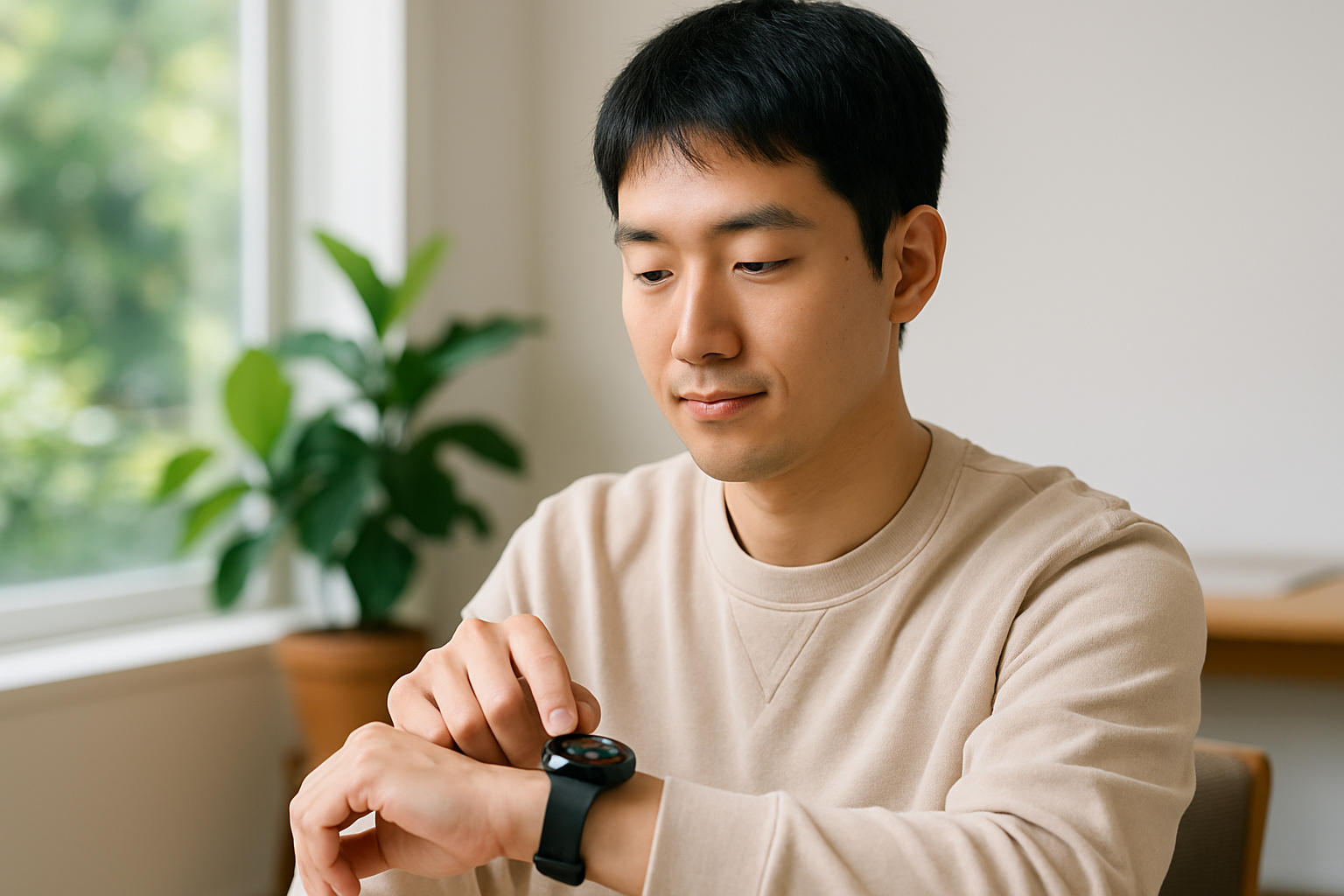
A smartwatch is an intelligent wristwatch equipped with an operating system (OS) that can sync with a smartphone or run apps independently. While initially serving strictly as a companion device to smartphones, they now encompass various areas such as independent communication, health management, sports tracking, and mobile payments. They have evolved into 'wearable healthcare devices' that record the user's biological rhythms in real-time and provide feedback.
The primary reason users choose smartwatches is convenience. Being able to check notifications, send quick replies, or track workout performance without taking your phone out of your bag or pocket boosts both work efficiency and motivation for health management. Furthermore, their sleek designs have made them valuable fashion items, significantly widening the range of choices.
However, not all products offer the same features. Each manufacturer uses its own proprietary OS, which significantly affects app availability and compatibility. Therefore, when choosing a device, you must first check its compatibility with the smartphone you are currently using. Since many features are often restricted to specific operating system environments, many users regret their purchase if they choose based solely on design.
Before buying a smartwatch, you should clarify your primary purpose for use. Determine whether your goal is simply checking notifications, analyzing high-intensity workout data, or if battery efficiency is your most important factor. Since the types of sensors and hardware specs required depend on these goals, assessing your lifestyle patterns is the first step toward a wise choice.
2. History and Technological Evolution of Smartwatches
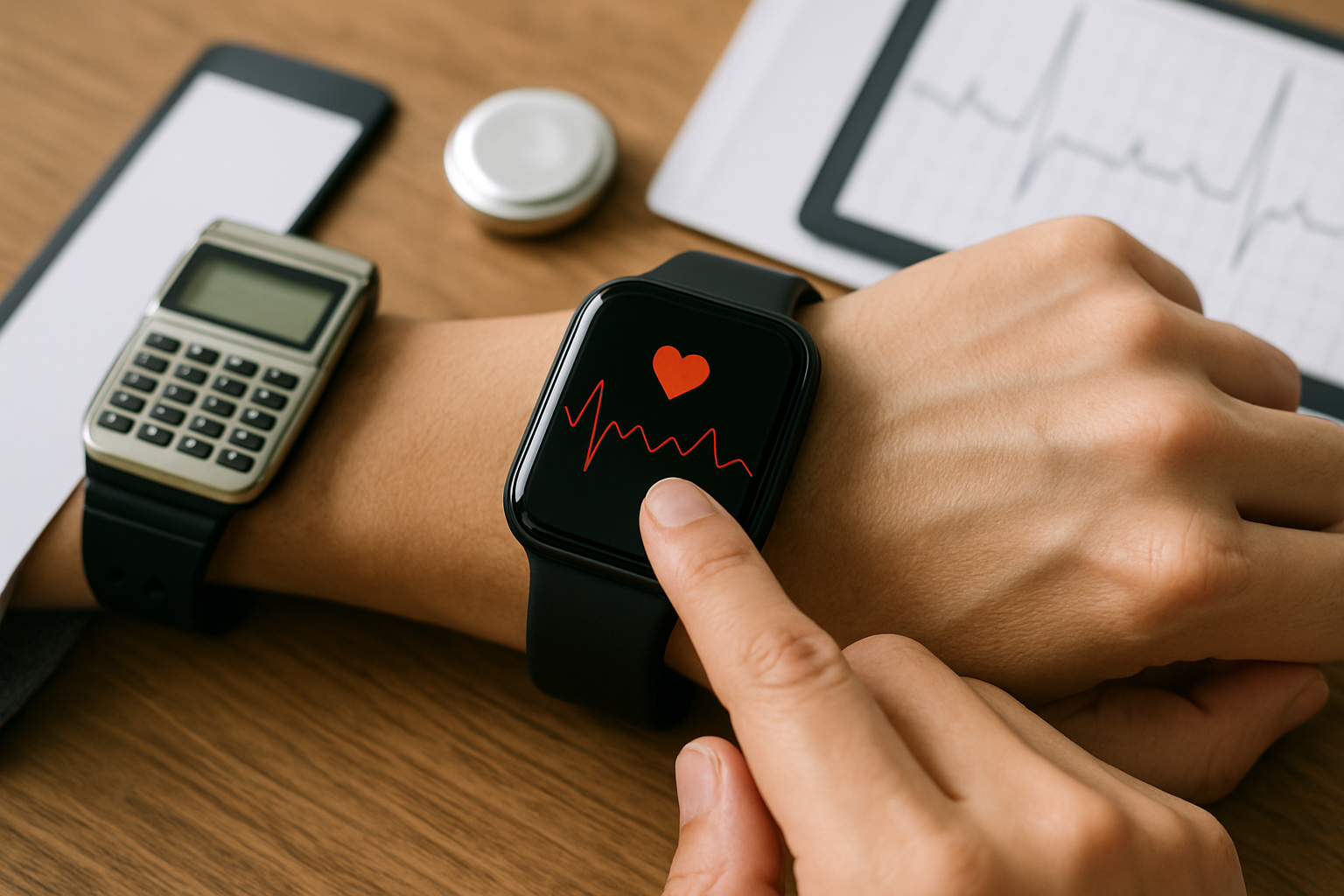
The history of the smartwatch is longer than you might think. Starting with calculator watches in the 1980s, efforts to process data on the wrist gradually led to the mass adoption phase in the 2010s. While early models were shunned by the public due to short battery life and limited functionality, they now possess processing power approaching that of smartphones, thanks to high-performance processors and advancements in display technology.
In particular, the rapid development of sensor technology has changed the identity of smartwatches. Beyond basic heart rate monitoring, products now offer precision comparable to medical devices, including blood oxygen saturation, electrocardiogram (ECG), body composition analysis, and skin temperature measurement. These technologies help users objectively understand their physical condition and detect signs of illness early. Of course, it must be noted that this data is for reference only and cannot replace medical diagnosis.
Another pillar of technological evolution is communication methods. While early models relied on Bluetooth connections to smartphones, many current models feature eSIMs, allowing for independent calls and data communication without a phone. This is very useful in environments where carrying a smartphone is difficult, such as jogging or swimming. However, since adding communication features significantly increases battery consumption, it is important to choose a communication method that fits your activity range.
3. Analysis of Key Smartwatch Features
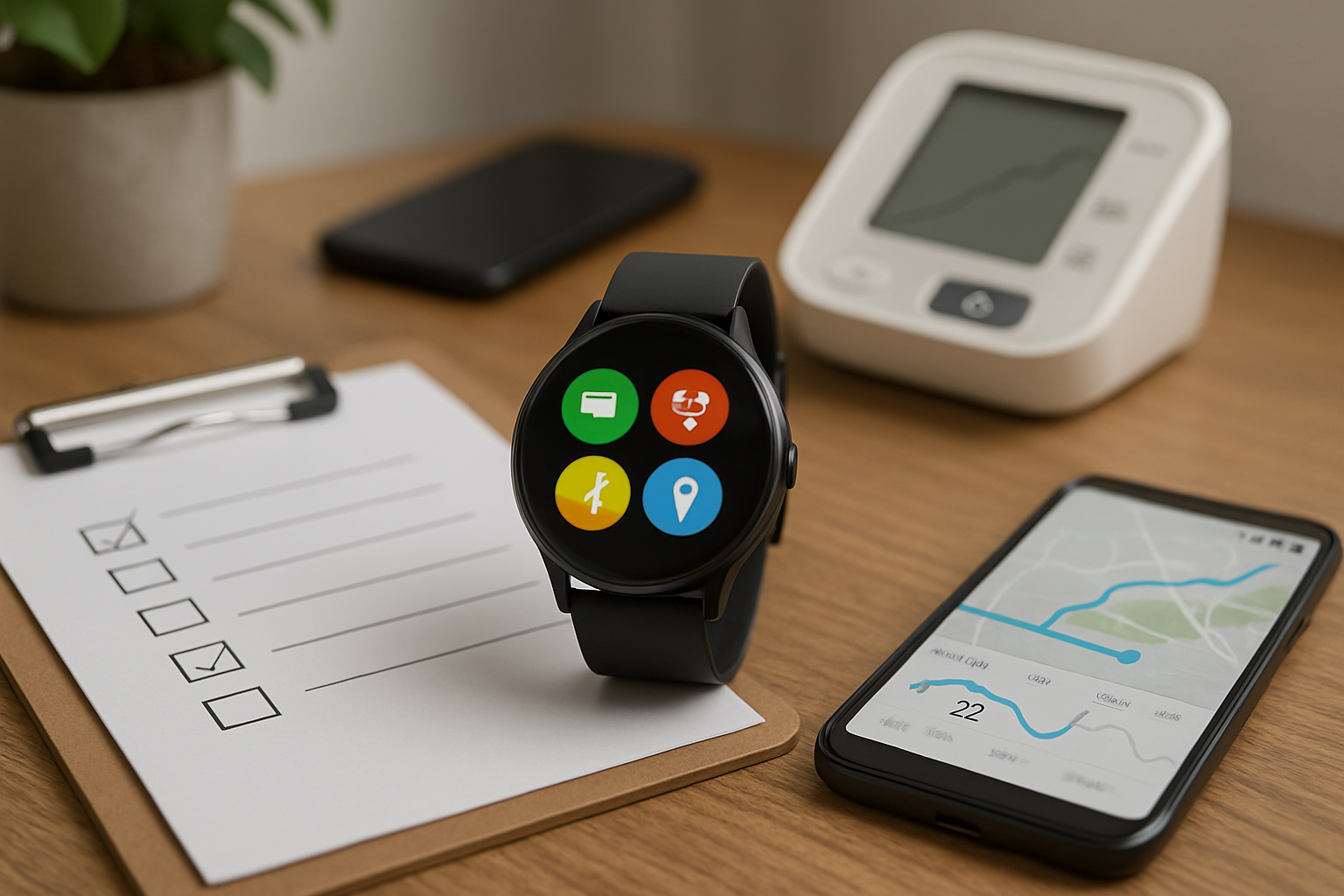
The core functions of a smartwatch can be categorized into notification syncing, health management, activity tracking, and convenience features. Notification syncing is the most basic yet highly satisfying feature, allowing you to check and respond to messenger messages, emails, and schedules instantly from your wrist. This reduces smartphone usage frequency, contributing to digital detox.
Health management is the highlight of modern smartwatches. Beyond 24-hour heart rate monitoring, they analyze sleep quality, measuring deep sleep, light sleep, and REM sleep duration. They also include safety features like stress level measurement with breathing guides or automatic location transmission to emergency contacts upon detecting a fall. These safety features are particularly appealing to the elderly or users requiring health monitoring.
Activity tracking is essential for fitness enthusiasts. Models with built-in GPS accurately record routes during running or cycling, and analyze swimming strokes and lap times. By checking pace and heart rate in real-time during workouts, users can set goals and maximize efficiency. Users can systematically manage this data through dedicated apps to record and share their achievements.
4. Smartphone Integration and Compatibility
The most important consideration when choosing a smartwatch is compatibility. Many smartwatches from specific manufacturers only offer 100% functionality when paired with their own brand of smartphones. For example, some brands restrict key features like ECG or blood pressure monitoring so they only activate when connected to their own smartphones.
Bluetooth connection is the most common form of integration, exchanging data with the smartphone in real-time to deliver notifications. Since older Bluetooth versions may cause connection drops or slow data transfer, it is advantageous to choose a device with the latest version. Additionally, models with Wi-Fi connectivity are highly useful as they can receive notifications via the cloud even when the smartphone is far away.
When evaluating integration, consider the quality of the dedicated application. Check if data visualization is intuitive and if workout records can be synced with other apps (e.g., Strava, MyFitnessPal). Even if the device itself performs well, poor app usability will eventually lead to less frequent use. Checking app reviews from the manufacturer in the app store before purchasing is a good practice.
5. Various Forms and Design Elements
As a wearable accessory, design is a crucial factor for smartwatches. They are broadly divided into square and circular designs, each with distinct pros and cons. Square designs offer high information delivery efficiency. They are optimized for reading text, and the screen utilization allows for a much more intuitive UI layout.
On the other hand, circular designs inherit the aesthetics of traditional watches. They are familiar to users who prefer analog watches and blend well with any attire, from formal to casual. Recently, products that maximize physical tactile feedback by introducing a rotating bezel have also gained popularity.
Materials are also a selection criterion. Aluminum is lightweight and suitable for exercise, while stainless steel offers durability and a premium feel. Titanium is popular among outdoor enthusiasts for being both lightweight and highly durable. Since straps can be swapped between silicone, leather, metal, and other materials to change the look, choosing a model with good strap compatibility is practical.
6. Key Checklist Before Purchase
When buying a smartwatch, you must check these five items. First, OS compatibility: ensure it is perfectly compatible with your smartphone's operating system. Second, battery life: if charging once a day is a hassle, choose a model with high battery efficiency. Third, water resistance and durability: if you plan to wear it while swimming or showering, check for at least a 5ATM water resistance rating.
Fourth, display readability: if you spend a lot of time outdoors, choose a product with high peak brightness so the screen remains visible under direct sunlight. Fifth, long-term software update support: since software performance determines the lifespan of a smartwatch, it is important to check how long the manufacturer guarantees updates.
Finally, when considering second-hand purchases or budget models, be skeptical of sensor accuracy. Unverified low-cost products often provide inaccurate heart rate or GPS data. If health management is your goal, we recommend choosing a verified model from a well-known brand.
7. Understanding Popular Manufacturers and Product Lines
The market is currently led by major manufacturers like Apple, Samsung, and Garmin. The Apple Watch boasts perfect ecosystem integration with iOS and the richest app ecosystem. The Samsung Galaxy Watch is optimized for Android users and excels with various health sensors and an intuitive UI. Garmin provides professional data analysis and overwhelming battery life for fitness enthusiasts.
Beyond these, budget-focused manufacturers like Xiaomi are popular among beginners for providing basic functions at an affordable price. A high-priced product is not necessarily better. Your selection criteria should change entirely based on whether your purpose is 'health data analysis' or 'smartphone notification checking.' For example, a marathon runner would be much more satisfied with a sports-specialized Garmin model than a general-purpose smartwatch.
When choosing a product, carefully compare the specification sheets on the official website. The key is to confirm that the highlighted features match what you need. Rather than blindly following popular models, simply identifying the target audience the manufacturer is emphasizing can significantly reduce the chance of a failed purchase.
8. Precautions and Maintenance Tips
Proper maintenance is required to use a smartwatch for a long time. First, be aware of skin irritation. After workouts where sweat accumulates, be sure to wipe and dry the strap; if you have sensitive skin, silicone or nylon straps are better than leather.
Display care is also essential. Attaching a protective film or tempered glass can prevent scratches. Also, when not in use for a long period, turn off the device with the battery charged to about 50% to prevent degradation. Be careful, as lithium-ion batteries can suffer fatal damage if left fully discharged for a long time.
Finally, pay attention to security. Smartwatches collect user location and health data. Therefore, check if remote locking or data wiping is possible in case of loss, and set a device passcode to protect your personal information. Also, avoid installing apps from untrusted sources.
9. Conclusion and Future Outlook
Smartwatches have now become a part of our lives. Technology will become more sophisticated, and innovative features like continuous blood glucose or blood pressure monitoring are expected to become commonplace. Furthermore, through integration with Artificial Intelligence (AI), they will evolve into personal assistants that go beyond simply displaying data to analyzing the user's condition and offering proactive suggestions.
If you are wondering if you need a smartwatch right now, count how many times you check your smartphone in your daily life. If you are checking your phone too often due to notifications, a smartwatch will be a great tool to make your time much more efficient. Based on this guide, choose a product with the features you need to enjoy a smarter and healthier daily life.
We emphasize once again that health-related data measurement features are for reference only, and accurate diagnosis must be made in consultation with medical professionals. Please consider your lifestyle and budget sufficiently when choosing a device to make a rational purchase.
Frequently Asked Questions
What is the biggest difference between a smartwatch and a regular watch?
A smartwatch is an intelligent device equipped with an OS that allows for app installation, smartphone notification checks, health data collection and analysis, and calls. In contrast, a regular watch is a product focused on its primary function of telling time.
What should I consider first when choosing a smartwatch?
Compatibility with your smartphone. If you use an Apple device, an Apple Watch is best; if you use an Android device, a Galaxy Watch or a compatible third-party brand is recommended.
How accurate is the health data measured by a smartwatch?
While the sensors in modern smartwatches show high accuracy, they are not medical devices. Therefore, measured values should only be used as reference material for health management, and if you have abnormal symptoms, you must seek medical attention from a professional.
Are there ways to extend battery life?
You can reduce battery consumption by lowering screen brightness and disabling GPS or Always-On Display (AOD) features. Turning off notifications for unused apps also helps.
Are smartwatches waterproof?
Most smartwatches have at least basic water resistance. However, since the water resistance rating (ATM) varies by product, if you plan to use it in water such as a pool or the ocean, be sure to check the water resistance rating in the product's detailed specifications.